







Introduction:In recent years, %Arabica has successively closed flagship stores in cities such as Xiamen and Shenzhen, sparking discussions among consumers about the brand’s future direction. In some of the closed locations, the brand has continued service through mobile coffee trucks — a flexible model that raises the question: can it maintain the brand’s consistent design aesthetics and experiential appeal? This article delves into the reasons behind the store adjustments and explores the pros and cons of the coffee truck model.
In recent years, the chain coffee brand %Arabica has seen a wave of store closures in multiple cities, particularly in first-tier and emerging first-tier cities such as Xiamen and Shenzhen. Popular locations, including the brand’s first stores in these areas, have shut down one after another, quickly becoming a hot topic within the coffee enthusiast community. This wave of closures has caught many long-time customers off guard and sparked widespread speculation about potential shifts in the brand’s business strategy.
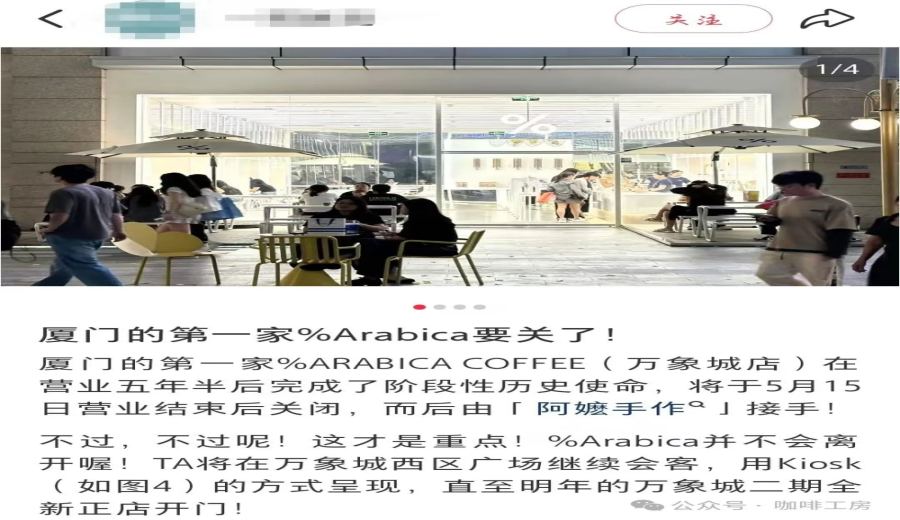
Taking Xiamen as an example, the brand’s first store, located in The Mixc mall, had been a key gathering spot for local coffee lovers since its opening at the end of 2019. After operating for nearly five and a half years, it officially closed on May 15 of this year. The store was not only the brand’s flagship presence in Xiamen but also boasted meticulously designed interiors that attracted many customers specifically for photo opportunities. Similarly, the Bao’an Airport store and the Galaxy Cocopark store in Shenzhen also announced closures around the same time, with the latter often bustling with patrons — its abrupt shutdown leaving many fans puzzled.
Regarding this wave of closures, %Arabica has yet to publicly disclose specific reasons, but numerous analyses and speculations have emerged online. Some observers suggest that factors could include mall redevelopment plans, continuously rising rents and labor costs, or underperformance of individual stores. Particularly against the backdrop of broader challenges facing the retail and F&B sectors, even a brand like %Arabica — which enjoys a degree of recognition and customer loyalty — cannot avoid confronting real operational pressures.
Notably, in some areas where physical stores were previously located, %Arabica has opted to continue serving local customers via mobile coffee trucks. For instance, at The Mixc Plaza in Xiamen, a brand coffee truck is stationed, and there are reports that the brand may reopen a physical store nearby next year. Additionally, the brand’s first store in Fuzhou also debuted as a coffee truck rather than entering a prominent local shopping mall. Similar cases have occurred in cities like Kunming, where flagship stores along the street were closed and replaced by coffee trucks.
This shift toward a coffee truck model has been interpreted by some industry insiders as the brand’s attempt to align with modern consumers’ preference for “quick purchase, buy-and-go” services, while also helping to control operational costs — especially in high-rent prime commercial areas. The coffee truck model offers high flexibility, allowing for quick adjustments in service locations based on foot traffic and site efficiency, making it appealing for brands aiming to expand coverage while constrained by the costs of fixed storefronts.
However, this transition has also drawn sighs and discussions from many loyal customers. Many believe that %Arabica’s ability to stand out in the fiercely competitive coffee market has been significantly attributed to its highly designed and brand-consistent stores. These outlets were not merely places to buy coffee, but also experiential spaces where customers lingered, took photos, and shared moments, often drawn in by the minimalist aesthetic. While switching to smaller coffee trucks may offer advantages in operational flexibility and cost control, there are concerns that the brand’s unique spatial experience and visual identity might be diluted.
From a brand management perspective, %Arabica’s move may represent a strategic adjustment in response to changing market conditions. Through the coffee truck model, the brand can maintain a certain level of visibility and service while effectively reducing the pressure of fixed costs — especially in areas with high rents but stable foot traffic. However, how to pursue operational efficiency without sacrificing the brand’s consistently emphasized design aesthetics and customer experience will be a critical ongoing challenge for %Arabica.
For consumers, whether through physical stores or coffee trucks, what matters most is the ability to consistently deliver high-quality products and services. Currently, the product selection and quality offered by %Arabica’s coffee trucks remain aligned with the brand’s established standards, though the overall ambiance and immersive brand experience inevitably differ from those of dedicated storefronts.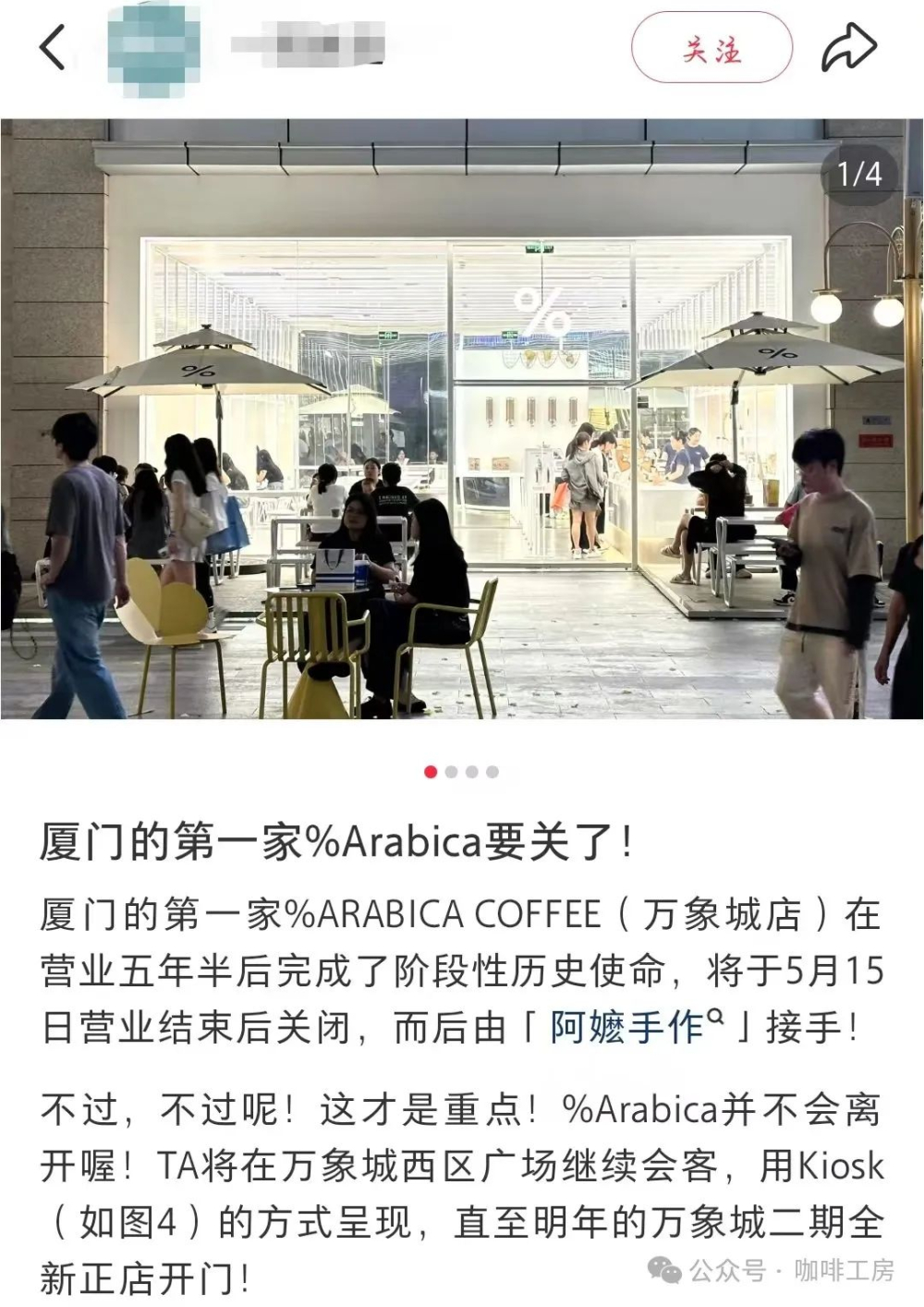 Whether the brand can strike a balance between cost control and customer experience in the future may well determine its long-term positioning and development direction within the global coffee market.
The above content is compiled by CoffeeHunters, a coffee news website.


