







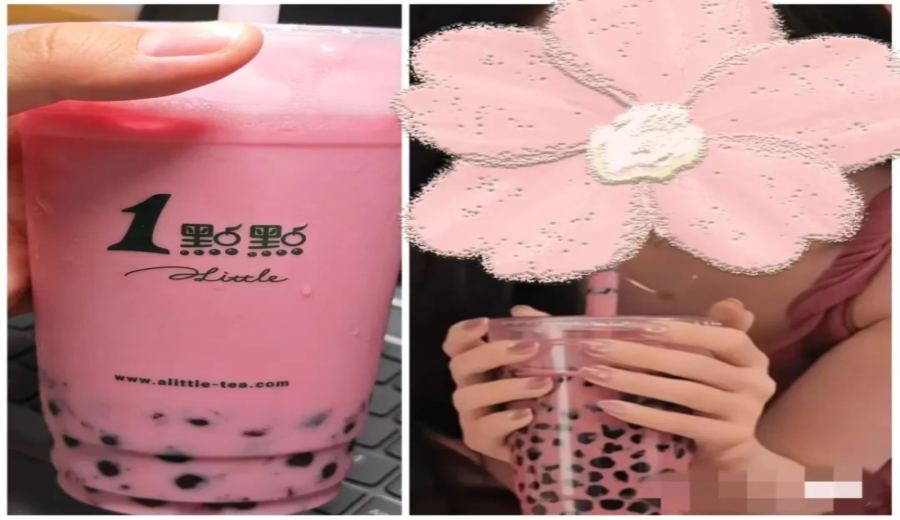
Introduction:The cranberry milk green tea from 1-Point, with its appearance strikingly similar to a beverage endorsed by a certain female celebrity, once became a popular check-in choice on social media platforms. However, beyond its eye-catching looks, this pink-hued milk tea has sparked polarized reviews due to its sweetness level and jam-like texture. This article takes an in-depth look at its recipe composition, common feedback, and practical drinking suggestions, helping readers understand why the same drink can be cherished by some and disappointingly discarded by others.
In recent years, pastel-colored beverages have taken the market by storm. Among them, 1-Point’s cranberry milk green tea, with its vivid pink color and visual resemblance to an advertisement featuring a well-known female celebrity, quickly became a must-order item for social media photo ops. Many consumers flocked to stores just to recreate images similar to their idols, leading to temporary sell-outs of the drink.
This cranberry milk green tea is made with a milk green tea base blended with cranberry fruit jam. Customers can customize it by adding extra toppings such as tapioca pearls or coconut jelly according to taste. Its overall appearance shows no significant difference from regular milk tea, but its eye-catching pink hue successfully attracts a younger demographic that values “looks as justice.”
However, as the hype faded, real drinking experiences sparked considerable controversy. Many consumers shared on social media that the drink was “overly sweet and cloying,” with some even describing its flavor as resembling “Isatis root mixed with cough syrup.” The intense sweetness was so overwhelming that it caused chest discomfort, requiring dilution with water before it could be consumed.
Additionally, some customers reported finding undissolved cranberry fruit jam residue sticking to the inner walls of the cup. These remnants not only had a noticeable grainy texture but also exhibited high acidity, creating a jarring contrast with the overall sweetness and disrupting the drink’s flavor balance.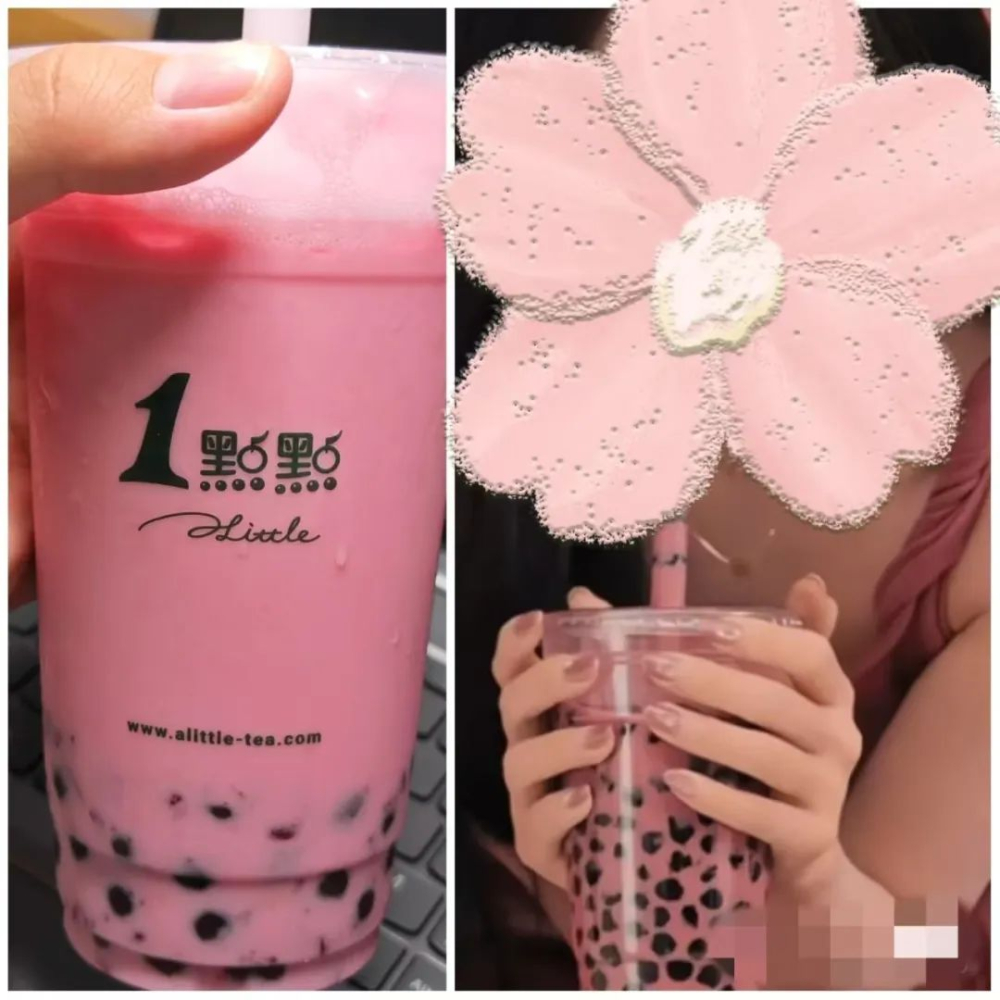
More notably, some customers who used A2 fresh milk as a substitute for the default milk reported a chemical reaction between the proteins in the dairy and the acidic components of the cranberry jam. This resulted in flocculent sediment, raising concerns about the drink’s hygiene and quality, and further reducing the desire to consume it.
However, for loyal 1-Point customers, this cranberry milk green tea is nothing new. Long before becoming a viral drink, it was already a go-to choice for those who enjoy a sweet-and-sour flavor profile—especially customers who appreciate the blend of fruit tea and milk tea. Therefore, when the drink reappeared on the menu, many returning customers welcomed it back, believing its unique sweet-sour ratio gave it replay value.
Taking overall market feedback into account, if you want to better enjoy the cranberry milk green tea, first-time tasters are advised to opt for half sugar or three-quarters sugar to reduce the impact of sweetness on the overall flavor. Also, avoid using high-protein alternative milks to prevent adverse chemical reactions. Additionally, it’s recommended to give the drink a gentle stir upon receiving it to ensure the jam is evenly distributed, which helps improve overall flavor consistency.
In summary, market reactions to the cranberry milk green tea show a clear divide among consumer groups. For those seeking a visually appealing drink for check-ins, it remains attractive. But if flavor is your top priority, it’s advisable to understand your own taste preferences before deciding to try it. After all, whether a drink receives positive feedback often depends on the gap between expectations and actual experience.
The above content is compiled by CoffeeHunters, a coffee news website.


