







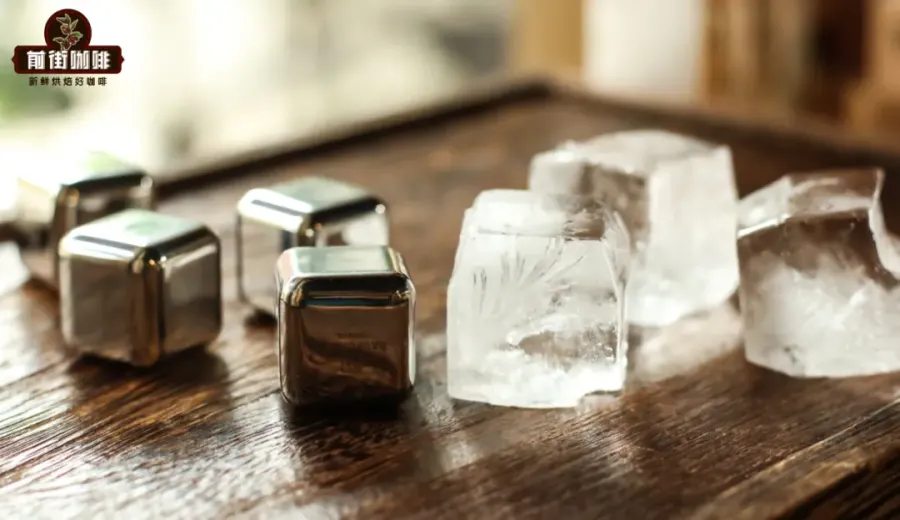
Introduction:In the summer, do you want to enjoy iced pour over but worry that the flavor will be diluted? Many coffee enthusiasts switch to using stainless steel ice cubes to cool their drinks, believing this can preserve both full flavor and a cool drinking experience. However, practical test results show that although stainless steel ice cubes can maintain coffee concentration, they are significantly inferior to traditional ice cubes in cooling speed and final taste. This article compares the two through experiments, analyzing their differences in temperature change, flavor performance, and practicality to help you find the most suitable iced pour over solution for yourself.
During the peak of summer, many coffee lovers crave a refreshing iced pour over, yet fear that melting ice cubes will dilute the delicate flavors of the coffee. Someone came up with a bright idea: why not use stainless steel ice cubes instead? This way, you can maintain a rich coffee taste while still enjoying a cool sensation—it seems like the perfect solution.
Stainless steel ice cubes are typically made from 304 or 316 stainless steel and are filled with a colorless cooling liquid made of water, alcohol, or glycerin. Once frozen and placed in a beverage, they can lower the drink's temperature by utilizing the temperature difference of the cooling liquid, and unlike regular ice cubes, they don't melt—so theoretically, they won’t dilute your drink.
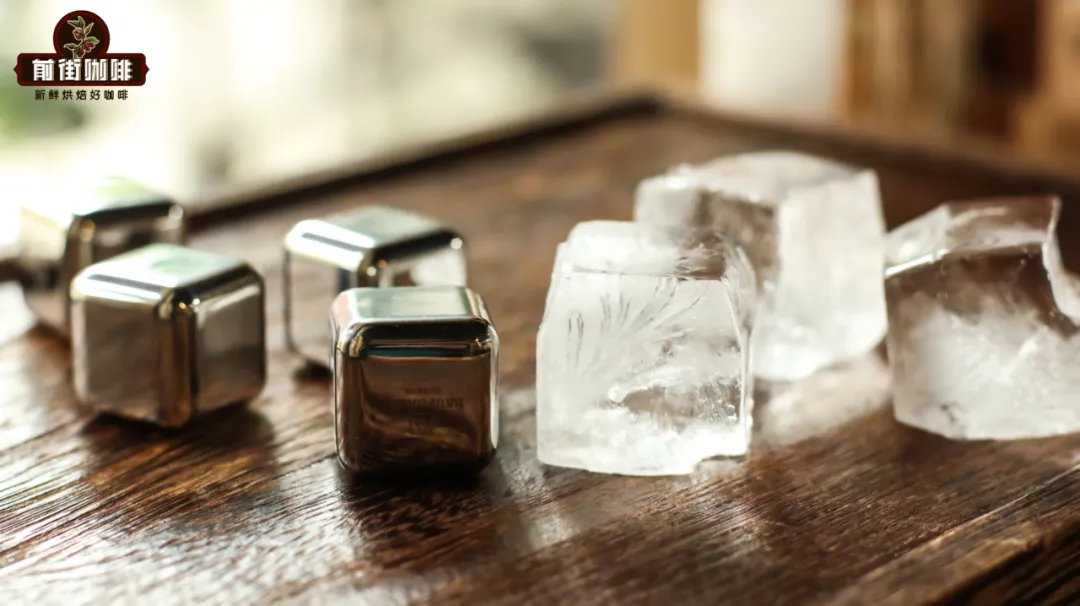
However, after conducting a series of comparative experiments, it was found that while stainless steel ice cubes can retain the original concentration of the coffee to some extent, they still struggle to outperform traditional ice cubes in terms of cooling efficiency and overall taste. Below, we’ll detail the practical differences between the two, analyzing parameters, temperature changes, and flavor profiles to help you make a smarter choice.
In this experiment, we prepared iced coffee using two methods: "Regular Iced Pour Over" and "Hot Pour Over Cooled with Stainless Steel Ice Cubes," while strictly controlling variables to ensure the comparison is meaningful. Both groups used Panamanian Boquete Geisha coffee beans, with a coffee dose of 15 grams each, and employed the V60 dripper for a three-stage extraction.
The parameters for the Regular Iced Pour Over were as follows: grind size set to 9.5 on the Ek43 grinder, a brew ratio of 1:10 (total water volume 150 ml), and a water temperature maintained at 92°C. The experimental group, "Hot Pour Over Cooled with Stainless Steel Ice Cubes," adjusted the grind size to 10 on the Ek43, expanded the brew ratio to 1:15 (total water volume 225 ml), and also used a 92°C water temperature for a three-stage extraction.
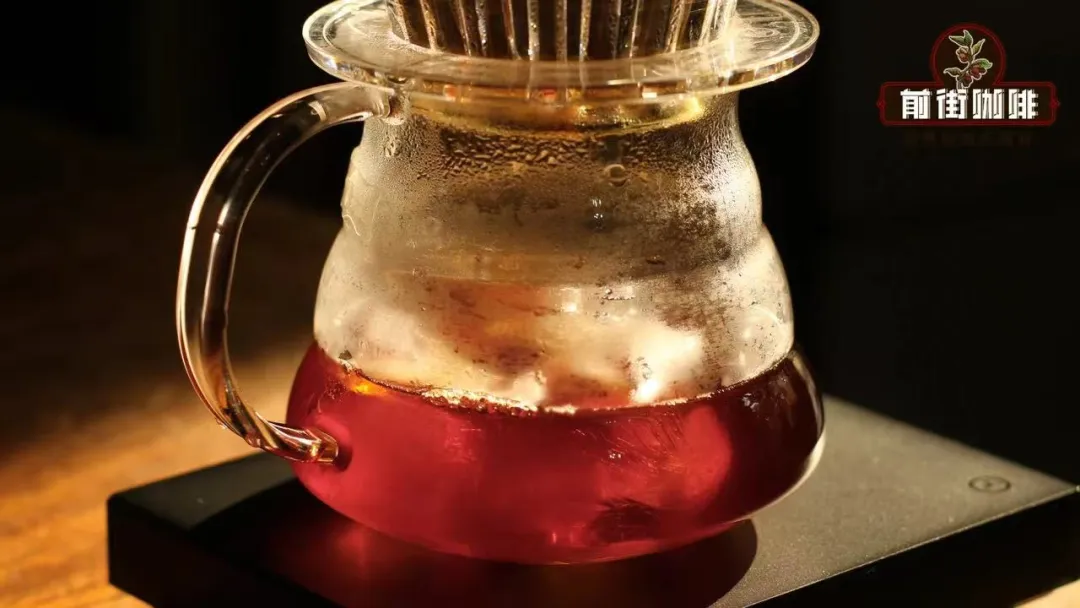
The biggest difference lay in the cooling method: the Regular Iced Pour Over directly added 120 grams (about 4 cubes) of regular ice cubes, whereas the experimental group, after completing the hot pour over, added 6 stainless steel ice beads for cooling. Both coffees were stirred evenly after extraction, and the final temperatures were measured with a thermometer.

The test results showed that the iced pour over using regular ice cubes reached a final temperature of about 6°C, while the experimental group with stainless steel ice cubes ended at 16°C. Although the difference is only 10°C, the actual drinking experience varies significantly. The Regular Iced Pour Over felt noticeably cooler, with flavors showcasing citrus, white floral notes, and green tea layers. In contrast, the stainless steel ice cube group had a more concentrated flavor with a noticeable aftertaste, but the overall temperature was higher, offering only a faint coolness upon drinking—more akin to a lukewarm Americano.
Additionally, the cooling speed of stainless steel ice cubes was significantly slower. During the experiment, it was observed that reducing hot coffee to 16°C using 6 stainless steel ice beads required a longer stirring time compared to regular ice cubes. This is because stainless steel ice cubes do not undergo a phase change from solid to liquid; they mainly rely on the slow heat absorption of the internal cooling liquid, which is naturally less efficient than the rapid temperature drop caused by the quick melting of a large number of ice cubes.
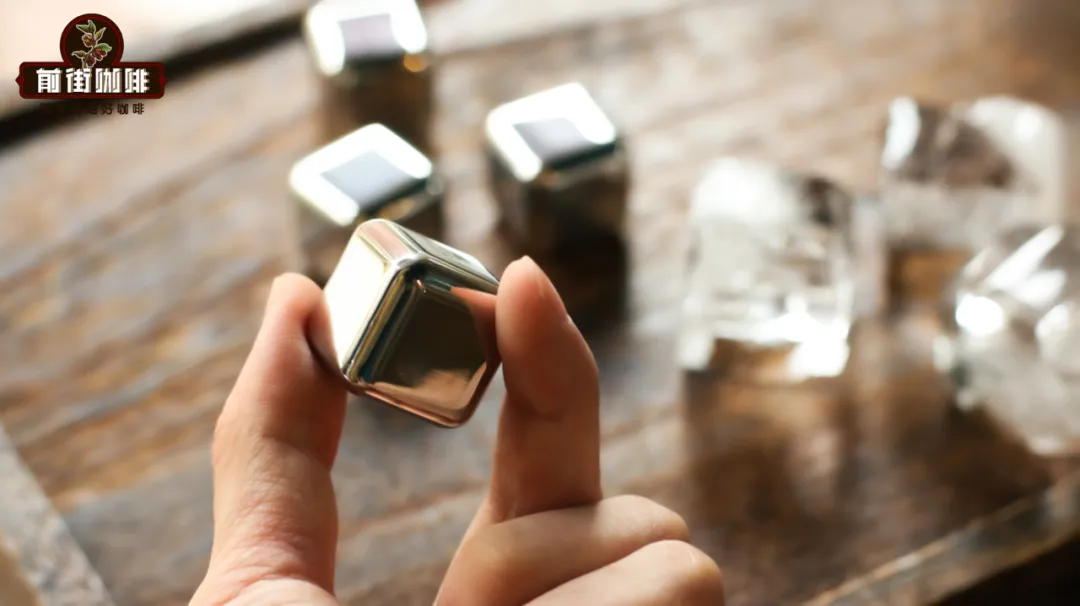
It’s worth noting that stainless steel ice cubes are fundamentally designed for "keeping things cold" rather than for "rapid cooling." They are suitable for maintaining a low temperature over an extended period, but if you expect them to quickly chill your drink like regular ice cubes, you might be disappointed—especially when added after the hot pour over process, the cooling effect is even more limited.
If you really want to improve the cooling performance of stainless steel ice cubes, theoretically you could increase their quantity to gain an edge in volume. But in practice, the improvement is limited, and it also increases cost and operational complexity. Moreover, be especially careful when stirring—stainless steel ice cubes have hard outer shells, and vigorous stirring in a glass cup could risk breaking it. It’s recommended to stir gently to avoid accidents.

In summary, stainless steel ice cubes do offer certain advantages in iced pour over applications, such as preserving the original coffee concentration, making them suitable for those who prioritize full flavor integrity. But if you also value a cool drinking feel and practicality, traditional ice cubes remain the more reliable and effective choice. Stainless steel ice cubes are better suited for scenarios requiring gradual cooling and long-term temperature maintenance, rather than seeking rapid chilling in iced pour over.
You can’t have your cake and eat it too—the final choice depends on personal preference. If you don’t mind spending a bit more time and effort, and can accept a slightly higher temperature and marginally inferior taste, you might want to try stainless steel ice cubes. But if you hope to easily enjoy an iced pour over that balances both flavor and temperature, traditional ice cubes are still the top choice.
No matter which method you choose, remember to adjust your grind size, brew ratio, and water temperature according to your own taste preferences to extract the coffee flavor you’re expecting. As for stainless steel ice cubes, be sure to stir gently when using them, so you can safely enjoy every sip of your iced coffee.




The above content is compiled by CoffeeHunters, a coffee news website.


