







Introduction:Recently, Luckin Coffee stores have sparked controversy after customers were seen doing makeup and hairstyling inside the shops. The strong smell of hair spray made other consumers uncomfortable and also raised food safety concerns about open beverage preparation areas. This article delves into the underlying issues behind this phenomenon and analyzes common management challenges in chain beverage shops, helping readers understand how to enjoy coffee while maintaining a good consumption environment.
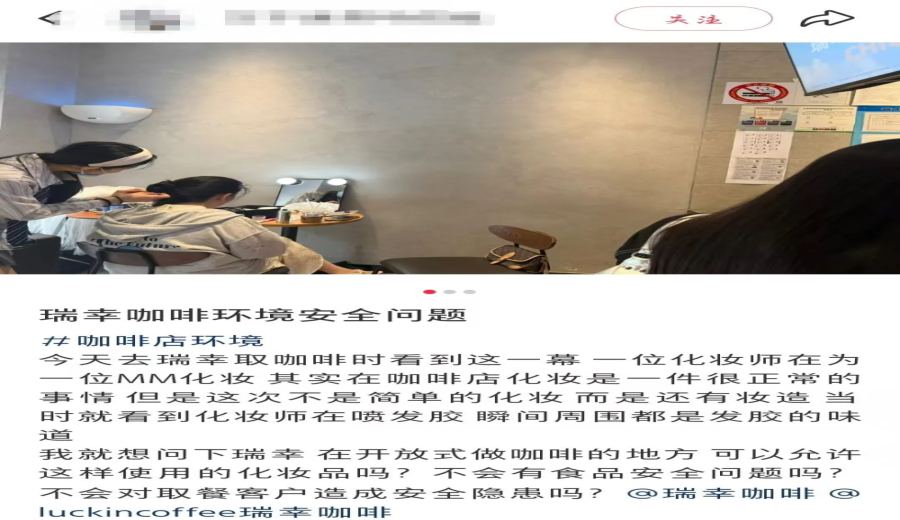
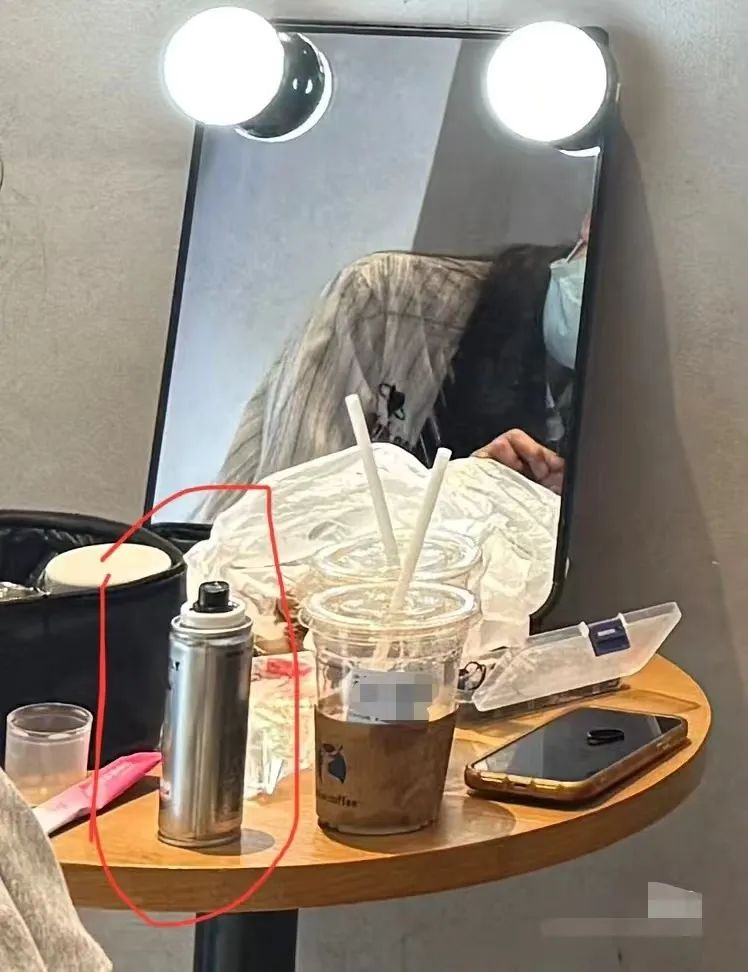
Recently, members of the public shared on social media what they witnessed at a Luckin Coffee store: a makeup artist was doing makeup and hairstyling for a customer, using hair spray, which filled the entire store with a strong odor. This has caused many consumers to worry about beverage hygiene and the dining environment, sparking discussions on whether such behavior is appropriate and how stores should manage it.
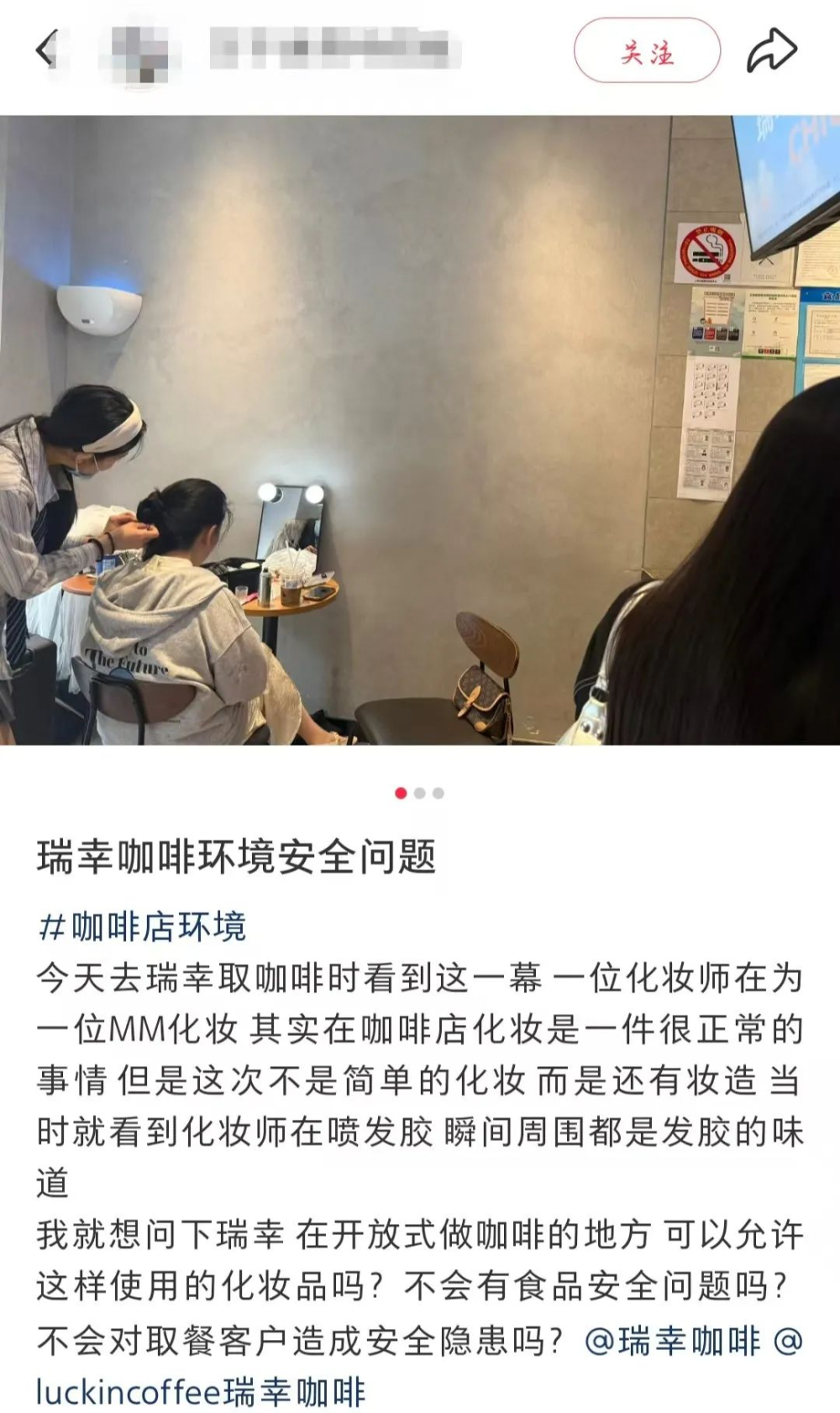
The poster mentioned that when picking up her order, she was shocked to find the air inside the store filled with the smell of hair spray. Not only was it unpleasant, but it also raised questions about whether it could affect the quality and safety of coffee or other beverages. She further publicly asked the brand: “Is it really allowed to use such cosmetics in an open beverage preparation area? Could it pose a threat to food safety? And could it affect other customers picking up their orders?”
The post quickly went viral, with many netizens sharing their own experiences, saying they had seen similar makeup or hairstyling scenes in well-known chain beverage shops such as Starbucks, Peet’s Coffee, HEYTEA, and even Mixue. Such incidents are especially common near stores located by large exhibitions or concert venues. While many have become accustomed to it, even more people are displeased with the phenomenon.
Consumers who advocate for a clean environment pointed out that in coffee shops designed with open kitchens or counters, all preparation processes are visible, originally intended to let customers understand the professionalism and transparency of beverage making. However, once customers spray hair spray, perfume, or even do full styling inside the store, these volatile chemicals can easily spread through the air and affect nearby beverages, including coffee.Creating potential risks of food contamination..
Some professional consumers even drew an analogy, stating that doing makeup in a dining space may be as disruptive as smoking inside the store—not only possibly disturbing others, but also potentially threatening food hygiene due to odors or chemical residues. They believe store staff have a responsibility to proactively discourage such behavior to maintain a pleasant dining environment and reduce the likelihood of food safety incidents.
However, from the perspective of store employees, the situation is not so straightforward. Most chain brands do not have explicit rules in writing that directly prohibit customers from doing makeup or hairstyling inside the store. As a result, even if employees know such behavior may be inappropriate, they often choose to remain silent when facing customers.Many frontline staff admitted they are afraid that proactively advising customers might lead to dissatisfaction, complaints, or negative reviews, affecting their personal performance, so they would rather “turn a blind eye.”
Industry insiders revealed that unless the brand has clear signage or emphasizes in internal training that such behavior is not allowed, frontline service personnel usually lack sufficient grounds or confidence to intervene actively. In most cases, only when other customers explicitly complain will staff gently remind the related customers, citing reasons such as “affecting others” or “overpowering odor.”
This incident also prompts a re-examination of the boundaries of public space usage in chain coffee and tea shops. Although these shops generally adopt open counter designs to present a professional and approachable consumer experience, the current management mechanisms still have gray areas when it comes to the diversity of customer behavior. How to maintain good customer service while safeguarding the rights and dining quality of the majority of consumers has become an unavoidable issue for the industry.
Experts suggest that in the future, chain brands could consider clearly displaying behavioral guidelines inside stores, such as “Do not use highly volatile cosmetics in dining areas” or “Please be considerate of others and avoid occupying seats for non-dining activities for extended periods.” Through clearer in-store notices or staff training, the management gray areas can be reduced, and the overall quality and sense of security of the consumer experience can be enhanced.
The above content is compiled by CoffeeHunters, a coffee news website.


