







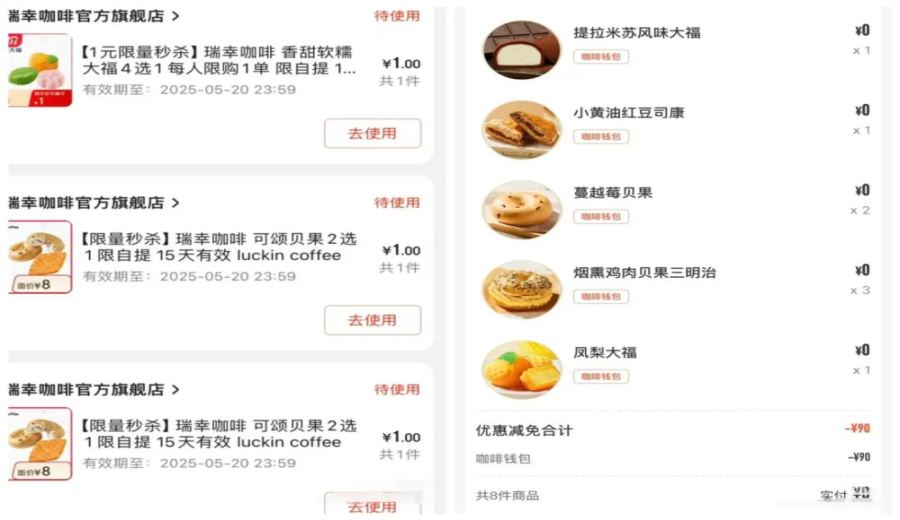
Introduction:As competition among food delivery platforms intensifies, Luckin Coffee’s low-priced bread vouchers have sparked a frenzy of stockpiling among consumers. However, many face the embarrassment of finding stores out of stock when trying to redeem them. This article delves into the causes of this buying spree, dissects the supply chain bottlenecks, and offers practical redemption tips to help coffee enthusiasts avoid pitfalls and enjoy high-value baked treats.
The battle among food delivery platforms has escalated into a three-way showdown between Ele.me, Taobao Flash Sale, and Meituan. A subsidy war lasting over a month has driven the average delivery price of chain restaurant meals to new lows. Amid this price war, Luckin’s limited-time low-cost bread discount vouchers, released via third-party platforms, have become the focal point—after stacking with platform discounts, consumers only need to pay 1 to 2 yuan to redeem baked goods such as bagels and daifuku, originally priced over ten yuan.
After the discount information spread quickly, many budget-conscious customers rushed to stock up, hoarding electronic vouchers in large quantities through the official mini-program and scheduling pickups for several weeks' worth of breakfasts and snacks. Some users even filled their freezers with various Luckin baked goods as daily snack reserves.
However, reports of redemption difficulties have recently surfaced frequently: users have reported that even though they have unexpired electronic vouchers in their accounts, nearby stores generally show baked goods as sold out, especially popular items like bagels. One Xiaohongshu user bluntly stated: “I’ve searched the whole city and can’t find any bagels. What should I do with my soon-to-expire vouchers?”
Further investigation reveals that the redemption challenges mainly stem from two key links:Thawing ProcessandDelivery Cycle. A Luckin insider explained that at the end of each day’s operation, the system estimates the next day’s demand for light meals based on historical sales data, and employees accordingly move frozen bread and pastries to the refrigerated area for thawing. However, this sudden third-party promotion campaign caused inaccurate predictions, resulting in thawed inventory being insufficient to meet the surge in demand.
Notably, the brand stipulates that frozen products cannot be sold directly without thawing, so even if there is stock in the warehouse, staff still cannot provide immediate redemption services.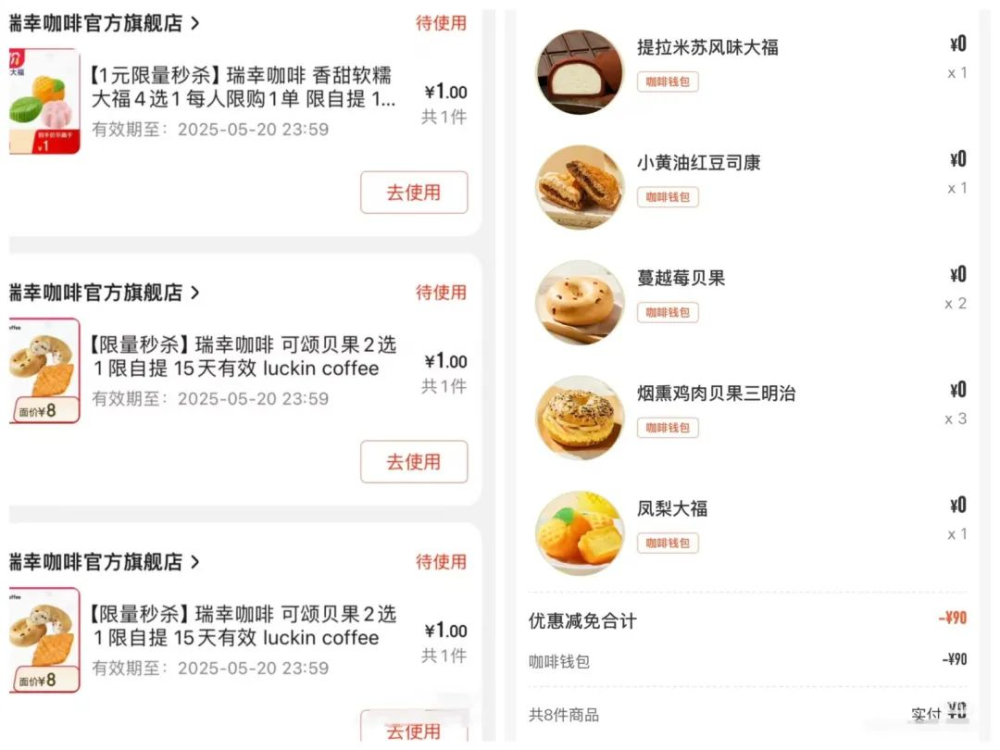 Affected consumers need to wait until the next day to make a new reservation or choose other stores with available stock.
Supply chain challenges are even more severe in second- and third-tier cities. In some regions, due to logistics restrictions, store materials are delivered only once a week. Once the baked goods for the week are sold out, consumers may have to wait until the next replenishment to use their electronic vouchers. This regional disparity makes supply shortages more pronounced in densely populated areas such as Guangdong.
For customers planning to redeem, professional advice: check the real-time inventory of your target store in advance via the mini-program, prioritize placing orders during off-peak hours (such as before 10 a.m. on weekdays), and pay attention to the4-6 hour processing timerequired for product thawing. If you frequently encounter shortages, consider switching to other baked goods with stable supply to ensure your discount benefits aren’t wasted.
This buying spree driven by subsidies not only highlights consumers’ desire for high cost-performance coffee pairings but also reflects the optimization potential for rapidly expanding brands in regional warehousing scheduling and demand forecasting.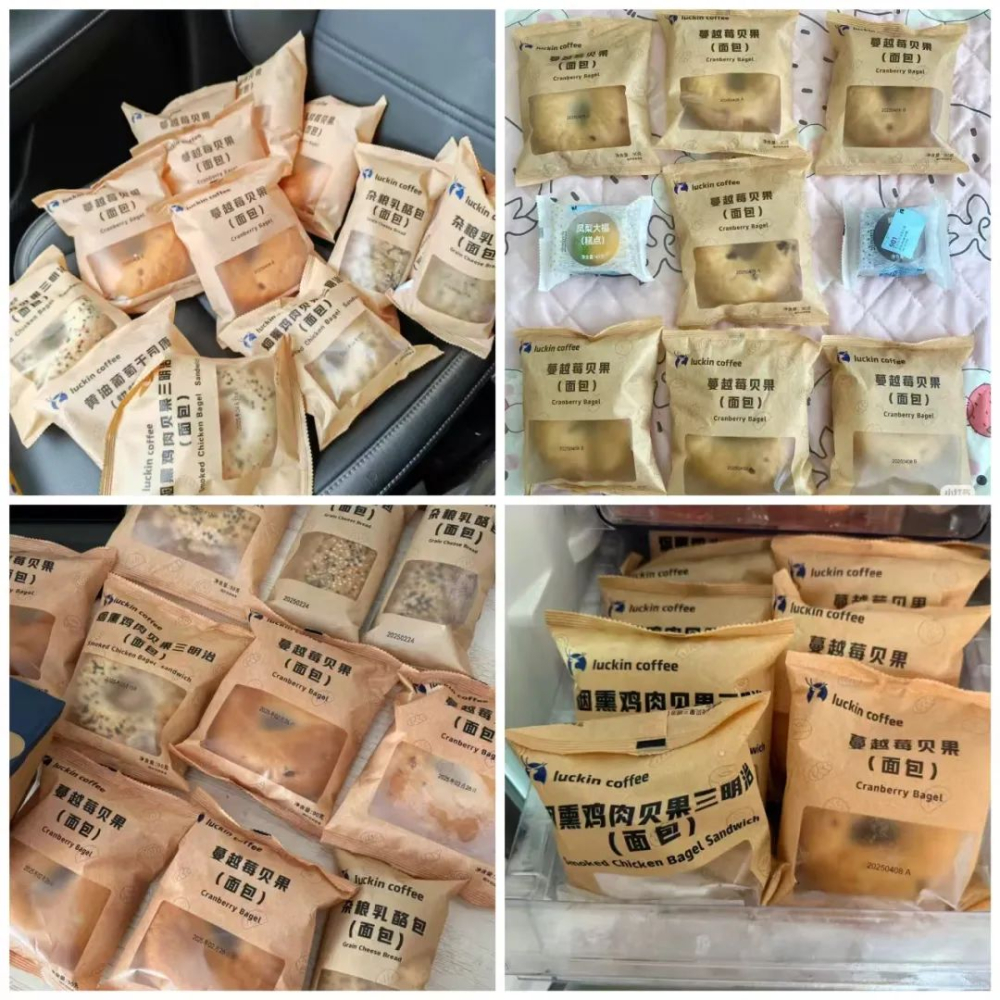
The above content is compiled by CoffeeHunters, a coffee news website.


