







Introduction:Dirty coffee has sparked a trend in the specialty coffee scene with its striking layered appearance and the unique interplay of hot and cold flavors. But do you know how it evolved from the creativity of Japanese baristas into a global favorite? This article delves into the origins and rise of Dirty, explores its popularity, and offers expert tasting tips so you can understand why it’s meant to be sipped boldly—and how to enjoy it best.
In recent years, Dirty coffee has become a signature drink in many specialty cafés. This creative beverage, combining espresso with cold milk, has gained widespread acclaim for its visual layering and the sensory contrast between hot and cold. But do you know where the name “Dirty” originally came from? Why do baristas always urge you to drink it in one go? This article will take you through the origin story of Dirty, trace its journey from a hidden menu item to mainstream fame, and explain the correct way to enjoy it—so you can fully appreciate the unique charm of this layered milk coffee.
For those who love milk-based coffee drinks, the term “Dirty” is certainly no stranger. Even if some cafés don’t list it on their official menu, regulars often order it by name. In fact, Dirty has taken the world by storm and has become a proud signature offering at many shops.
First-time Dirty drinkers often hear baristas urgently advise: “Don’t stir, drink it in one big gulp, and do it quickly!” This advice actually reflects the core experiential logic behind the drink.
Compared to common milk coffee combinations, Dirty quickly carved out a niche in the specialty coffee market with its highly recognizable visual appeal and outstanding flavor profile—often even outselling classic drinks like flat white or cappuccino in sales. What makes Dirty so popular? To truly understand the barista’s drinking advice, we need to start with its origins.
The Origins of Dirty (Dirt Coffee)
According to records, the term “Dirty” first appeared in the coffee world in 2010. A documentary titled “a film about coffee” featured baristas from around the globe. Among them, Katsuyuki Tanaka from Japan introduced his Tokyo café, Bear Pond Espresso, and a unique drink—espresso poured directly over ice-cold milk, listed on the menu as “B.P Dirty.”
The inspiration for Dirty reportedly came from a customer’s feedback: the melting ice in an iced latte significantly alters the overall flavor of the coffee. This prompted Tanaka to experiment. Using his shop’s house blend, he increased the coffee dosage and reduced the extraction yield to brew a bold espresso (he called this bean “Angel Stain,” meaning “angel’s stain”), then combined it with ice-cold milk to create an “ice-free” layered latte.
Initially, B.P Dirty was only available daily at 2 PM, hand-poured by Tanaka himself with a daily limit of twenty cups, so its visibility and popularity remained limited. It wasn’t until 2011, when he officially introduced the concept of “Dirty” in his book *Life is Espresso*, explaining it as the moment espresso is poured into milk—as if “dirtying” the pure milk—that the term began to gain broader recognition.
Although this innovative coffee didn’t achieve mass popularity in Japan, it caught the attention of baristas in Hong Kong and Thailand, who helped spread it to other regions, where it eventually flourished.
The Evolution of Dirty
When Dirty first entered the Chinese-speaking market, it didn’t immediately attract widespread attention, circulating only within small circles of coffee enthusiasts. Some baristas, exploring its preparation methods and flavor profile in their spare time, gradually came to recognize the drink’s potential after personal experience and began recommending it to more customers.
As Dirty’s distinctive flavors gained acceptance, the drink transitioned from a hidden menu item to a staple offering in cafés, becoming commonplace in specialty coffee shops around the world. To meet market demand, baristas continuously refined the recipe—for example, adjusting cup size, upgrading milk quality, using chilled glasses, or even employing single-origin beans—gradually evolving it into the version we know today.
Why Should You Take a Big Sip First?
Unlike traditional milk coffees that aim for a “complete fusion” of coffee and milk, a freshly made Dirty emphasizes their “coexistence in contrast.” Through specific preparation techniques, it allows drinkers to fully experience the visual, tactile, and flavor contrast between espresso and cold milk—from the first sip.
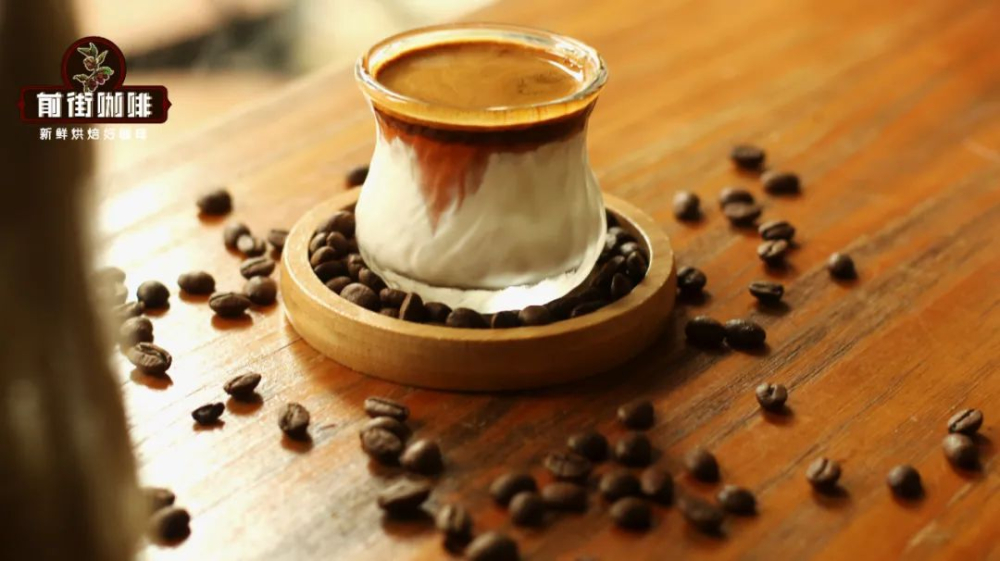
Visually, the dark brown espresso sits atop the pristine white milk, with crema slowly cascading down the cup’s edge, forming a natural gradient from black to white. Tactilely, the steaming-hot espresso clashes with the icy milk, creating a striking temperature contrast that stimulates the senses.
Only by taking that golden first big sip can you experience the explosive collision of hot espresso and cold milk in your mouth—starting with a bold, slightly bitter intensity from the higher coffee ratio, gradually shifting to richness and sweetness, and finally settling into a well-balanced, multi-layered finish with a lingering aftertaste.
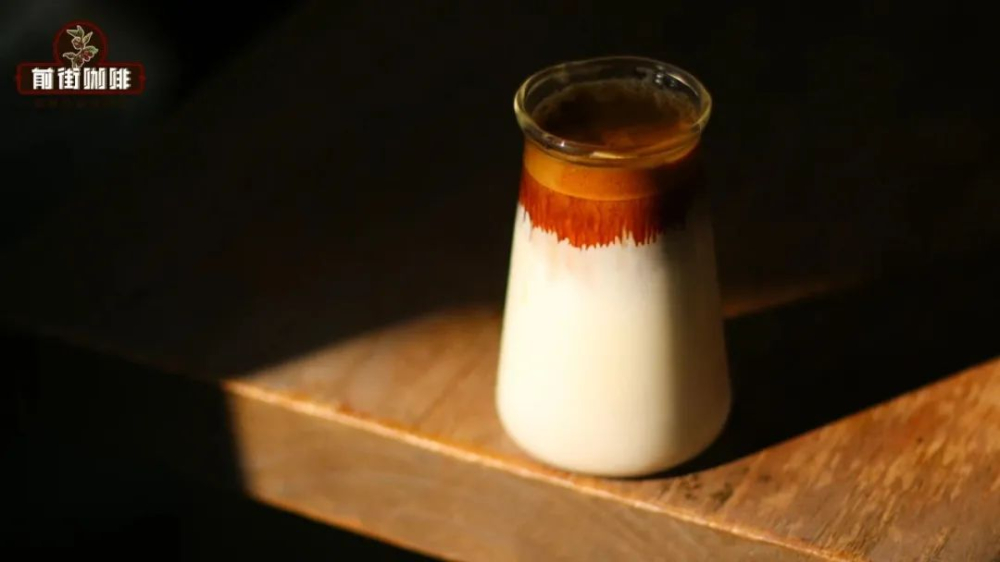
On the other hand, if you sip it slowly from the beginning, you might only taste the heavy crema and intense bitterness of the espresso, with the milk’s flavors taking much longer to emerge. If you drink too slowly, the coffee and milk gradually mix—not only turning the visual presentation into a uniform milky-tea color but also causing the milk to lose its chill, greatly diminishing Dirty’s unique charm.
Therefore, when baristas remind you to “drink it in one big gulp” or “finish it quickly,” they’re not just laying down rules—they want you to seize the optimal flavor window of the drink and experience the full intention behind its design.
The above content is compiled by CoffeeHunters, a coffee news website.


