







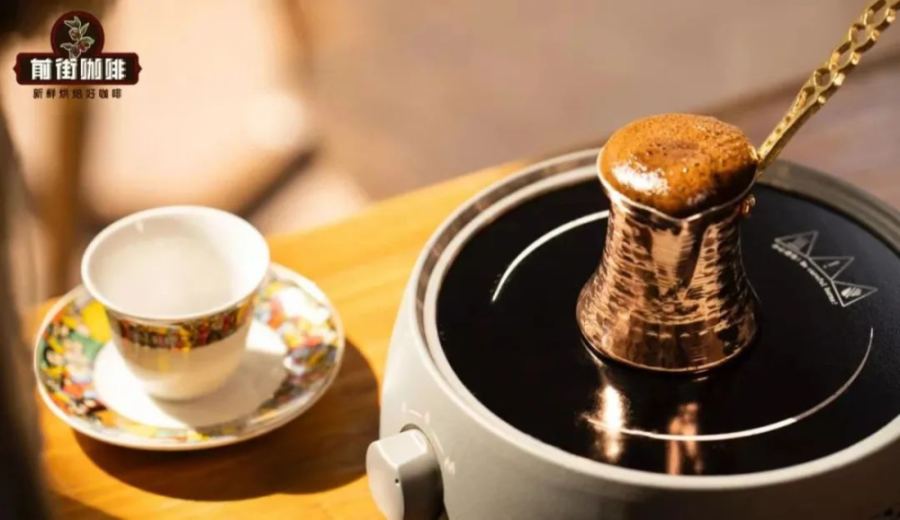
Introduction:Can coffee grounds be directly thrown into a pot to brew? A brand conducted practical tests on three different roast levels of coffee beans to explore the feasibility and key parameters of stovetop coffee brewing. From the rich body of Brazilian Red Bourbon to the floral notes of Peruvian washed Geisha, the team adjusted the coffee-to-water ratio, grind size, and boiling time, observing TDS values and flavor differences to help you master stovetop brewing techniques and avoid over-extraction and off-flavor pitfalls.
Have you ever wondered if coffee grounds can be cooked in a pot just like instant noodles? Driven by this question, a brand carried out a full test of stovetop coffee brewing. This experiment used three coffee beans with different roast levels, including a medium-roasted Brazilian · Red Bourbon, another medium-roasted Brazilian, and a light-roasted Peruvian washed Geisha. By adjusting the coffee-to-water ratio, grind fineness, and boiling time, they recorded the flavor changes, TDS measurements, and overall taste performance of each round, providing practical references for coffee enthusiasts who enjoy trying new brewing methods.
In general culinary terms, “boiling” refers to placing ingredients in water and continuously heating them until they are cooked or their flavors are released. Although coffee is often seen as a beverage, it is actually also an ingredient from which flavors can be extracted using hot water. Most common brewing methods, such as pour over or drip, although referred to as “pouring” or “steeping,” still involve close interaction with hot water. So, what kind of results would we get if we were to “boil” coffee in a way similar to cooking instant noodles?
In the first attempt, the brand chose a widely popular medium-roast bean—Brazilian · Red Bourbon. This coffee often shows flavors of buttery cookies, roasted peanuts, and caramel when brewed with pour over methods, offering a full body suitable for various devices such as moka pots, French presses, and siphon brewers. For this stovetop experiment, to avoid over-extraction under high temperatures (100°C), the grind size was specially adjusted to a coarse salt level, approximately equivalent to setting 12 on an EK43s grinder, or about 60–65% passing through a Chinese No. 20 sieve.
The specific parameters were as follows: 18 grams of coffee grounds, with a coffee-to-water ratio set at 1:18, and an expected brewing time of 1 minute. In practice, 324 grams of room-temperature water was heated to around 96°C, then poured over the coffee grounds, and timing began immediately. After the water boiled, the heat was reduced, and the mixture was gently stirred with a spoon to evenly disperse the coffee grounds. However, due to delays in serving customers in between, the actual boiling time exceeded expectations, and the final cup was tasted after straining through a metal filter.
The measured TDS value for this cup was 1.53%, the appearance was murky, and due to the larger filter pores, some foam residue remained. In terms of flavor, this cup had a heavy mouthfeel, with prominent burnt crust notes, almost no layering, obvious bitterness, and a powdery texture, resulting in an overall poor performance—a clear case of over-extraction.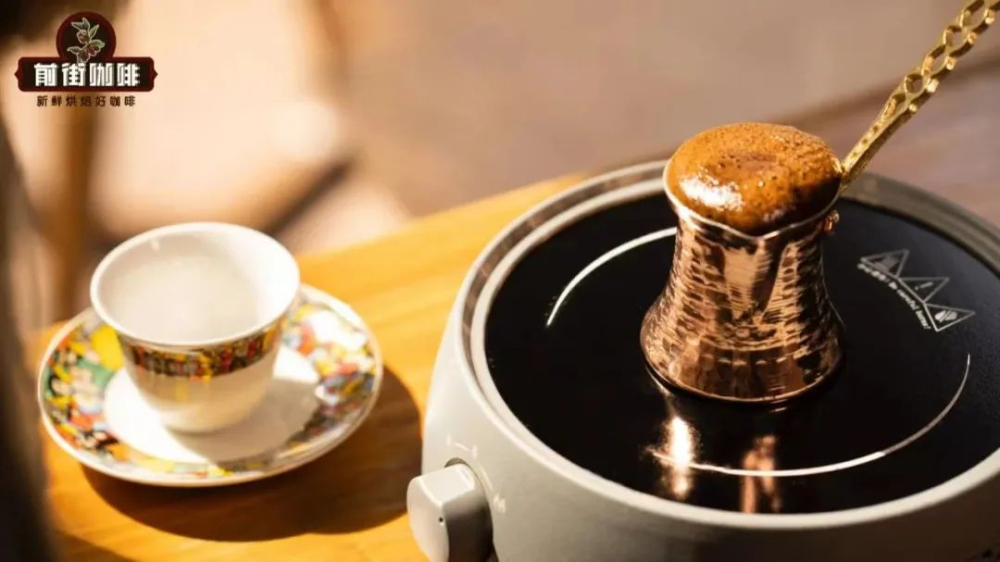
Although the first round failed in terms of flavor, it provided valuable experience. The goal of the second round was to adjust for a richer and more balanced taste. This time, the coffee-to-water ratio was reduced to 1:16, and the boiling time was precisely controlled to within 1 minute, while gently stirring clockwise during boiling to aid flavor release. The grind size remained the same as in the first round, still at EK43s-12. To improve taste clarity, a filter cup with denser non-woven fabric filtration material was used for straining.
The resulting coffee liquid was noticeably clearer this time, with significantly less foam, and the measured TDS was 1.35%. The flavor profile was clear, featuring typical medium-dark roast characteristics such as roasted peanuts, dark chocolate, and cookies, with a rich and solid mouthfeel, mild bitterness with a touch of sweetness, good body, and a clean aftertaste. It was an outstanding cup of black coffee.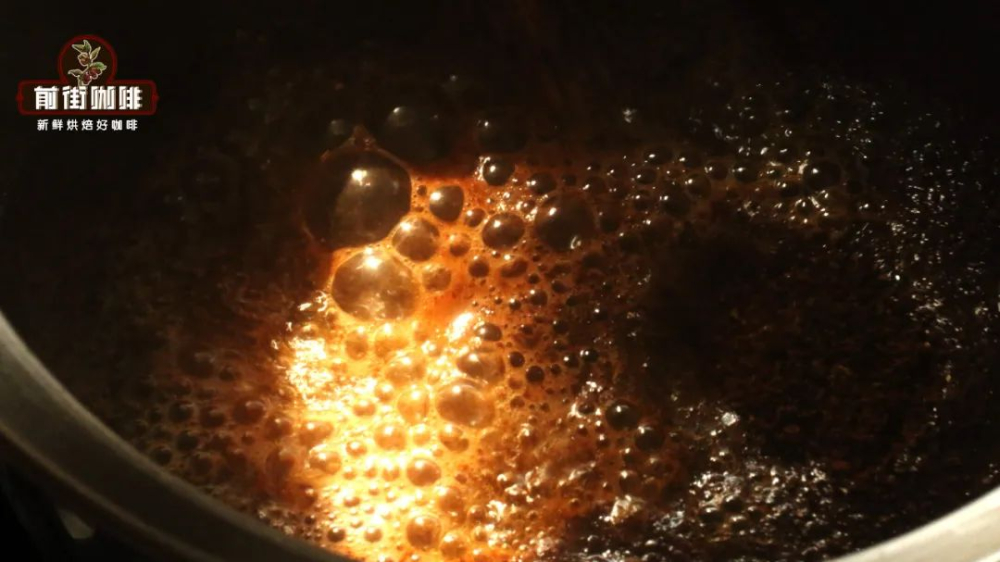
With two rounds of experimentation as a foundation, the third round aimed to challenge a light-roast coffee bean, selecting a washed Geisha from Peru. This bean showed distinct jasmine floral notes and grape juice tones during cupping, with a fresh, juicy flavor profile. Considering that light-roast beans usually have more delicate flavors, the grind size was slightly adjusted to EK43s-11.5 (slightly finer than the previous two rounds), while other parameters—including 18 grams of coffee, a 1:16 coffee-to-water ratio, and a 1-minute boiling time—remained unchanged.
The final TDS for this Peruvian washed Geisha was only 0.94%, the clearest of the three rounds. Although there were concerns about potential under-extraction, the actual tasting revealed delicate floral notes, grape juice, layers of black tea and prune, with a smooth and sweet mouthfeel. Although the body was slightly lighter, the overall performance was elegant, with clear layers, and it even rivaled the results of a typical pour over brew.
The above content is compiled by CoffeeHunters, a coffee news website.


