








Introduction:Have you ever wondered why some pour over coffee beds puff up like a burger patty during the bloom phase, while others remain flat and lifeless? This actually has to do with the roast level and freshness of the coffee beans, as well as the brewing parameters you use. This article will delve into the science behind coffee bed expansion, helping you master the trick to achieving a beautifully puffed “burger bun” during the bloom, and teaching you how to assess coffee bean quality through the state of the coffee bed—thereby further improving your pour over skills.
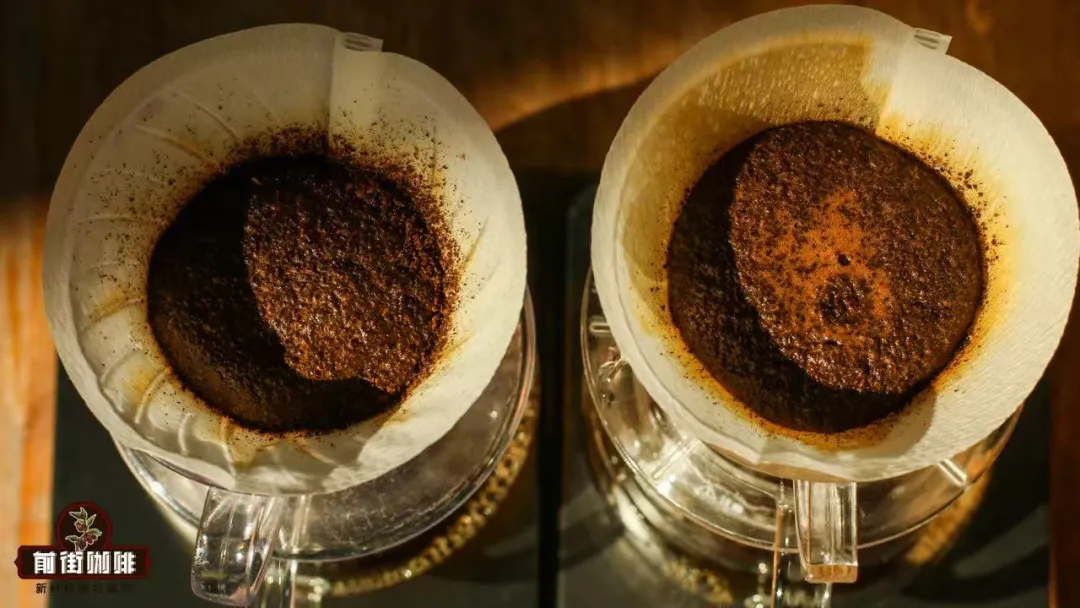
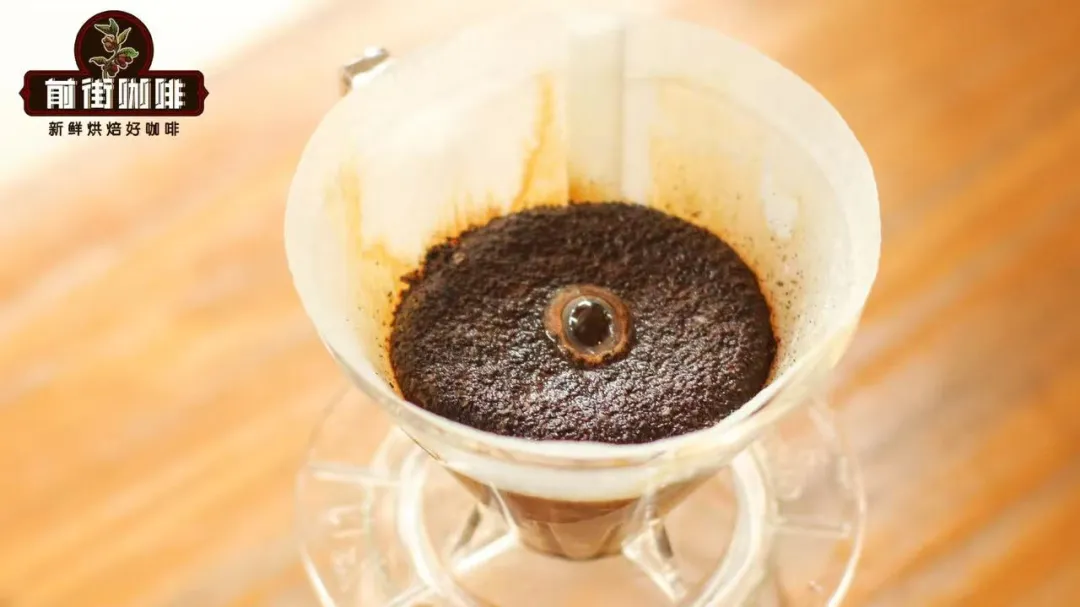
During the pour over process, the bloom stage is often the first detail many people observe. When hot water first comes into contact with the coffee grounds, some people’s coffee beds quickly puff up into a plump, rounded “burger bun,” while others’ coffee layers only rise slightly or show almost no change at all. Such differences aren’t just about technique or luck—they’re the result of multiple factors working together.
First, we need to understand that the reason the coffee bed can expand during the bloom is mainly because the carbon dioxide contained within the coffee beans is released when heated and reacts with water to form bubbles. These bubbles are temporarily trapped by the surface tension of the water molecules and the capillary action between the coffee grounds, preventing them from escaping immediately. As they accumulate gradually within the coffee layer, they eventually push the entire bed upward, creating the “bulge” that we see.

However, this expansion effect doesn’t always appear consistently. Even beginners who follow the same steps and use identical parameters may still struggle to achieve the ideal puffiness. The key lies in whether the coffee beans you’ve chosen contain sufficient carbon dioxide, and whether your brewing technique can effectively “stimulate” the release of these gases.
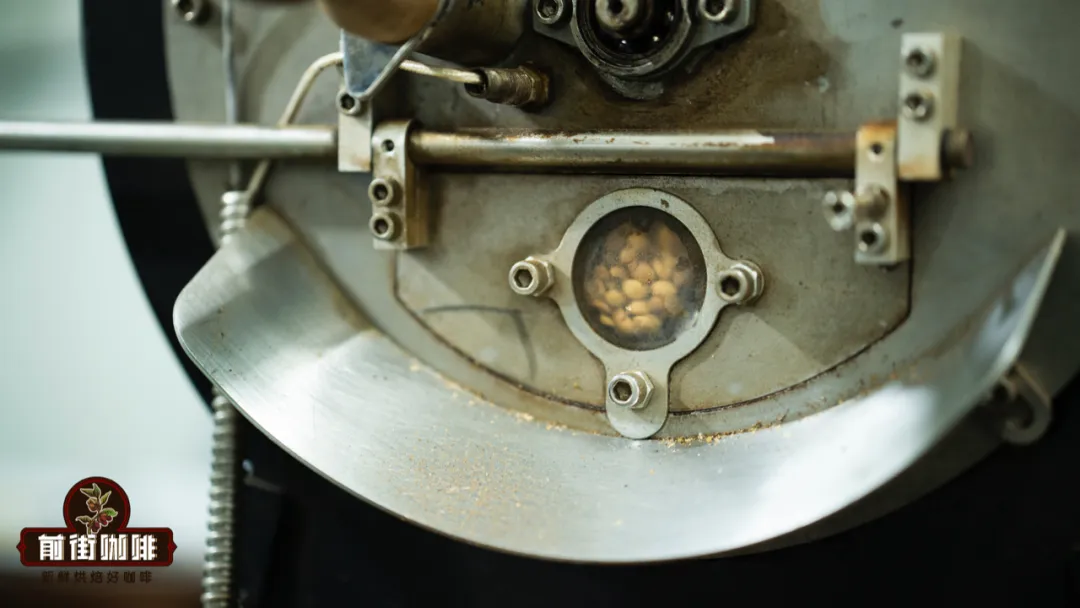
The primary factor influencing carbon dioxide content is the roast level. Generally speaking, the darker the roast, the more carbon dioxide is generated during the roasting process. As a result, dark roast beans usually produce more noticeable expansion during the bloom. That said, this doesn’t mean light roast beans can’t puff up at all—it’s just that their carbon dioxide release is relatively lower, requiring more precise parameters to bring it out.
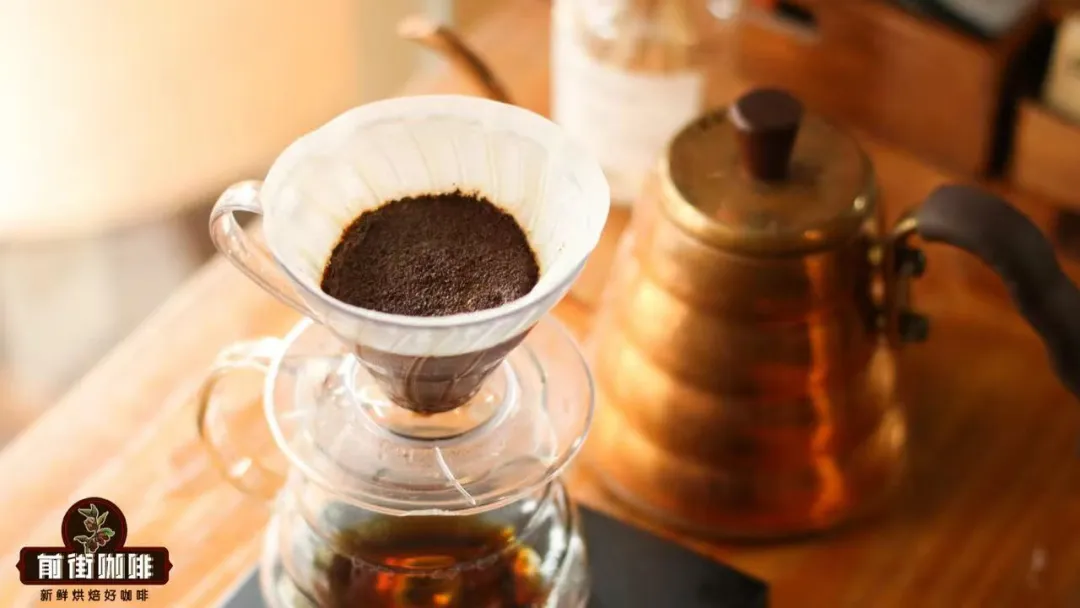
Another key factor is the freshness of the coffee beans. Freshly roasted beans have the highest internal carbon dioxide content, but over time, these gases gradually dissipate. Therefore, the fresher the coffee beans, the more pronounced the bloom expansion typically is. However, be cautious—beans that are too fresh may have an excess of carbon dioxide, which can actually hinder even extraction and lead to unbalanced flavors.
So, how can you adjust your parameters to achieve the ideal expansion of the coffee bed? First, grind size is an important variable. Too coarse a grind allows water to pass through too quickly, failing to fully saturate the coffee grounds and resulting in untimely carbon dioxide release. It’s recommended to use a medium-fine grind so that hot water can evenly penetrate and gradually activate the release of carbon dioxide.
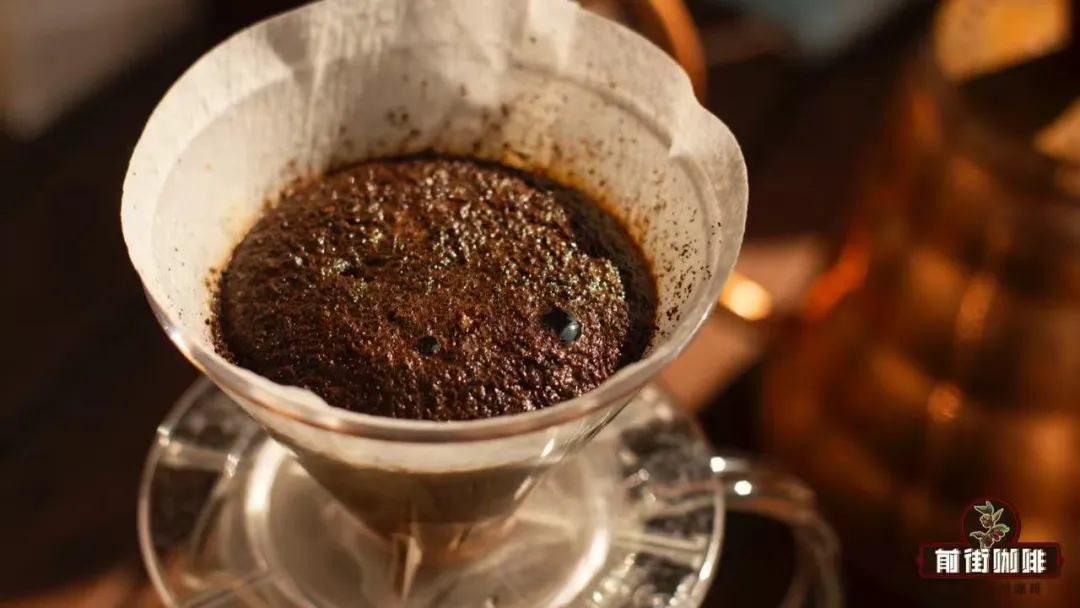
Second, water temperature also plays a critical role. A moderate water temperature (typically suggested to be between 90°C and 93°C) helps balance carbon dioxide release and flavor extraction. Too low a temperature may fail to effectively stimulate gas release, while too high a temperature can easily lead to over-extraction, affecting the taste.
Additionally, the way you pour during the bloom also affects the coffee bed’s expansion performance. It’s recommended to pour primarily in the center, gently allowing the water to evenly saturate all the coffee grounds and avoiding direct impact that could cause bubbles to escape prematurely. The water volume is generally controlled at about 2 to 3 times the weight of the coffee grounds—for example, using 30–45 grams of water for 15 grams of coffee, with a bloom time of around 30 seconds.
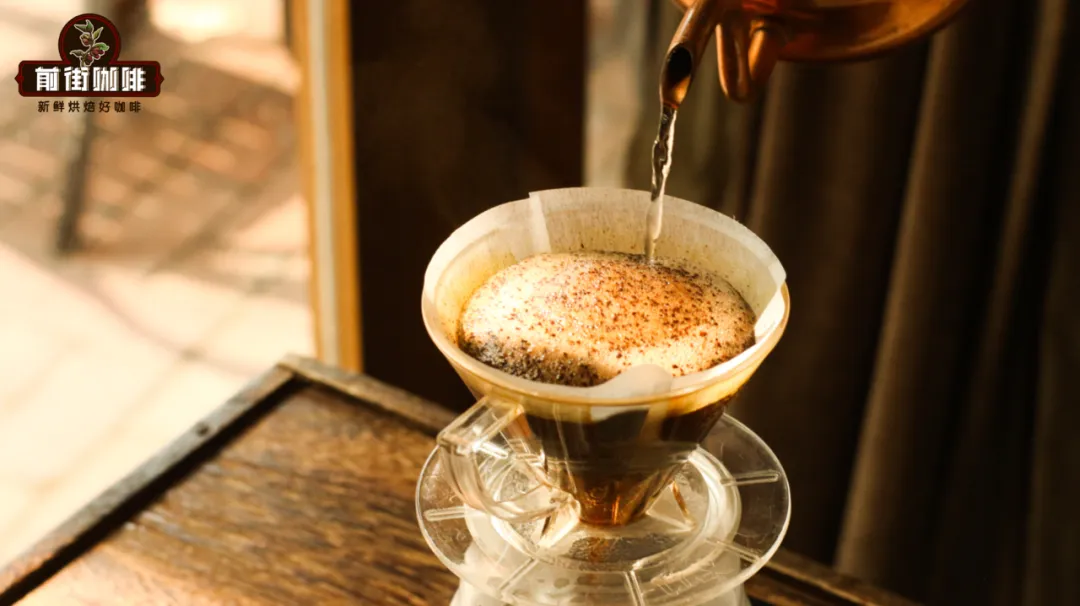
By observing the expansion state of the coffee bed during the bloom, you can actually infer a lot about the coffee beans. If the coffee bed quickly puffs up and maintains that lift for a while, it usually indicates that the beans are dark roasted, fresh, and rich in carbon dioxide. On the other hand, if the bed only rises slightly or collapses quickly, it may mean the beans have been stored for some time or are lightly roasted.
In summary, to achieve a beautifully puffed “burger bun” coffee bed during the pour over bloom, the key lies in selecting the right coffee beans (in terms of roast level and freshness), adjusting grind size and water temperature appropriately, and using the correct pouring method. This not only improves coffee extraction efficiency, but also allows you to better understand the characteristics of your beans with each brew. From then on, you’re no longer just going through the motions—you’ll be able to adjust your brewing strategy to best suit the beans at hand based on the changes in the coffee bed.
The above content is compiled by CoffeeHunters, a coffee news website.


