








Introduction:Want to enjoy the unique flavor of cold drip coffee at home but find professional equipment too expensive and complicated to use? Actually, with just a dripper, filter paper, and ice cubes, you can easily make it happen. This article explains in detail a simplified method without a cold drip kettle, breaking down everything from equipment selection and grind adjustment to key steps, while also pointing out common mistakes. It teaches you how to make cold drip coffee nearly on par with professional shops using basic tools—perfect for beginners and advanced enthusiasts alike.
As temperatures rise, cold drip coffee has become a top choice for many coffee lovers looking to beat the heat. Its uniquely refreshing taste and fermented notes are quite different from regular iced coffee. However, professional cold drip kettles often cost thousands of yuan and have a steep learning curve, deterring many. In fact, by mastering a few tricks and using common household items like a dripper, filter paper, and ice cubes, you can create cold drip coffee with a similar flavor profile.
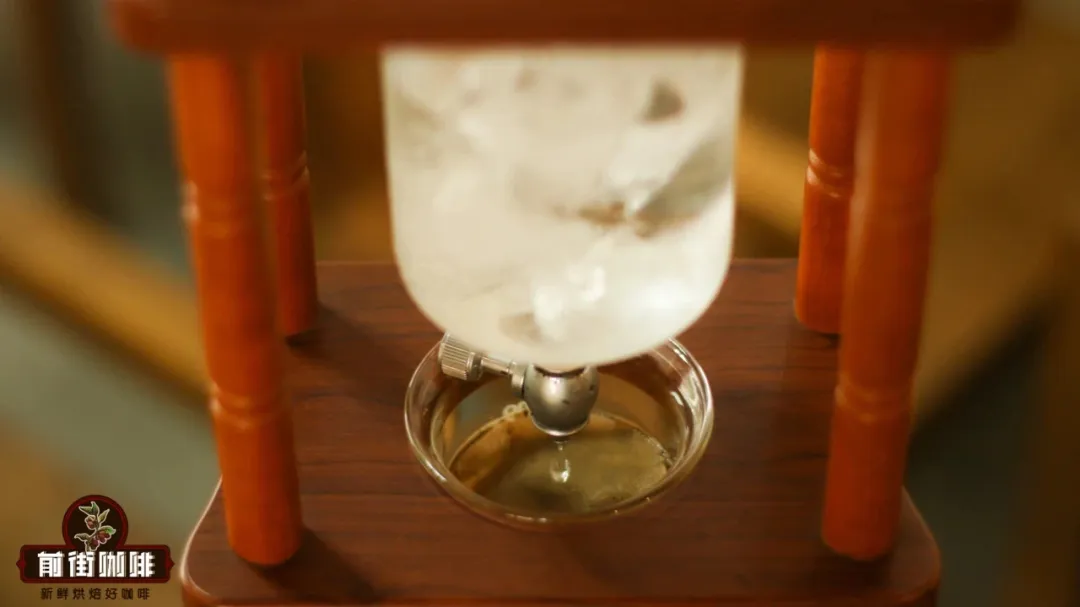
Cold drip coffee is a type of cold brew, extracted slowly through the dripping of ice water. Typically, it requires a specialized cold drip kettle to control the dripping speed and extend extraction time. However, for most households, cold drip kettles are not only relatively expensive but also used infrequently, making it hard to justify the investment. Fortunately, there’s a popular method online that uses just a dripper and ice cubes to mimic the cold drip effect and produce richly flavored cold drip coffee.

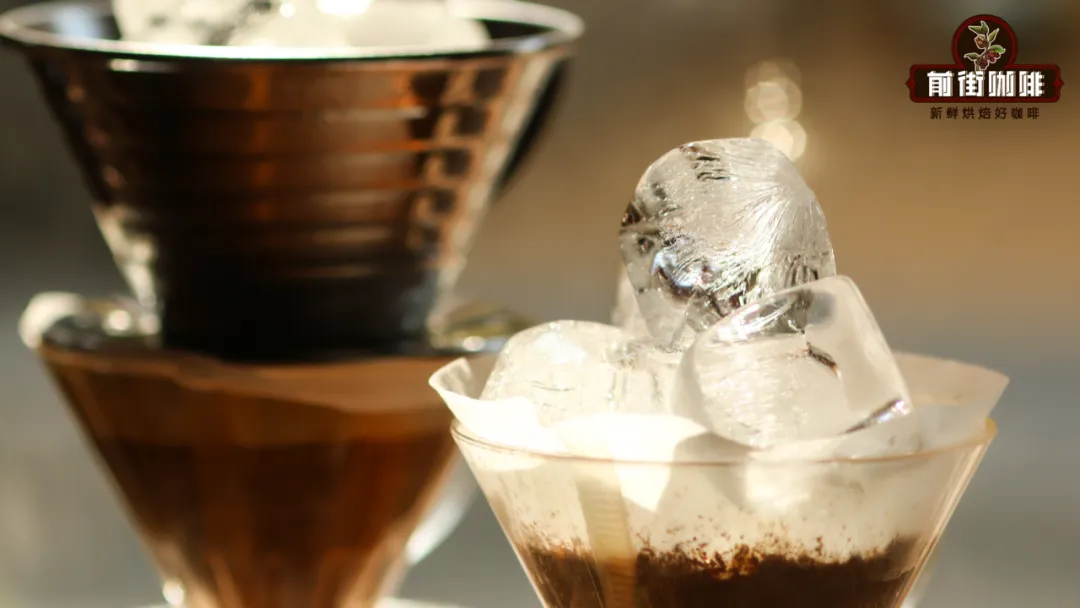
This “home version” of cold drip is extremely simple: place ground coffee in a dripper, then put ice cubes on top of the coffee bed. As the ice melts slowly, water drips through the coffee layer, gradually extracting the flavors. As long as the ambient temperature isn’t too high and the ice melts at a moderate pace, the coffee grounds will be fully extracted, resulting in a bold and layered cup.
However, simple doesn’t mean careless. Ignoring key details such as grind size, ice-to-water ratio, or filter paper use can easily lead to under-extraction and a flat-tasting cup. Below, we’ll go through the full process in detail and highlight common pitfalls to help you avoid mistakes and successfully brew a cup of cold drip coffee that rivals professional standards.
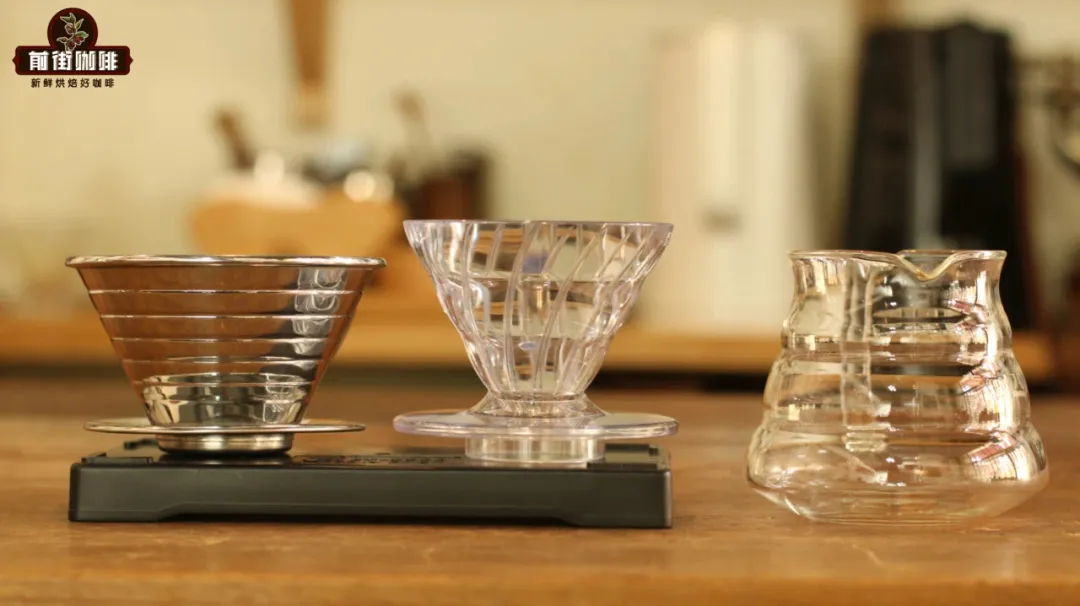
Preparation is simple: you only need a container to catch the brewed coffee, 1–2 commonly used drippers, matching filter paper, coffee grounds, and ice cubes. These are all standard tools for pour over brewing—you don’t need to buy anything extra. For bean selection, it’s best to avoid dark roasts with strong bitterness and opt instead for light to medium roasted single-origin beans, such as Costa Rica honey-processed beans, which highlight sweetness and fruity notes, making them more suitable for cold drip.
This demonstration uses Costa Rica Strawberry Sugar beans, whose honey processing brings out distinct sweetness, while the Geisha variety adds elegant floral notes. Grind size is one of the keys: since the dripper structure differs from a cold drip kettle, the coffee bed is thinner, so you need to adjust the grind slightly finer. We recommend using an Ek43 grinder at setting 8.5, or a 20-mesh sieve with 90% extraction rate—about slightly finer than granulated sugar and two notches finer than a regular pour over grind. This adjustment increases water resistance, extends extraction time, and ensures full release of flavor compounds.
Specific parameters are as follows: 25 grams of coffee grounds, a 1:10 coffee-to-ice ratio, and the grind size mentioned above. To start, wet the filter paper and place it in the dripper, add the coffee grounds, then do a bloom with an equal amount of room temperature water. The purpose of this step isn’t degassing but to moisten the coffee grounds to aid subsequent ice water penetration. Pour gently and with minimal height to reduce water volume and avoid disrupting the coffee bed structure. The water that drips out after blooming is usually too cool and lacks sufficient flavor, so it’s recommended to discard it.
Next, cut two pieces of filter paper roughly the same size as the coffee bed (use round filter paper if using a smaller amount of coffee). Lay them flat on top of the coffee bed and moisten them. This step helps ensure even dripping of the ice water, preventing uneven extraction—it’s essential to do this. Once the filter paper is in place, add the ice cubes. If your dripper doesn’t have enough space, you can add the ice in batches or use a second dripper to hold the ice (as shown in the diagram), and remember to place filter paper on that dripper as well to prevent the ice water from directly hitting the coffee bed.
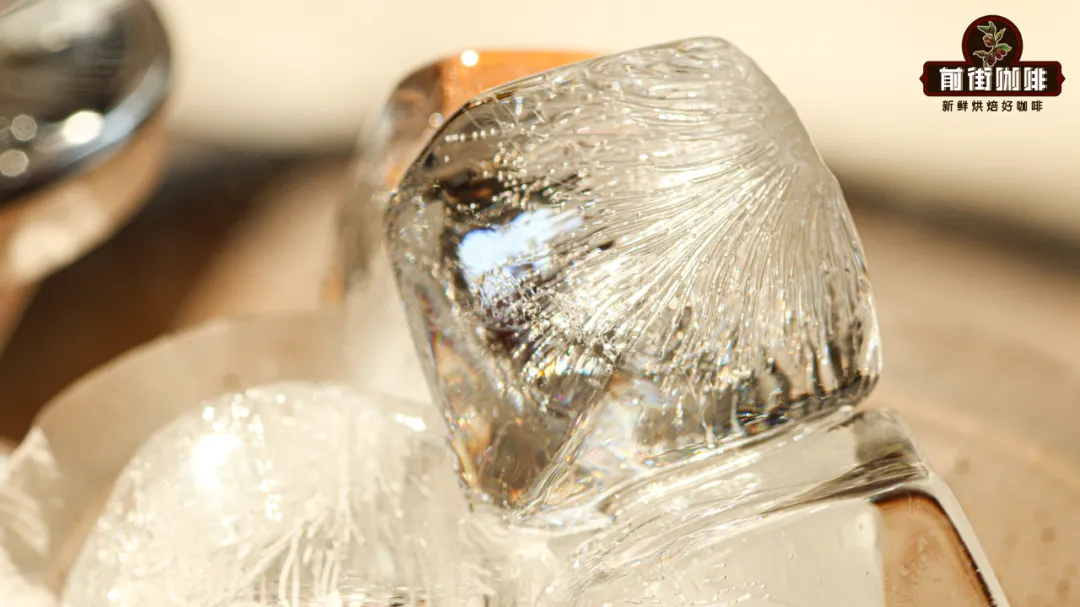
After the ice has completely melted, remove the dripper. At this point, the coffee hasn’t yet fully developed its final flavor. It’s recommended to store it in cling film or a sealed bottle and refrigerate for at least 8 hours to allow the wine-like and fermented notes to become more pronounced. The longer it refrigerates, the more layered the flavors will be—you can adjust based on personal preference.
In summary, the method of making cold drip coffee without a cold drip kettle may be simple, but it requires attention to grind size, filter paper use, and refrigeration fermentation. Mastering these details means you can enjoy richly flavored cold drip coffee at home even without professional equipment. It’s perfect for summer refreshment or everyday enjoyment. Next time, why not give it a try and craft your own cold drip flavor using basic tools?
The above content is compiled by CoffeeHunters, a coffee news website.


