







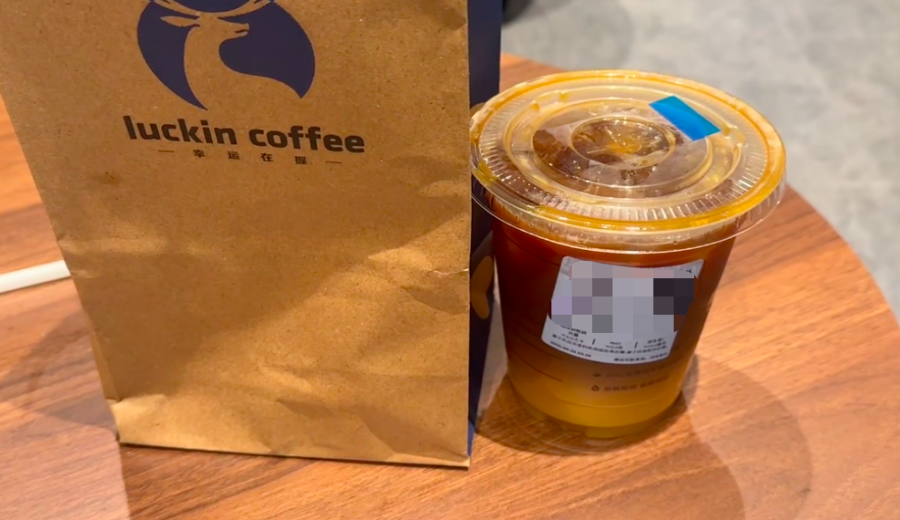
Introduction:Many consumers have noticed that on the Luckin Coffee mini-program, the same beverage is priced differently for different users — even to the extent that members are charged more than non-members. This phenomenon of "personalized pricing" is suspected to be the result of data-driven pricing strategies, sparking discussions about brand member value and consumer fairness. This article delves into the reasons behind Luckin’s price differences and offers practical comparison tips to help you drink smarter.
In today’s increasingly digital consumption environment, many users may have had similar experiences: being loyal customers yet finding themselves paying more than new users. This phenomenon, dubbed by netizens as "big data price discrimination," has now quietly emerged among chain coffee brands, particularly on the Luckin Coffee mini-program platform.
According to consumer feedback, when using the same device but logging into different accounts on the Luckin mini-program, the price of the same beverage — such as "Watermelon Coconut Cold Brew" — can vary from10.9 yuan to 16.8 yuan,resulting in what is being called "one person, one price." What’s more confusing for some members is that even after purchasing Luckin’s "Coffee Freedom Card," they sometimes end up payingtwo to six yuan morethan their non-member colleagues.
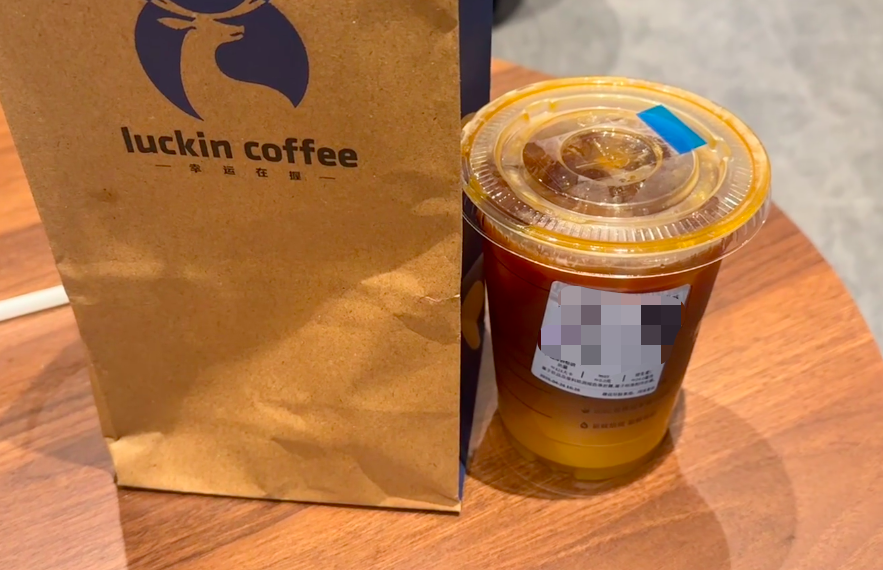
Regarding this issue, reporters interviewed both Luckin store staff and official customer service. Store representatives explained that the system automatically pushes different coupons based on each user’s consumption history and behavior patterns, so the actual price seen on each account may differ, and staff cannot directly intervene. Customer service also emphasized that the system issues varying discount levels based on user segmentation data at irregular intervals, so "price inconsistencies are normal."
As for why members might end up paying more, customer service explained that it could be because non-member accounts happened to receive higher-value coupons. However, this explanation did not fully alleviate consumer concerns, especially for those who have paid for membership, where the psychological impact is more pronounced.
Some consumers found through testing that by registering multiple accounts and comparing prices, they could more easily snag discounts — for example, the same coconut latte might cost9.9 yuanon one account, but13.9 yuanon another. To secure better deals, some customers have even proactively registered dual accounts to switch between different promotions.
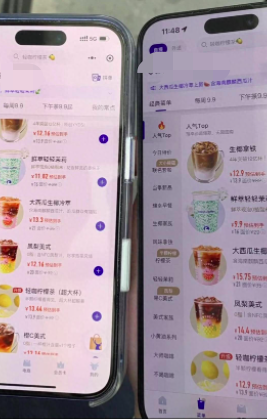
On social platforms like Xiaohongshu, searching keywords such as "Luckin price discrimination" yields numerous user-shared experiences, with many pointing out that Luckin’s pricing strategy shows a trend of "starting low then getting higher" or "the more you buy, the more expensive it gets." Many users expressed understanding that brands adjust promotions based on consumption habits, but when long-term supporting members find themselves paying more than occasional buyers, it’s hard not to feel "stabbed in the back."
Such price discrepancies not only affect consumers’ willingness to purchase, but have also led some users to opt out of renewing memberships or even cancel their accounts altogether, switching to coffee brands with better promotions. For chain coffee brands, how to balance data analytics with user experience and trust will be a key issue to consider in the future.
For consumers, to avoid paying higher prices, it’s advisable to develop a habit of comparing prices — try using different devices or accounts to check the price of the same product, or take advantage of the official limited-time promotions released from time to time — to ensure every cup of coffee is both a good deal and worry-free.
The above content is compiled by CoffeeHunters, a coffee news website.


