







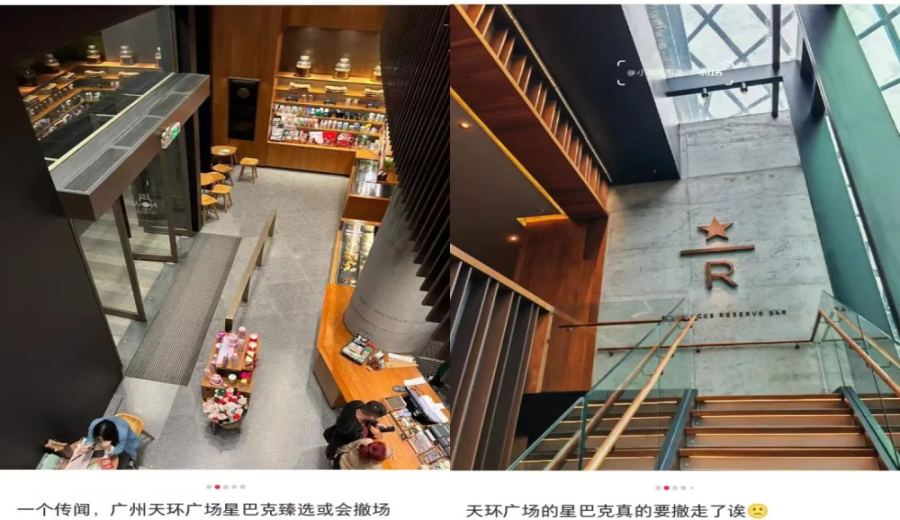
Introduction:The Starbucks Reserve store in Guangzhou’s Tianhuan Plaza, once renowned for its design appeal, has officially confirmed its closure. Despite its prime location in the core commercial district of Tianhe District and consistently high foot traffic, it could not escape the fate of shutting down. This article delves into the challenges faced by high-end stores in bustling areas—such as high rents and low table turnover—and explores how the “just for show, not for consumption” phenomenon impacts business performance, offering practical insights on commercial district site selection.
The Starbucks Reserve store in Guangzhou’s Tianhuan Plaza has recently been officially confirmed to cease operations in the near future. Opened in November 2017, this outlet was originally a flagship Reserve store specially created by Starbucks to celebrate 15 years of entering the South China market. It was once hailed as “one of Guangzhou’s most design-aesthetic coffee spaces” due to its spacious layout and modern décor.
Unlike older outlets that have closed due to the decline of their commercial districts, this Reserve store was located in Tianhuan Plaza, a core commercial area in Tianhe District. Surrounded by numerous top-tier international brands, it enjoyed stable daily foot traffic, with its seating often fully booked and even nearly at capacity during off-peak hours. However, such a lively scene could not reverse its fate of closure.
According to on-site consumers, store staff have confirmed the closure news, with the store expected to shut down officially in the near future. Although the specific date has not yet been announced, many fans have expressed regret over the loss of this distinctive outlet, which was not only a great place to relax but also a popular photo spot on social media.
In analyzing the reasons behind its closure, industry insiders generally agree that the key factor is the disproportionate relationship between high rental costs and operational efficiency.The store’s location in a prime area comes with extremely high rent costs, and its open-space design tends to attract a large number of “check-in crowds” who come mainly to take photos or relax. These customers often occupy seats for extended periods after placing minimal orders, leading toa notably low actual table turnover rate, which severely impacts overall revenue performance.
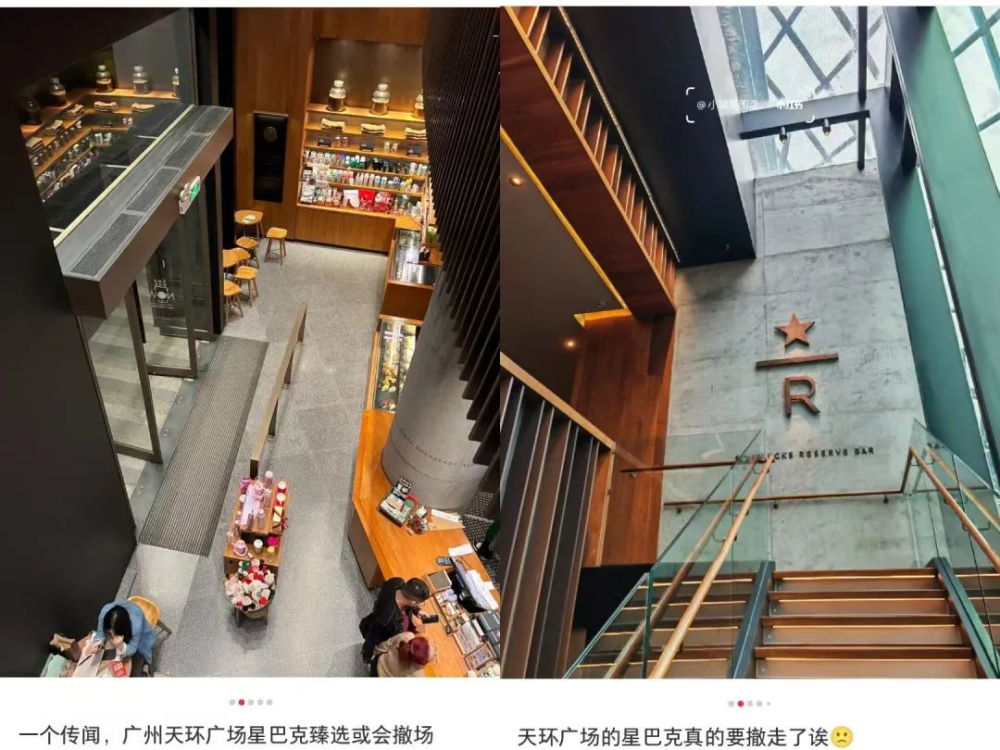
Some observers have pointed out that although the store may appear busy on the surface, it includes many temporary visitors who are “just there for the photos, not for coffee.” The proportion of customers who actually purchase drinks may be lower than it appears, further reducing the economic efficiency per square meter.
In response to the closure, Starbucks officials stated that it was a strategic decision based on overall adjustments in the commercial district’s business mix. They emphasized that closing a single store is a normal business practice and noted that within a three-minute walking radius of Tianhuan Plaza, there are still more than 10 Starbucks outlets available to serve customers, who can easily find alternative options.
Industry experts analyze that this case reflects that even in core commercial districts, high-end coffee outlets must carefully balance rental costs with actual revenue. Excessively high fixed expenses paired with a customer model that has low conversion rates may ultimately make operations unsustainable, providing important reference points for businesses planning to open outlets in busy areas.
The above content is compiled by CoffeeHunters, a coffee news website.


