







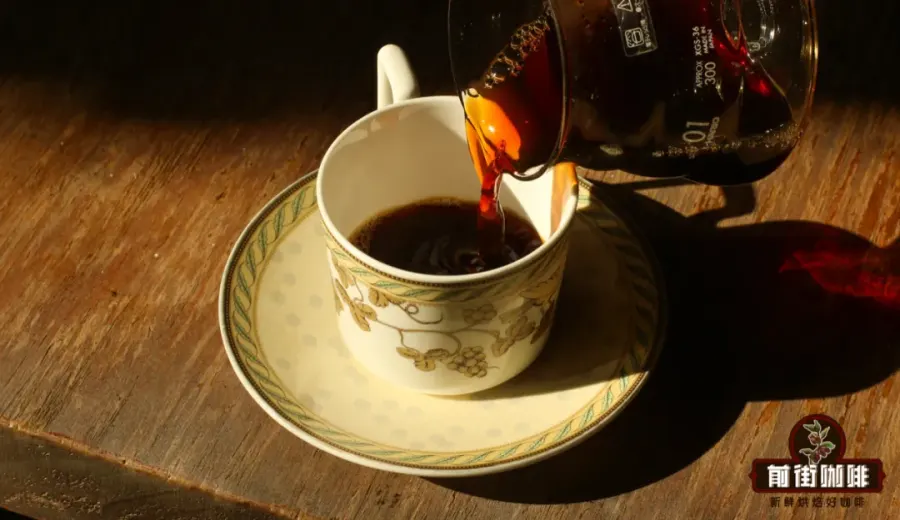
Introduction:Dark roast coffee is renowned for its intense aroma and rich sweetness, but it’s prone to over-extraction during pour over brewing, leading to an unbalanced bitterness. This article details how to brew balanced, layered dark roast coffee at home by adjusting filtration materials, brewing parameters, and employing a high strength low extraction strategy. Starting with hands-on testing of Golden Mandheling, we share key techniques such as brew ratio, water temperature, and three-stage pouring, along with an explanation of the science behind body and aftertaste.
The charm of dark roast coffee lies in its full-bodied nutty notes, silky mouthfeel, and lingering sweet finish. However, fully expressing these qualities while avoiding over-extracted bitterness requires precise control of brewing techniques. Drawing on practical experience, this article explores optimized methods for pour over brewing of dark roast beans.
High Strength Low Extractionis the core strategy — boosting flavor concentration by increasing the coffee-to-water ratio while controlling extraction yield to avoid releasing bitter compounds. Practical tests show that a 1:13 brew ratio (compared to the conventional 1:15) significantly enhances body and balances sweetness.
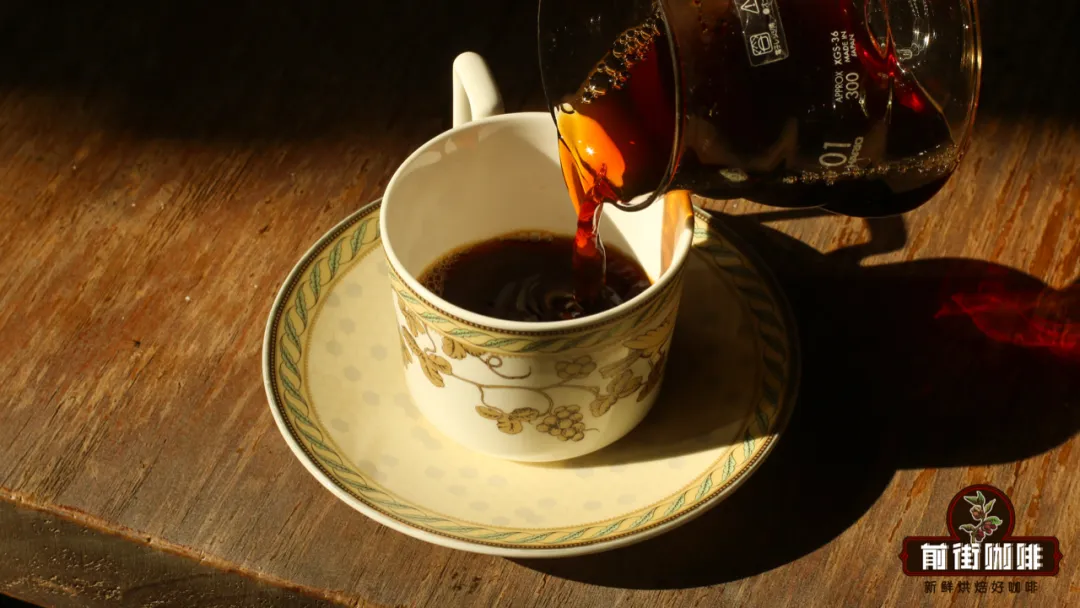
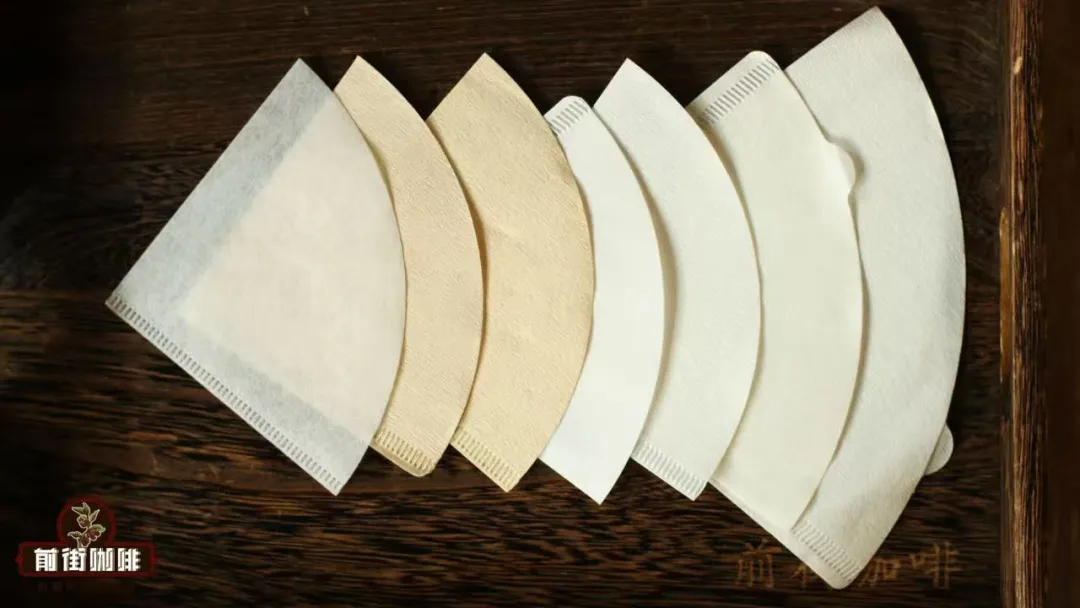
The body (mouthfeel) of coffee results from the synergy between soluble substances and oils. The caramelized compounds and coffee oils formed during dark roasting work together to create a smooth texture. Switching tonon-woven fabric filters or cloth filters(instead of standard paper filters) can retain more oils, resulting in a rounder mouthfeel. Note: These filter types need to be pre-wetted to ensure proper contact with the filter cone and prevent channeling.
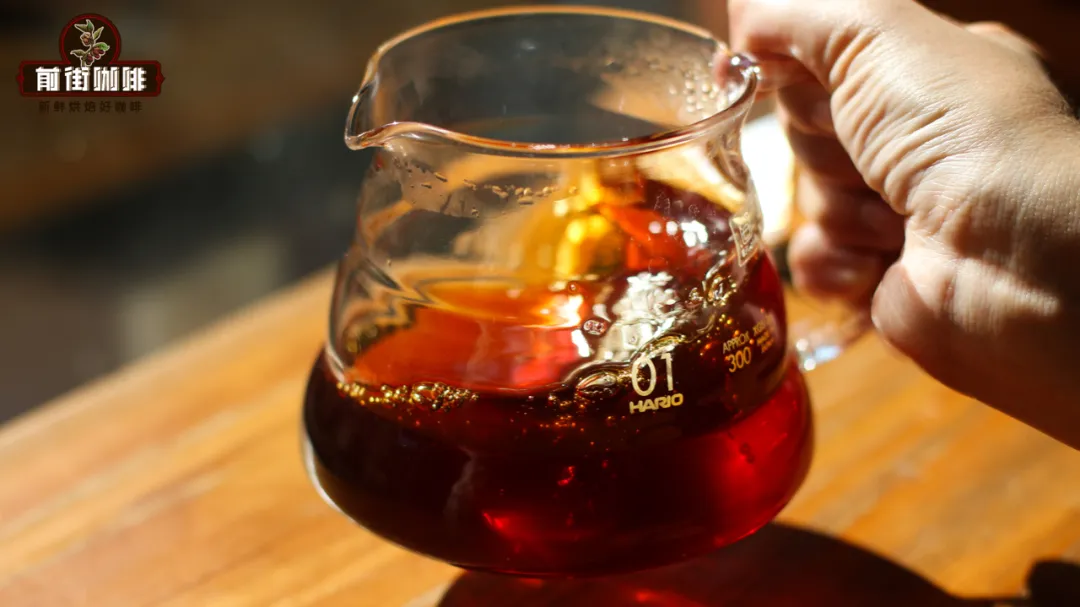
The secret to aftertaste lies in how sweetness counteracts bitterness. High-quality dark roast beans should have an inherent caramel and chocolate foundation, rather than relying on forced bitterness from over-extraction. When the coffee liquid contains enough sugar compounds, bitterness naturally transforms into sweetness in the finish. A common mistake is pursuing "strong bitterness" — in reality, balanced sweetness is the key to a good aftertaste.
Taking Sumatra Golden Mandheling as an example, recommended parameters are:20g of coffee,Ek43 grinder at setting 10.5 (approximately 80% passing rate through an #20 sieve),88°C water temperature,1:13 brew ratio. Use a three-stage pouring method: First, pour 40ml of hot water for a 30-second bloom; second, pour 120ml in a large circular motion (total time around 50 seconds); finally, pour the remaining 100ml in small circles centered on the grounds to complete extraction (total brew time about 2 minutes).
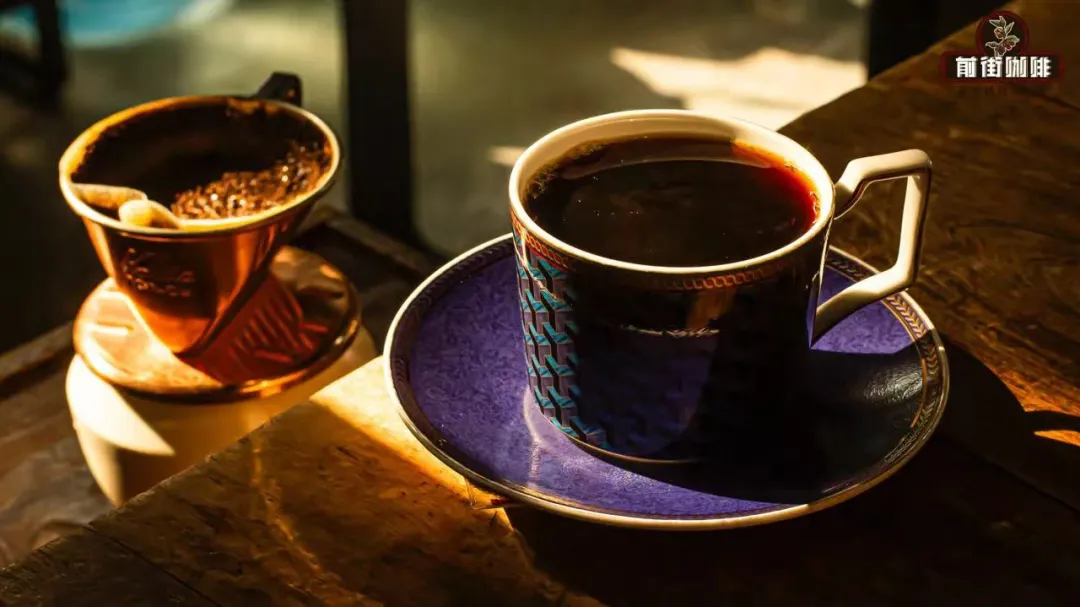
Tips: When using non-woven fabric filters, pre-soaking them in 90°C water for 30 seconds can improve filtration consistency. Maintain a stable pour rate to avoid disturbing the coffee bed. For a stronger body, try grinding slightly finer (but reduce extraction time accordingly to prevent over-extraction).
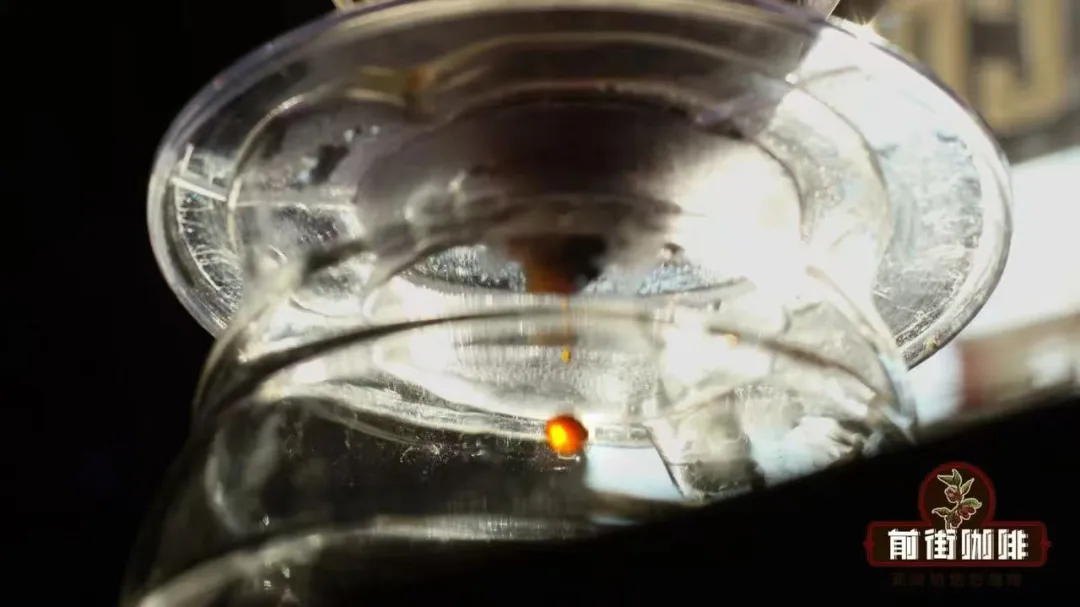
The final cup should exhibit prominent aromas of caramel, roasted nuts, and woody spices. On the palate, sweetness dominates with gentle, restrained bitterness. A well-brewed dark roast pour over will leave a lasting finish of chocolate and maltose after swallowing — this is the enhanced complexity brought by the high strength low extraction technique.
The above content is compiled by CoffeeHunters, a coffee news website.


