







Introduction:Using 100°C boiling water for pour over is often thought to easily lead to over-extraction, but in fact, with the right extraction strategy, it can actually highlight the coffee’s bright acidity and layered flavors. This article delves into the scientific principles behind high-temperature extraction and shares practical adjustments in parameters and stirring techniques. Taking the Sidamo ALO beans as an example, it guides you step-by-step to brew a cup with an extraction yield of nearly 21% and rich flavors.
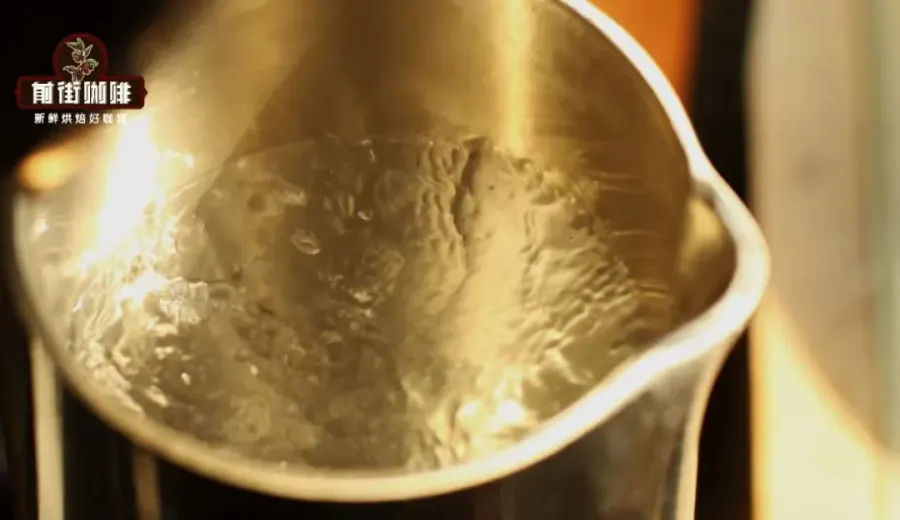
Is it really feasible to use 100°C boiling water for pour over? Many people’s first concern is that high temperature will make the coffee bitter, astringent, or over-extracted. But in reality, with proper adjustments, hot water can also extract surprisingly excellent coffee flavors.
A reader once asked: since water temperature isn’t the only factor affecting coffee flavor, can 100°C boiling water still brew a good cup? The answer is yes. In the industry, not only has Taiwanese barista Amis used this temperature for pour over, but internationally renowned coffee experts like James Hoffmann and Scott Rao have also shared their hands-on experiences with high-temperature brewing.
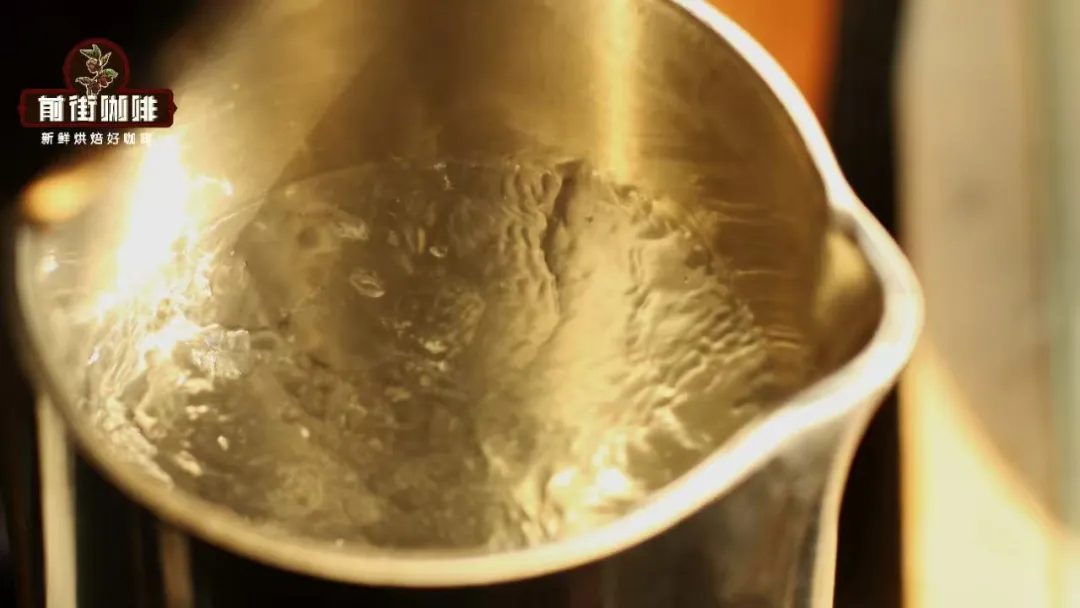
So why do we rarely see people using boiling water to brew coffee? The key lies in the fact that high-temperature water has extremely strong extraction power. Without corresponding adjustments to grind size, time, or technique, it can easily release excessive bitter and astringent compounds, leading to flavor imbalance.
Therefore, if you want to brew a good cup using 100°C water, you must adjust other extraction parameters, such as shortening the brew time, using a coarser grind, or altering the pouring method, to control extraction efficiency and avoid over-extraction.
Common solutions include adjusting the grind to a coarser setting (e.g., changing from medium-fine to medium-coarse), and shortening the total brew time to suppress the release of large-molecule bitter compounds. Additionally, using techniques that feature “immersion-style extraction” is key to stabilizing flavor output.
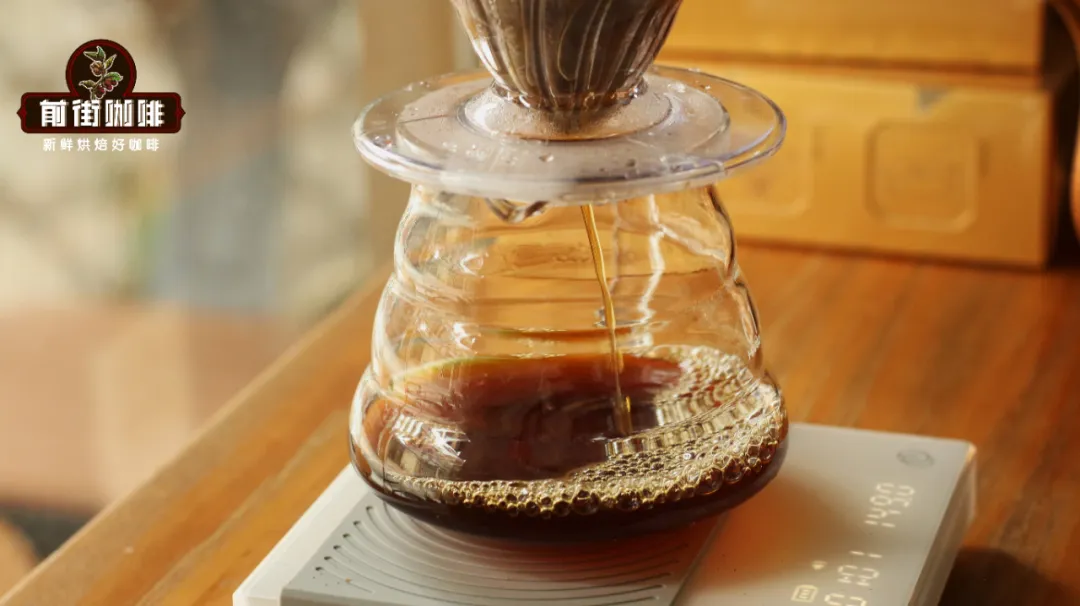
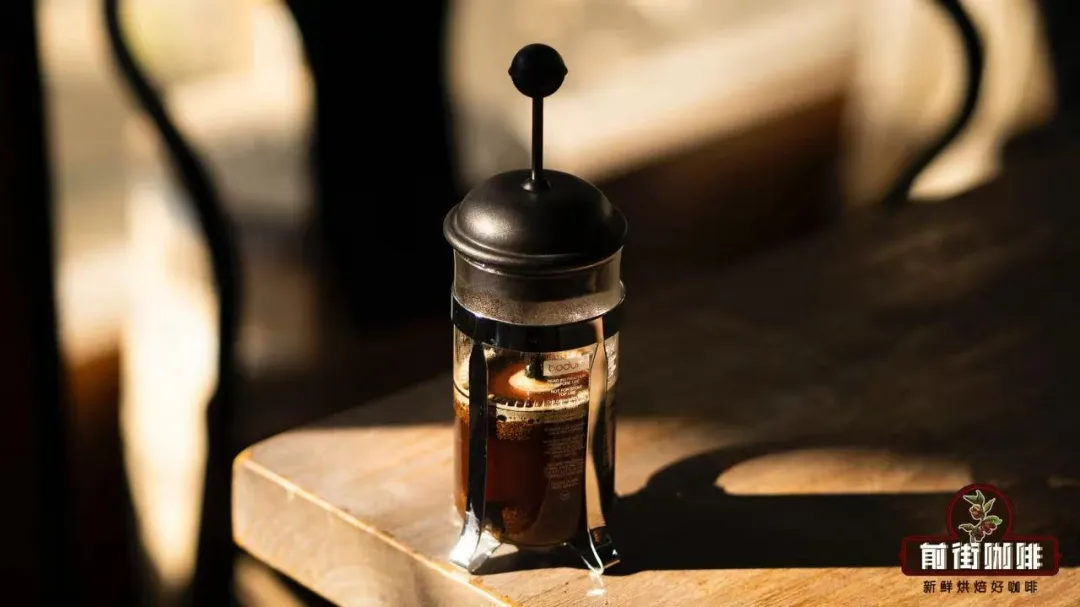
Immersion-style extraction refers to the process where, after mixing coffee grounds with water, the liquid concentration gradually increases, thereby reducing subsequent extraction efficiency. This mechanism naturally suppresses over-extraction, allowing even high-temperature water to maintain balanced flavors. Common tools like the French press and the clever dripper stabilize extraction using this principle.
Similarly, techniques in pour over such as stirring, single-pour (一刀流), or single-dose (一投式) also share similar immersion characteristics. These methods typically involve a brief period of static immersion after pouring, causing the coffee liquor concentration to rise quickly, which then slows down the subsequent extraction rate. Even at water temperatures as high as 100°C, undesirable flavors are less likely to emerge.
Of course, this doesn’t mean boiling water suits all coffee beans. If using dark-roasted beans or lower-quality beans, even immersion-style techniques may amplify defective flavors under high heat, resulting in noticeable bitterness and astringency. Therefore, it’s recommended to start with medium-to-light roasted, high-quality beans for experimentation.
Here’s a practical example: this session uses ALO beans from the Sidamo region, which are medium-to-light roasted with a lively flavor profile—well-suited for 100°C high-temperature extraction. Below are the full parameters used:
Coffee dose: 15 grams
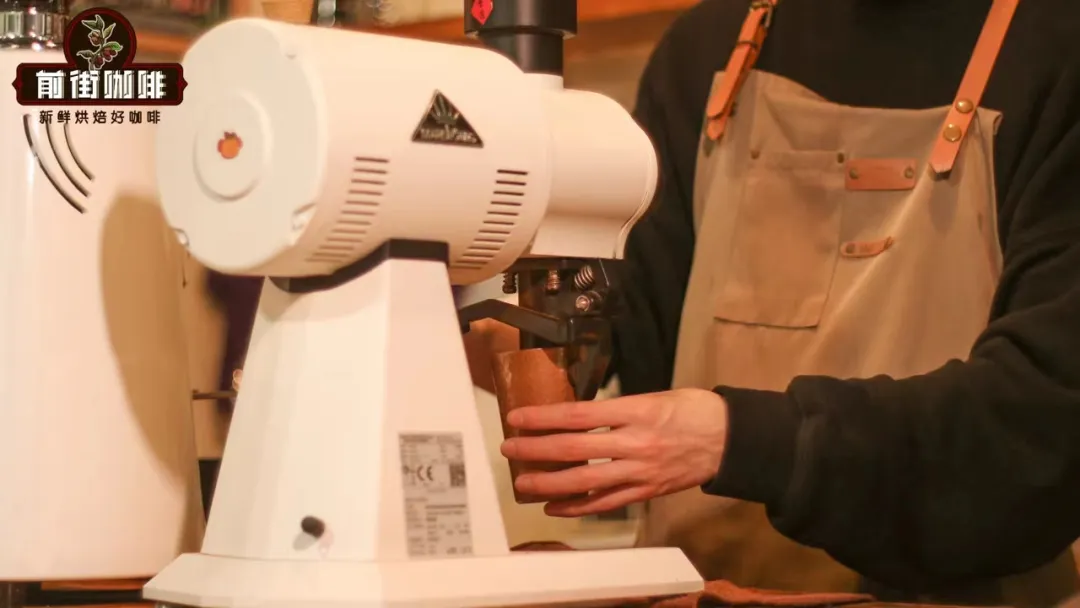
Grind size: Ek43 grinder at setting 7, with approximately 90% of particles passing through a #20 sieve (previously using 92°C three-stage extraction at setting 10 with 75% sieve passing rate)
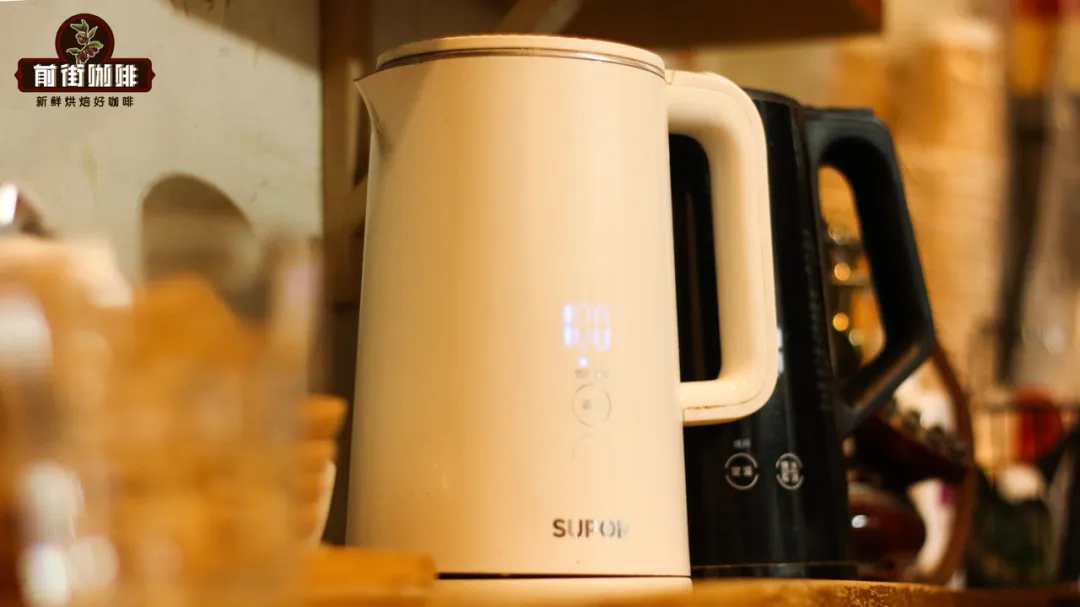
Water temperature: 100°C
Coffee-to-water ratio: 1:15
Brewing method: stirring method
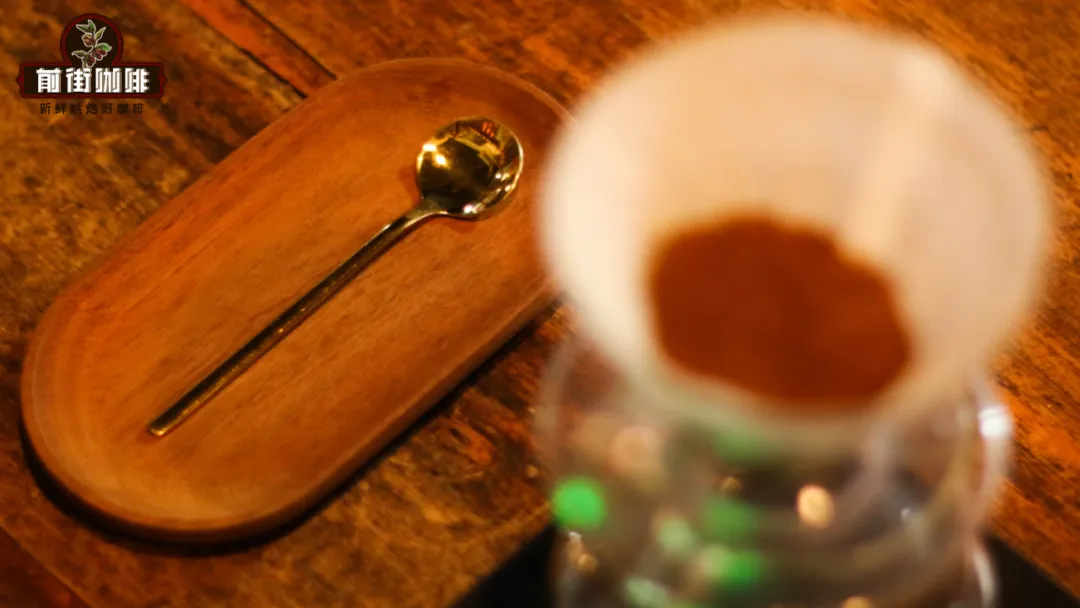
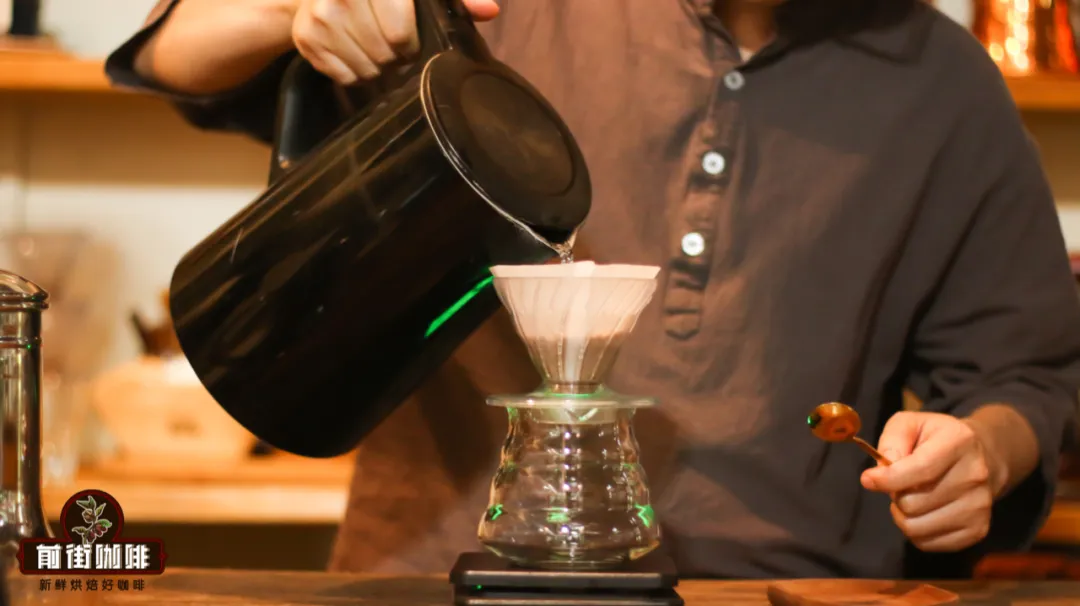
For precision, this session directly used a gooseneck kettle for pouring, avoiding the temperature drop caused by regular pour over kettles lacking temperature control, which could affect extraction consistency. It’s recommended to prepare all equipment and materials in advance so brewing can start immediately once the water reaches 100°C.
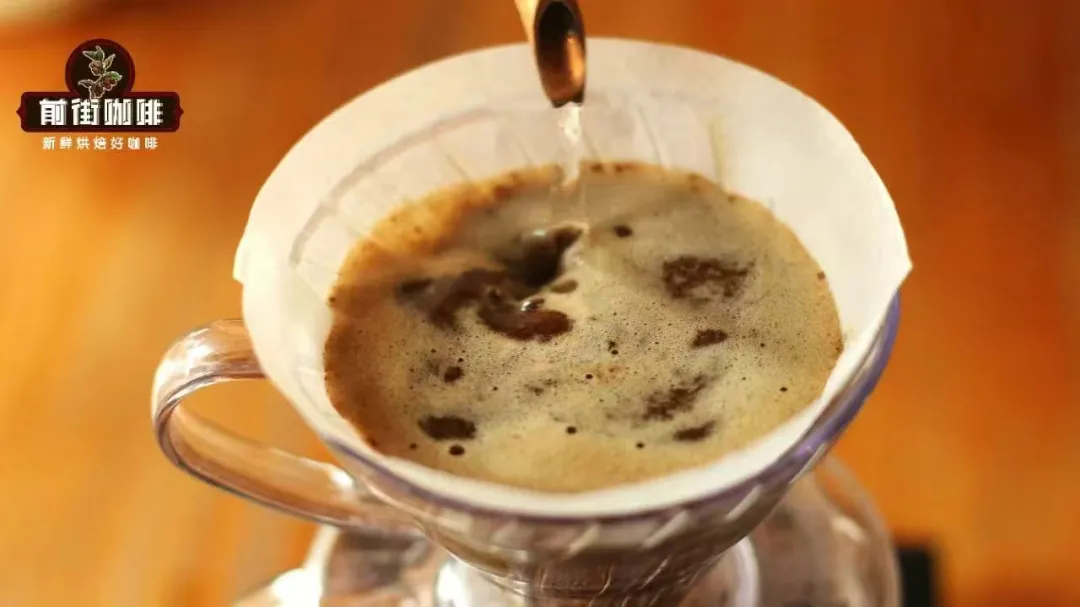
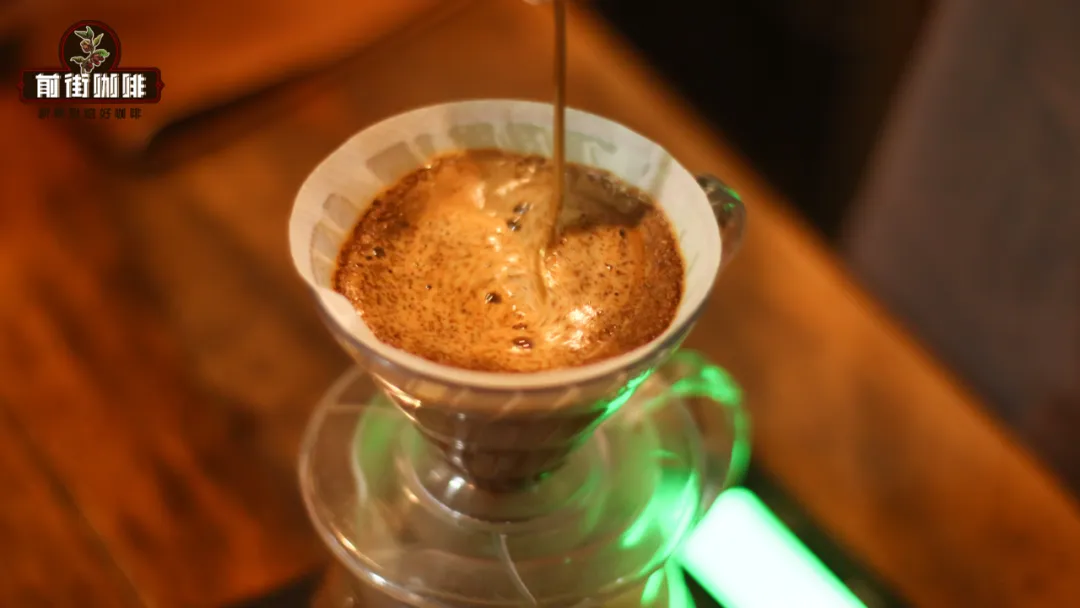
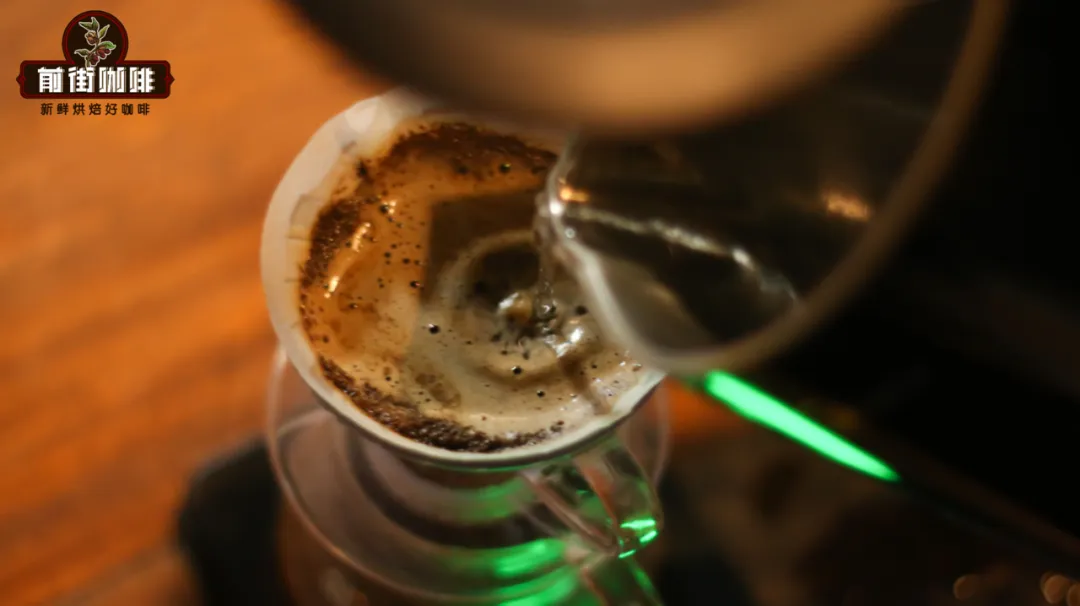
The brewing steps are briefly as follows: First, pour 90 ml of hot water. It’s advised to pour quickly with a strong stream, and start the timer immediately (you can also rely on feel without strict timing). Right after pouring, stir the coffee grounds evenly about 10 times or 10 circles using a stirring stick or spoon to promote uniform contact between coffee and water.
Once all the coffee liquor in the filter has completely dripped through, pour the remaining hot water in one go. This time, the pour can be slightly slower, maintaining a steady stream is sufficient. Then wait for the coffee liquor to finish dripping through. The whole process takes about 2 minutes and 15 seconds.
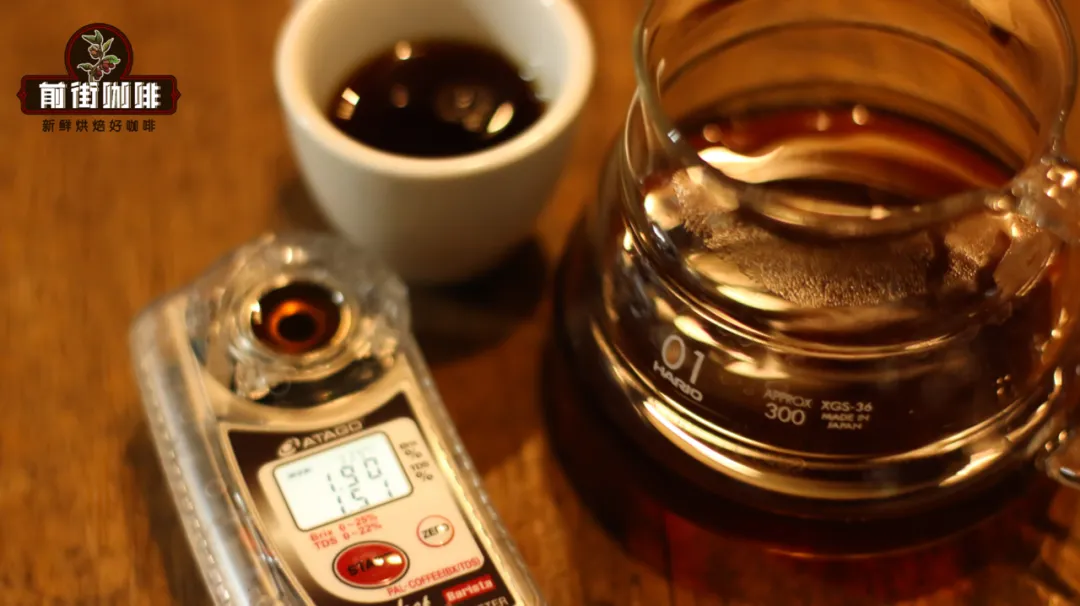
With these parameters, even with relatively high water temperature, slightly finer grind, and a slightly longer total brew time, the risk of over-extraction was still well controlled. Using a refractometer, the extraction yield of this cup was measured to be close to 21%. The flavor performance was outstanding, featuring a rich juice-like body, bright acidity, and distinct notes of mango, pineapple, and citrus, with a lingering hint of oolong tea aroma. The cup was well-balanced and layered.
This coffee brewed with 100°C boiling water delivered flavor performance that was in no way inferior to traditional medium-to-low temperature extractions. It also received unanimous praise from multiple tasters during actual cupping, proving that with the right parameters and techniques, high-temperature pour over can also achieve exceptional flavor.
In summary, brewing coffee with 100°C is not difficult. The key lies in adjusting grind size, pouring method, and time control according to the characteristics of the water temperature, and selecting suitable coffee beans. Through this practical sharing, we hope to give you a deeper understanding of high-temperature extraction, and encourage you to try it at home to brew your own high-quality cup of coffee.

The above content is compiled by CoffeeHunters, a coffee news website.


