







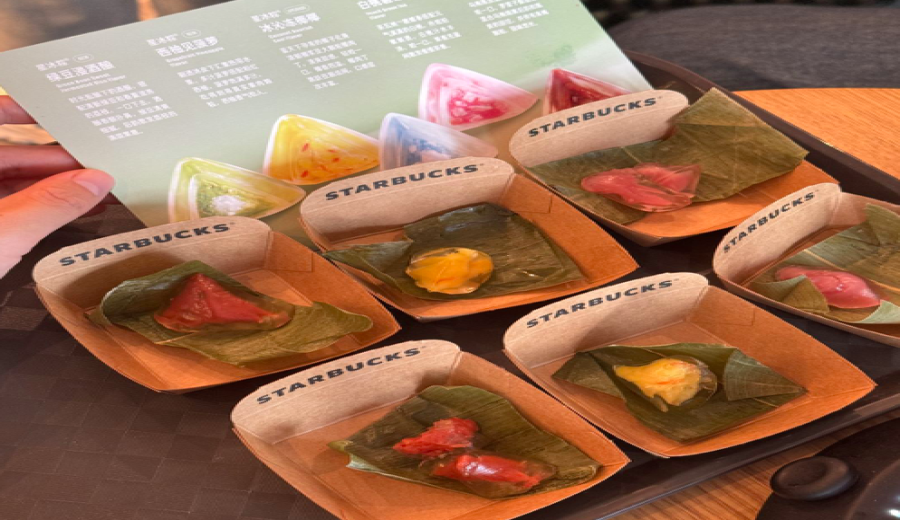
Introduction:On the eve of the Dragon Boat Festival, Starbucks’ Ice Cream Zongzi once again became a focal point in stores, yet it also sparked complaints from both employees and customers. This article delves into how Starbucks’ aggressive sales policies affect the consumer experience, as well as the helpless strategies grassroots staff adopt in the face of high sales targets, helping readers understand the real challenges behind the brand’s strategies.
As the Dragon Boat Festival approaches, Starbucks stores have begun rolling out Ice Cream Zongzi, this seasonally limited dessert that sparks conversation year after year. However, beyond the product itself, more attention has been drawn to the underlying sales strategy. Many customers have reported that even after clearly expressing disinterest, they were still persistently pitched by staff, causing frustration.
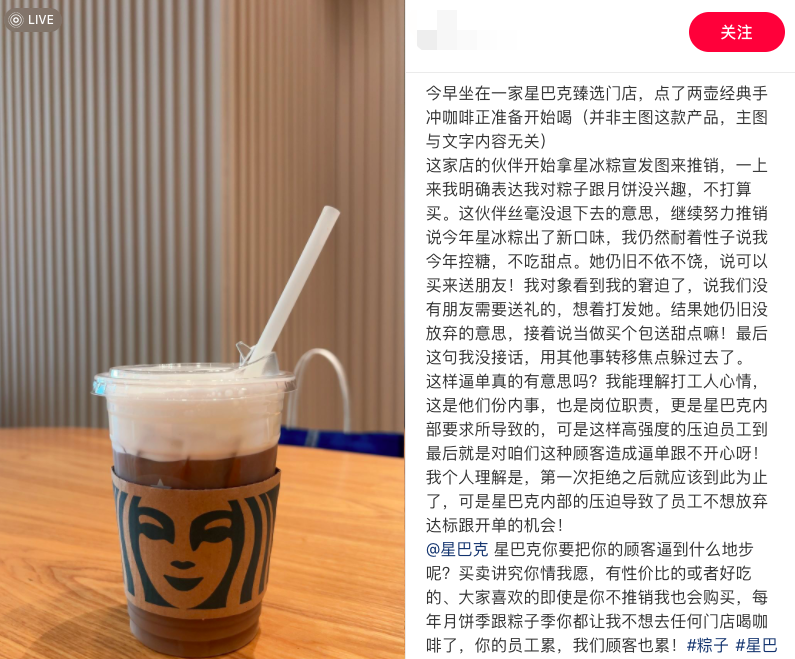
One netizen shared their experience, stating that they had refused multiple times and clearly mentioned their dislike for sweets, yet the staff did not give up and continued persuading them with tactics such as “get a free dessert with a drink purchase.” Such overly aggressive sales methods have left many consumers displeased, with some even saying they avoid visiting Starbucks during the Dragon Boat Festival as a result.
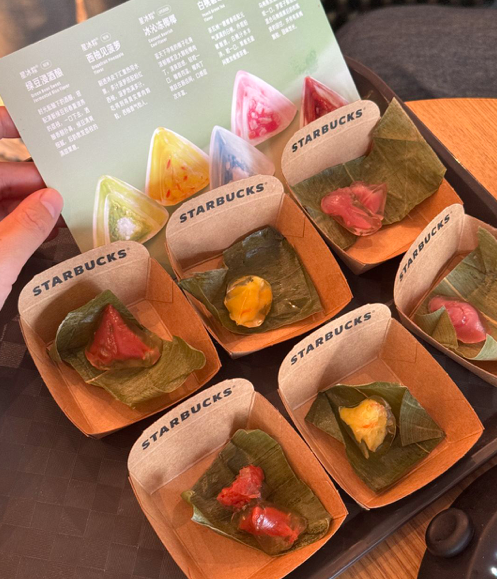
Echoing the customers’ complaints, Starbucks employees have also voiced dissatisfaction on online platforms. Many frontline staff revealed that the company sets rigid sales quotas, requiring each employee to meet a certain number of sales. Faced with the pressure of unattainable goals, some chose to resell the products within their social circles, offload them at low prices on second-hand platforms, or even purchase them out of their own pockets to avoid penalties.
Employees stated that failing to meet sales targets not only requires writing detailed action improvement plans but may also lead to continued pressure from management, with severe cases even affecting job position adjustments. This situation has left many employees feeling helpless, resorting to all kinds of measures to cope.
Industry insiders pointed out that Starbucks’ setting of seasonal product sales targets is originally intended to boost store performance and product exposure, but overly mandatory enforcement ends up harming customer experience and employee morale. Especially during festive periods, what customers expect is a relaxed shopping environment, not the pressure of repeated hard sells.
Some consumers suggest that brands should reconsider their sales approach—for example, by providing more transparent product information and allowing customers to choose autonomously, rather than making forced recommendations. At the same time, employee training should emphasize customer experience first, avoiding service quality being compromised due to sales pressure.
Overall, the controversy over Ice Cream Zongzi promotions reflects the brand’s balancing challenge between pursuing performance and maintaining customer relationships. How to adjust strategies in the future will be a serious consideration for Starbucks, as well as a focus of attention for both consumers and employees.
The above content is compiled by CoffeeHunters, a coffee news website.


