







Introduction:During the pour over brewing process, have you noticed a clear stratification in the coffee bed after extraction? This seemingly minor phenomenon can actually directly affect the extraction efficiency and flavor profile of your coffee. This article delves into the common causes of coffee bed stratification—including excessive water flow and improper pouring placement—and provides specific improvement techniques such as narrowing the pouring area and reducing water flow intensity to help you control extraction more precisely, ensuring each cup of coffee showcases the intended layers and balance.
After completing a pour over, observing the state of the coffee bed is one of the key indicators for evaluating the overall brewing quality. An ideal coffee bed should present a uniform bowl shape with intact and consistently thick coffee walls, indicating that the coffee grounds were steadily and evenly saturated during the pouring process. However, many coffee enthusiasts often encounter a “stratification” issue in practice—where the coffee layer suddenly interrupts at a certain depth, as if it’s been cut in half, dividing into upper and lower sections. Such a coffee bed not only affects aesthetics but may also reveal issues with your pouring technique.
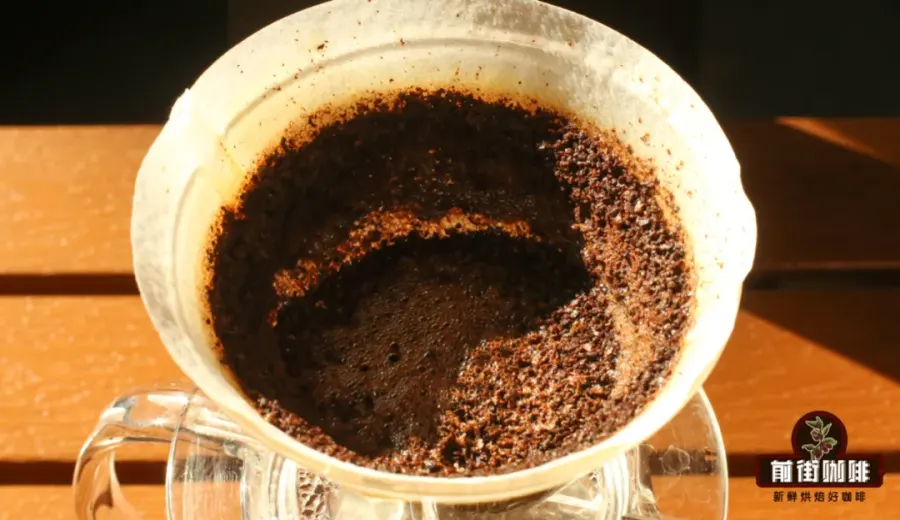
When the surface of the coffee bed is uneven, the coffee walls vary in thickness, or there are obvious fracture lines, these are often signs of imprecise pouring. While occasional mishaps may not necessarily ruin the cup, they can indeed reduce overall extraction quality and flavor balance. The image below shows a typical case of coffee bed stratification.
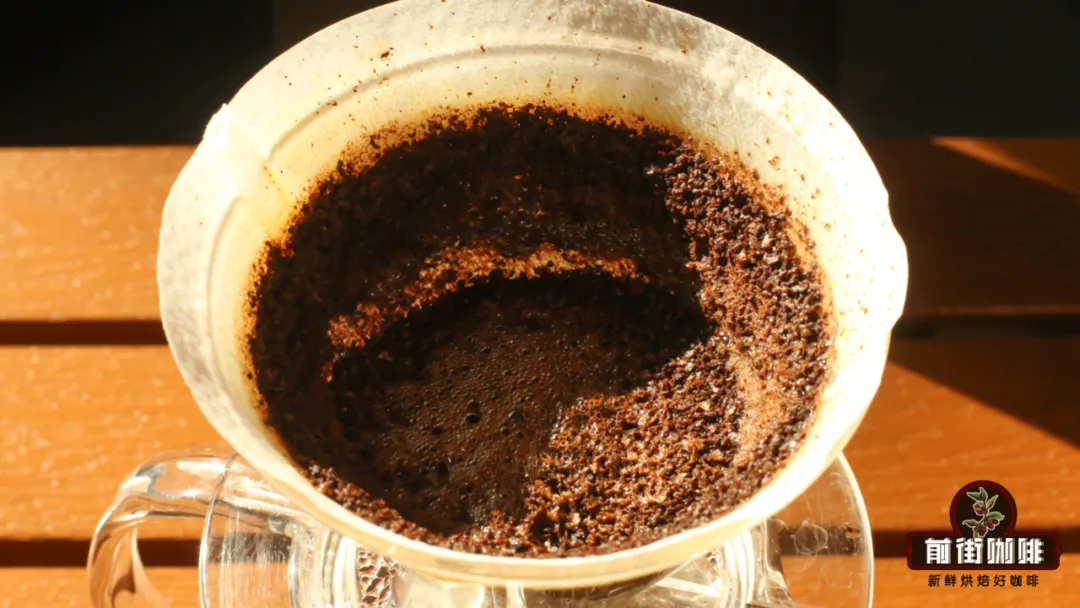
Upon closer inspection of this photo, you can see that although the coffee walls have built up to a certain height, a clear boundary line appears near the bottom between the walls and the bed, making the entire coffee layer appear as if it’s been “sliced,” forming two separate sections. This issue is a common challenge for many beginner pour over brewers—even those with some experience—and can occur even when strictly following brewing instructions, leading to final coffee flavors that fall short of expectations.
What exactly causes the coffee bed to split into two parts after pour over brewing? In fact, this is mainly related to the behavior of the water flow during the pouring process. There are two common causes, and these situations mostly occur during the final stages of multi-pour extractions. One scenario is when the water flow directly hits the coffee walls, causing the coffee grounds in that area to be dispersed or washed downward, resulting in a localized absence of coffee layer; another more common cause is when the water has too much penetration power—even without directly hitting the walls—it can break through the structure of the coffee layer beneath the surface, creating so-called “bypass water,” where some hot water flows directly into the server without being fully extracted.
When the pouring position is too high or the water flow rate is too fast, the water stream generates stronger penetration power. Even if the pouring path remains central or slightly circular, these high-penetration streams can still break through the hidden coffee walls beneath the surface, rupturing them and causing the overall coffee bed to separate. This not only affects the uniformity of extraction but also leads to the loss of some coffee extractables, thereby impacting the overall flavor expression.
The most direct impact of coffee bed stratification is the reduction in extraction yield and coffee concentration. When hot water fails to fully contact all coffee grounds, certain areas of coffee particles cannot effectively release flavor compounds, resulting in a final brew that lacks aroma, sweetness, and complexity. Additionally, because some water bypasses the main coffee layer, forming bypass water, it dilutes the already extracted coffee liquid, further affecting the overall taste balance.

To avoid coffee bed stratification during pour over brewing, you can make simple adjustments to your pouring technique. First, you can choose to narrow the pouring area by focusing the water flow on the central part of the coffee bed. Even with slightly higher pouring pressure, it’s less likely to directly hit and damage the fragile coffee walls. For example, during a three-pour pour over, you can concentrate the final pour in the exact center of the coffee bed, keeping the circular pouring motion within the size of a coin. This not only prevents the coffee walls from being broken but also promotes even extraction of the bottom coffee grounds, enhancing the overall flavor integrity.
Another simpler method is to reduce the intensity of the water flow. Since the penetration power of the water flow is mainly affected by the pouring height and speed, simply adjusting these two parameters can effectively reduce the chance of the coffee walls being ruptured. Generally, it’s recommended to keep the water column height around 3–4 cm—approximately the height of a fist. This height provides sufficient agitation while avoiding excessively high flow that generates overly strong penetration, which can lead to unnecessary bypass water. This height is also easier for beginners to manage, reducing the likelihood of operational errors.
In summary, although the aesthetic quality of the coffee bed doesn’t entirely represent the coffee’s flavor performance, it does reflect, to some extent, the details of your pouring technique. When you find that the brewed coffee’s flavor isn’t as expected, consider examining the state of the coffee bed and combining it with brewing parameters for a comprehensive assessment to identify potential issues. Through continuous adjustment and practice, you’ll gradually master more precise pouring skills, allowing every cup of pour over coffee to reach its optimal flavor potential.

The above content is compiled by CoffeeHunters, a coffee news website.


