







Introduction:The collaboration between Guming and Honkai: Star Rail sparked widespread discussion among players due to a severe shortage of merchandise. On the first day of the event, the number of people queuing on the mini-program exceeded 1.2 million, with many stores selling out within three hours, leading to high-priced resales of full sets of merchandise on second-hand platforms. Although the brand claimed the stock was the "largest ever," it still failed to meet player demand, and the collaboration ended early due to no restocking. This article analyzes the reasons and impacts of this marketing misstep.
The collaboration between Guming and the popular game Honkai: Star Rail, which was supposed to be a celebration for fans, turned into a brand image crisis due to insufficient supply of merchandise. On the first day, the number of people queuing on the official WeChat mini-program soared to1.2 million, and many stores sold out of their collaboration meal sets within just three hours, leaving a large number of players unable to purchase their desired items.
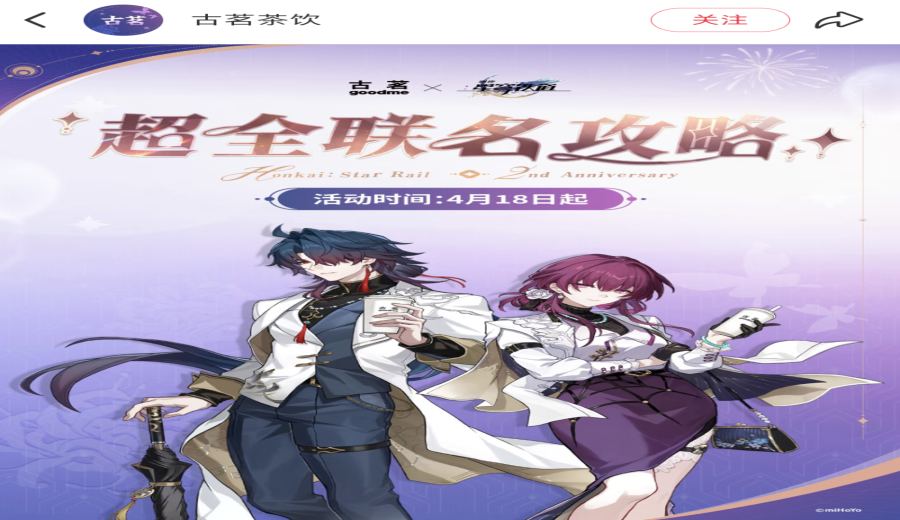
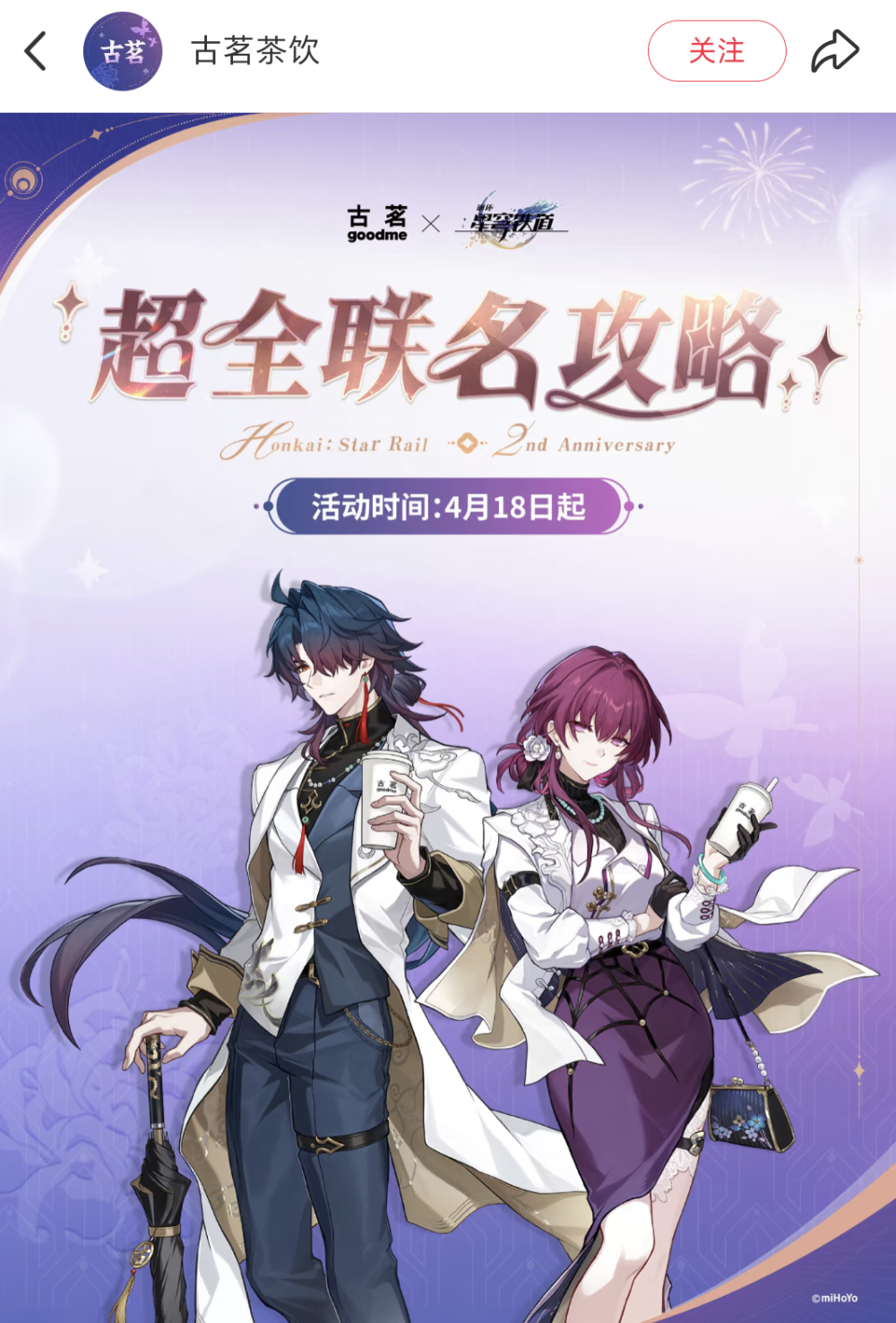
This collaboration featured two popular characters from the game, "Blade" and "Kafka," and launched two limited-edition drinks, along with premium merchandise including NFC chip badges, acrylic standees, and light-transmitting cards. The badge, which plays character voice lines when touched to a phone, particularly caught the attention of many players and became one of the key factors behind the surge in orders.
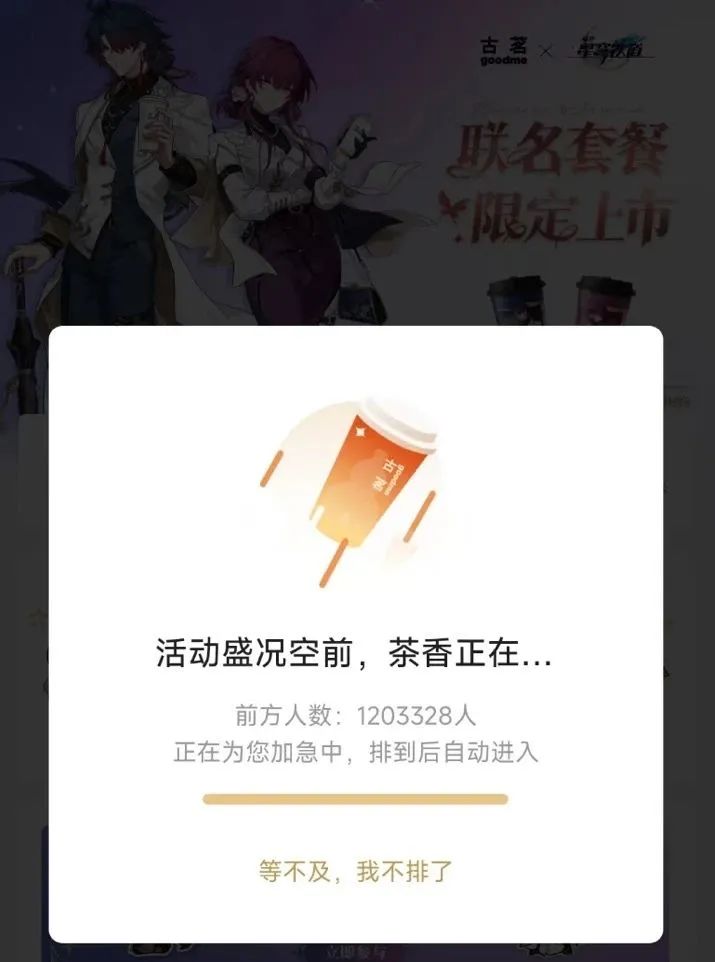
However, when players logged into the Guming mini-program promptly at 10 a.m. on April 18, what greeted them was not bubble tea or merchandise, but a continuously rising queue number—from "over 1 million people waiting ahead" to eventually "1.2 million." Social media quickly filled with screenshots of the mini-program failing to load or showing queue numbers exceeding one million, with many users reporting that the system crashed due to the sudden traffic surge. Orders were forcibly exited due to delays, requiring users to queue again, resulting in a very poor experience.
Although Guming responded quickly, claiming that they had urgently expanded capacity and that normal ordering to participate in the event was possible, this did not appease users' dissatisfaction. To make matters worse, offline stores also faced supply issues, with multiple cities reporting that "collaboration meal sets were sold out," especially the limited-edition merchandise, which almost disappeared immediately after going on sale. Some players said they waited in line for hours, only to be told at the store at noon that there was no stock, which was quite disappointing.
Although Guming claimed the stock for this collaboration was the "largest ever," on the first day, more than half of the 4,700 participating stores nationwide showed sold-out status within three hours of opening. Many southern cities even experienced a "sold out immediately upon opening" situation. Due to the shortage of merchandise, some stores even unilaterally canceled orders, creating an awkward situation where "the bubble tea was drunk, but the merchandise was missing."
Meanwhile, on second-hand platforms, complete sets of new collaboration merchandise appeared for sale, priced between80 and 298 yuan. This further upset many fans who failed to secure items, leading them to call for official restocking. As discussions heated up, the hashtag #GumingPleaseRestock# also gained widespread attention on Weibo.
Notably, the stock for this collaboration was onlyone-thirdof that for Guming’s previous collaboration with Love and Deep Space, clearly underestimating the purchasing power of Honkai: Star Rail players. Many netizens believe that the brand’s failure to conduct adequate market research and inventory planning beforehand was the main cause of the chaos.
What disappointed players even more was that many stores explicitly stated they would not restock after the first round of sell-outs, leading to the early end of the collaboration. A store owner revealed that the first batch of products was the company’s standard offering, which sold out quickly due to low stock. For any subsequent restocking, franchisees would have to bear the costs themselves, and most merchants were unwilling to do so due to low profits. Some even removed product links that included merchandise from the system, further shortening the event’s duration.
For gamers, the absence of merchandise significantly reduced the appeal of the collaboration; for Guming, although the collaboration brought huge traffic, the insufficient stock and operational missteps damaged the brand’s image in consumers’ eyes. This incident also serves as an important case study for reflection on collaboration marketing strategies in the coffee and tea beverage industry.
The above content is compiled by CoffeeHunters, a coffee news website.


