







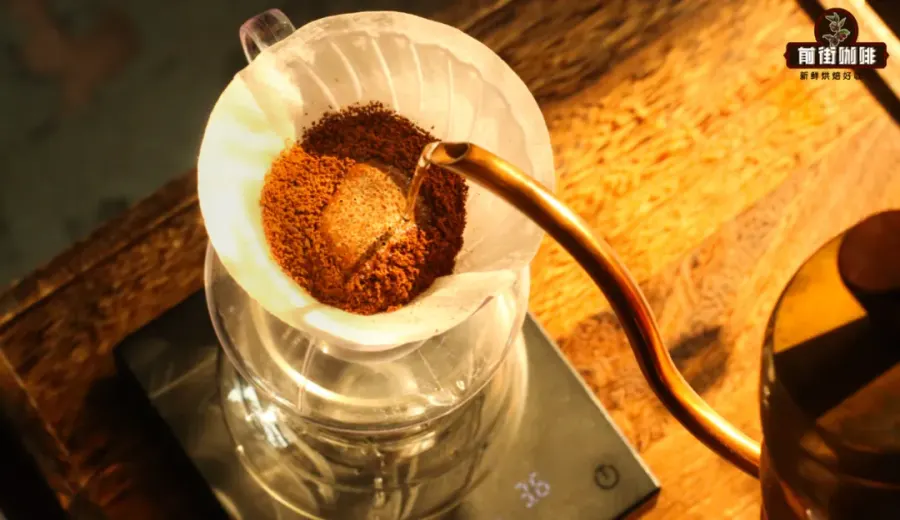
Introduction:The water temperature setting for pour over coffee is one of the key factors that influence flavor expression. Why do competition baristas prefer higher extraction temperatures, while the generally recommended range falls between 86°C and 93°C? This article explores the science behind how water temperature affects coffee dissolution efficiency, and shares the deep roast and light roast recommended temperature ranges derived from real-world testing of dozens of beans by a certain coffee brand. It also reminds readers to pay attention to the difference between the water temperature inside the kettle and the actual temperature at which it contacts the coffee grounds, as well as how pouring techniques impact heat loss, helping you precisely master the ideal extraction conditions.
During the pour over process, water temperature settings are often the most confusing aspect for beginners. When watching competition videos, it’s not hard to notice that the extraction temperatures used by baristas range from 94°C and above, yet general recommendations mostly fall between 86°C and 93°C. So which water temperature can brew the most ideal cup of coffee flavor? This question is almost a challenge every beginner has faced.
To solve this mystery, we first need to understand how water temperature affects the essence of coffee extraction. Simply put, coffee extraction is the process of using water as a solvent to dissolve soluble substances from coffee grounds. The level of water temperature directly determines the speed at which these substances dissolve—water molecules move more vigorously at higher temperatures, so the higher the temperature, the faster the dissolution rate; conversely, the lower the temperature, the slower the dissolution.
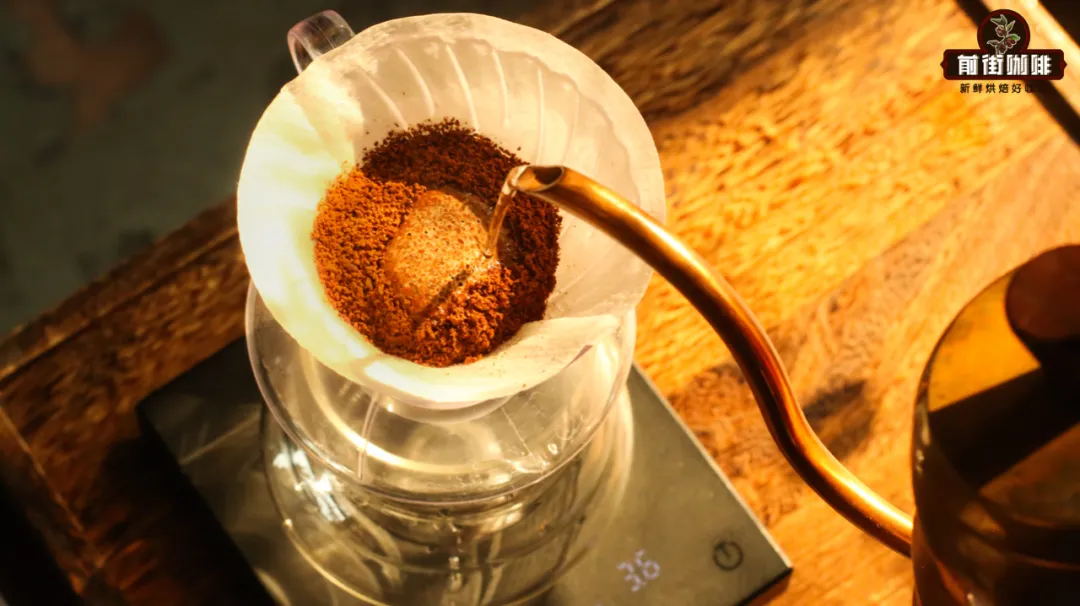
Take a common everyday example: when you use freshly boiled hot water to make instant coffee or powdered drinks, those components often dissolve completely in an instant; if you switch to warm water, although some components will dissolve quickly, many still require stirring to fully dissolve; and if you use cold water, even with vigorous stirring, it may be difficult to fully dissolve all the components. This everyday phenomenon intuitively demonstrates the significant impact of water temperature on dissolution efficiency.
In coffee extraction, water temperature not only affects dissolution speed but is also directly related to flavor expression. In addition to the aromas and flavor compounds we love, coffee beans also contain components that may bring bitterness, off-flavors, or astringency. Therefore, if you hope to brew a cup of coffee with balanced and enjoyable flavors, you must precisely control extraction parameters to avoid releasing too many negative substances.
It’s worth noting that factors affecting coffee extraction efficiency are not limited to water temperature; grind size, brew time, and brew ratio also play critical roles. Therefore, the coffee brand does not recommend using a single fixed water temperature for all types of coffee beans, as doing so not only limits flavor possibilities but also increases operational complexity.
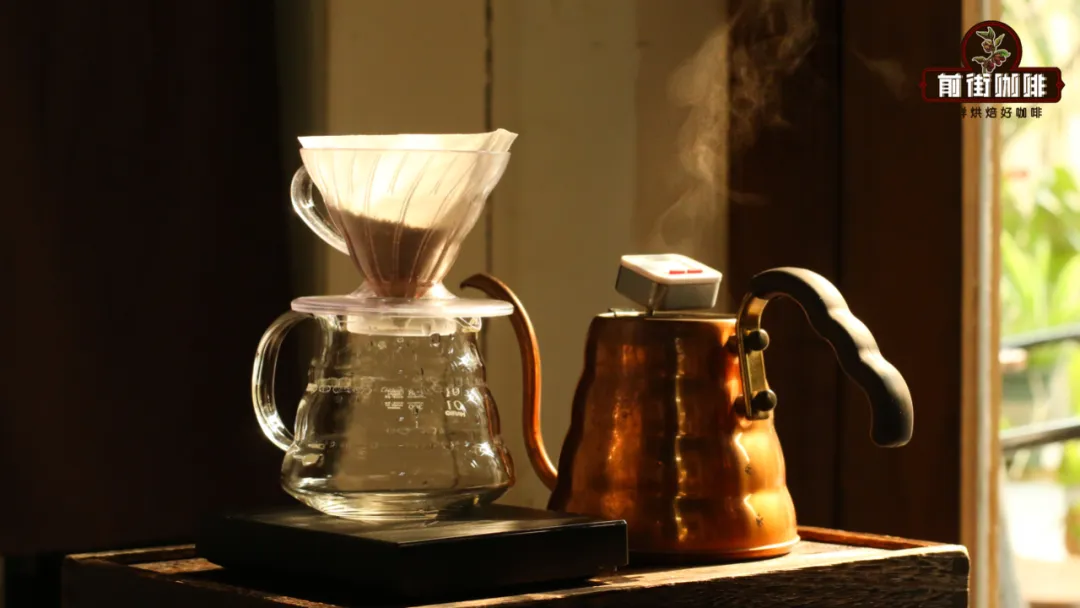
So, how do you find the most suitable water temperature for the current coffee beans? The brand suggests first fixing other parameters, including grind size, brew time, and brew ratio, then trying different water temperature settings, and ultimately determining the optimal water temperature based on actual tasting results. Generally speaking, the water temperature should not be lower than 84°C, as overly low temperatures may result in insufficient extraction efficiency, making it difficult to fully release the desirable compounds in the coffee.
Taking practical experience as an example, the coffee brand divided the dozens of beans on its menu into two major categories: dark roast and light roast. When designing brewing recipes, all parameters except water temperature were kept the same: a grind setting of 20-mesh sieve with 80% sieving rate (actual grind size may vary slightly depending on bean brittleness), a brew time set to 2 minutes, and a brew ratio maintained at 1:15. On this basis, only the water temperature was adjusted for brewing tests, and the final recommended water temperature range for dark roast coffee was found to be 86°C to 89°C, and for light roast coffee, 90°C to 93°C. These two sets of values are the optimal water temperature ranges obtained through multiple tests under the above fixed parameter conditions.
Of course, if you are using a grinder different from others, even with the same bean variety, the resulting particle size may differ, so it’s recommended to fine-tune according to your own equipment to find the most suitable brewing water temperature.
Additionally, many people may consider adjusting other parameters, such as grind size, when pursuing ideal extraction. By fixing all variables except grind size and then adjusting based on actual flavor performance, this is also a viable method. However, there are more details to pay attention to when adjusting grind size, and it’s recommended to do so under the guidance of experienced individuals to avoid affecting overall extraction balance.
Finally, there is a commonly overlooked but extremely important detail: the water temperature we usually discuss refers to the temperature of the hot water inside the pour over kettle, not the actual temperature of the water that contacts the coffee grounds. Once the hot water pours out of the kettle spout, it loses some heat due to contact with air, the filter cone, and the coffee grounds, so the actual temperature that reaches the coffee bed is often slightly lower than the temperature measured inside the kettle.
This seemingly small temperature difference actually has a non-negligible impact on extraction efficiency. For example, if you’re using a ceramic filter cone and haven’t preheated it, the cone itself may absorb a significant amount of heat, further lowering the actual temperature at the coffee layer. Moreover, many coffee enthusiasts habitually pour from a greater height to increase the impact force of the water stream, believing this can enhance extraction efficiency. However, excessive pouring height increases the surface area of contact between the hot water and air, accelerating heat loss, which may instead affect the uniformity of extraction and flavor expression.
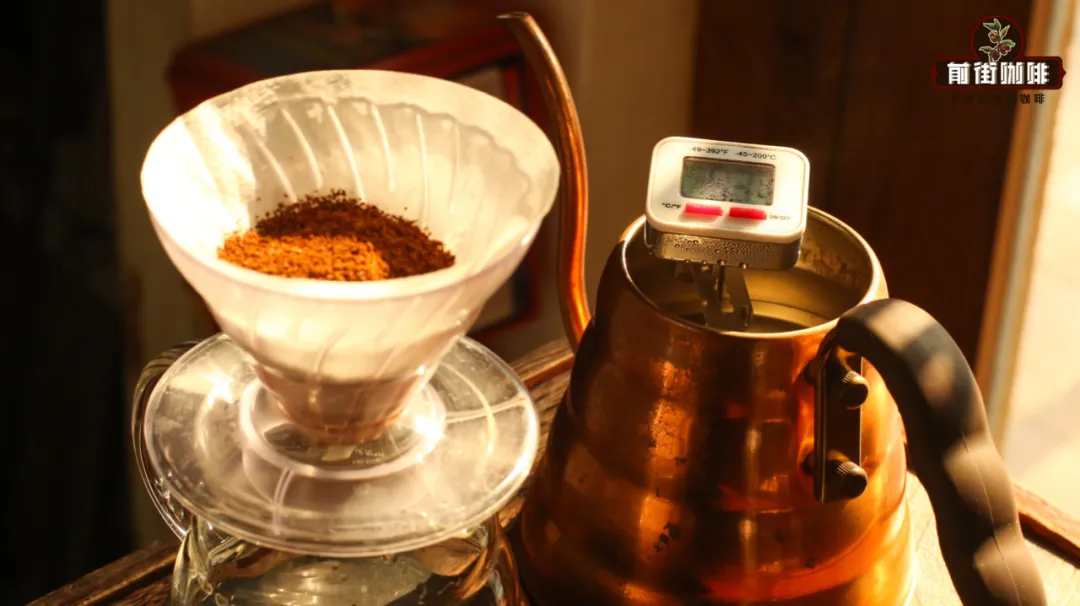
Therefore, in the pursuit of precise extraction, in addition to paying attention to the kettle water temperature setting, you should also be mindful of the actual water temperature that contacts the coffee grounds. While there's no need to use professional instruments to measure the temperature at the coffee bed, controlling the pouring height is a simple yet effective method—It is recommended to keep the pouring height within about the height of a fist, which helps reduce heat loss and ensures stability and consistency in the extraction process.
The above content is compiled by CoffeeHunters, a coffee news website.


