








Introduction:Want to simplify your pour over process without sacrificing flavor? The one-pour brewing method skips the bloom and completes extraction with a single pour, offering a minimalist solution many coffee enthusiasts seek. This article dives deep into its principles, how it differs from the one-pour flow method, and provides practical tips including key parameters like coffee-to-water ratio, water temperature, grind size, and timing. We also include a full walkthrough and flavor profile of a tested Colombian Geisha, helping you evaluate if this method suits your brewing style.
Most pour over routines begin with a bloom phase, where carbon dioxide is released to enhance subsequent extraction efficiency. However, in 2019, Tetsu Kasuya—2016 World Barista Championship winner—introduced the "one-pour" technique, completely eliminating the bloom step to streamline extraction. While superficially similar to the commonly known one-pour flow method, the one-pour technique differs fundamentally: the latter splits pouring into two phases (including bloom and main extraction), whereas the one-pour method pours all hot water at once for a more streamlined process.

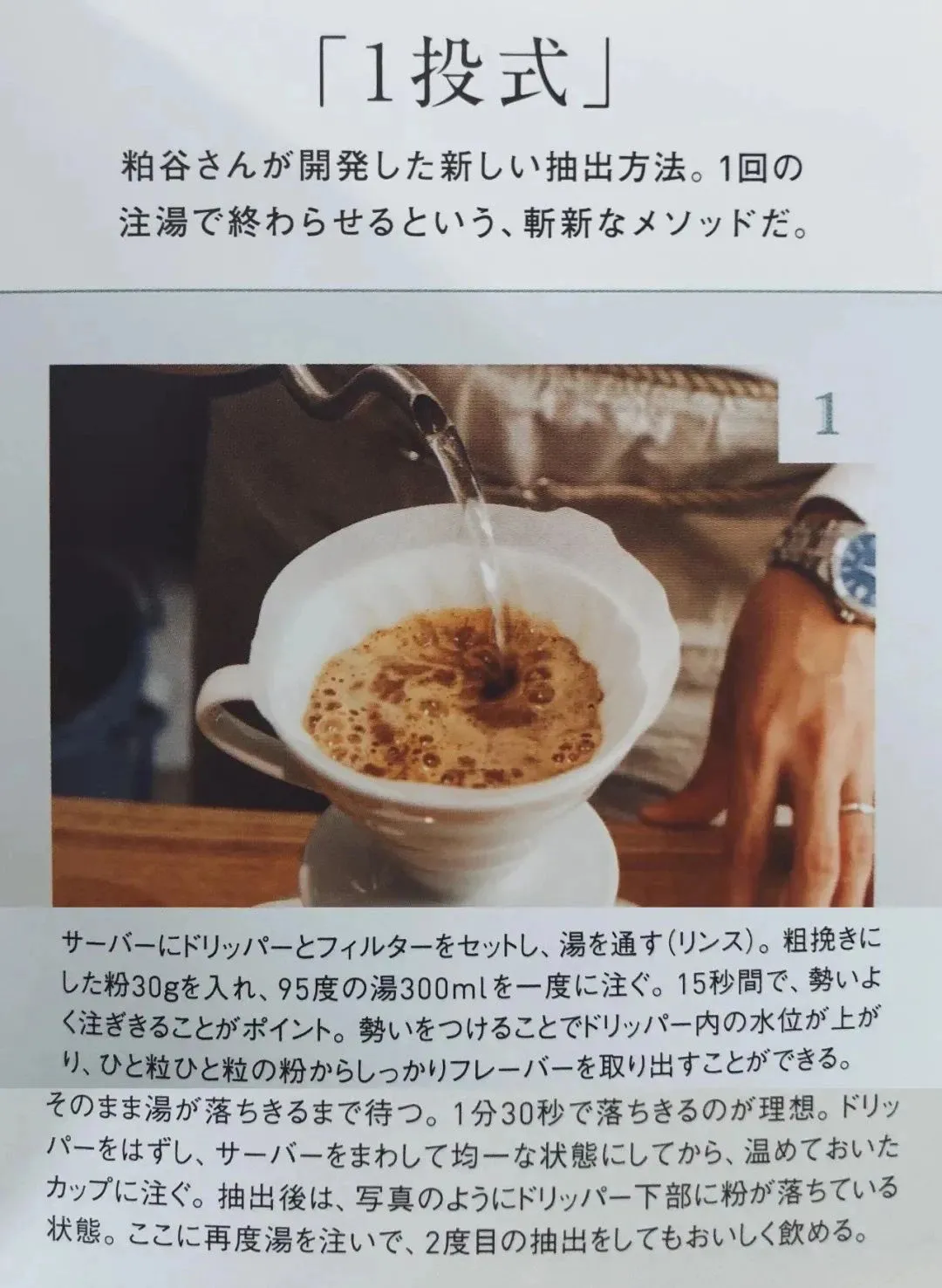
As the name suggests, the one-pour method means "pouring all water in one go," adding the total intended water volume in a single pour. Though the term is similar to the one-pour flow method, their extraction logics are distinct: the one-pour flow method breaks down the pouring rhythm, while the one-pour method aims for high concentration and short extraction time. According to Japanese coffee magazine CAEFRS, Tetsu Kasuya’s demonstrated parameters were: using a V60 filter cone (model 02), 30g of coffee grounds, a 1:10 coffee-to-water ratio, 95°C water temperature, an extremely fine grind, and pouring 300ml of hot water within 15 seconds, aiming for an ideal extraction time of about 1 minute and 30 seconds.
This technique follows a classic "high concentration, low extraction" strategy: by increasing coffee dose and reducing water volume, it relies less on high extraction yield and instead enhances flavor intensity through concentration. The fine grind and high water temperature settings ensure effective extraction in a short time, eliminating the need for a bloom phase. Additionally, due to the short pouring duration, precise water control is unnecessary—just pour in a steady circular motion with a strong stream, significantly lowering the skill barrier.
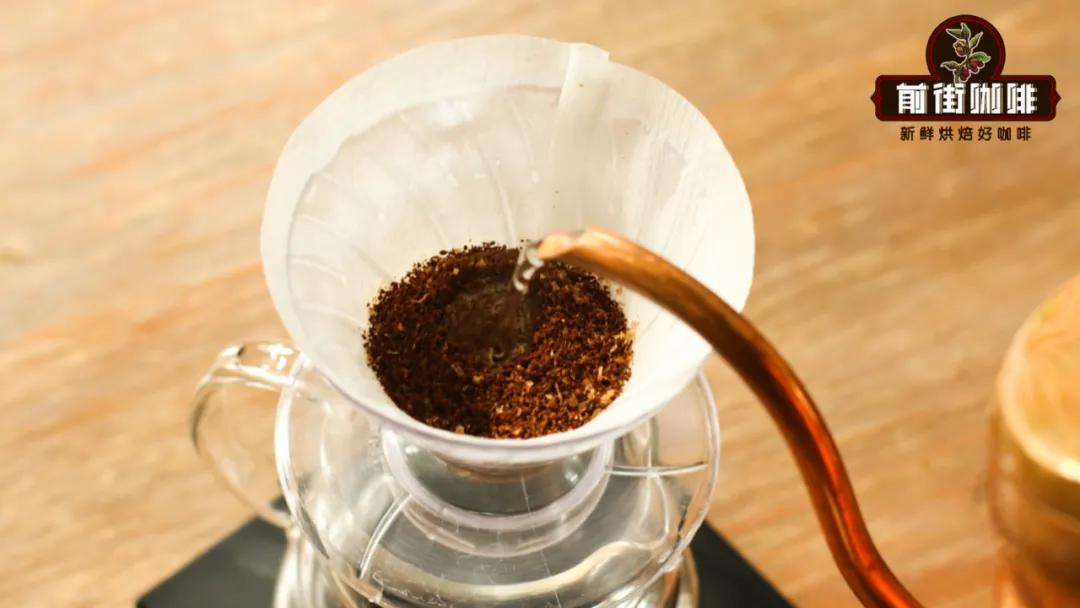
Although the one-pour method is intuitive, several details deserve attention during application. First, filter cone selection is crucial: since all water is poured at once, it's recommended to use a V60 model 02 or larger (adjust based on coffee dose) to avoid difficulty pouring due to insufficient capacity. Second, regarding bean roast level, while it works for various roast degrees, medium to light roasts better highlight bright flavors, whereas dark roasts’ richness and aftertaste are harder to emphasize with this technique.
Grind size should be adjusted based on actual extraction results: if under-extracted (e.g., weak, lack of layers) or extraction time is too short, grind finer; if bitter or extraction time is too long, grind coarser. For pouring direction, maintain a consistent circular motion to ensure even extraction and avoid channeling or clogging at the bottom.
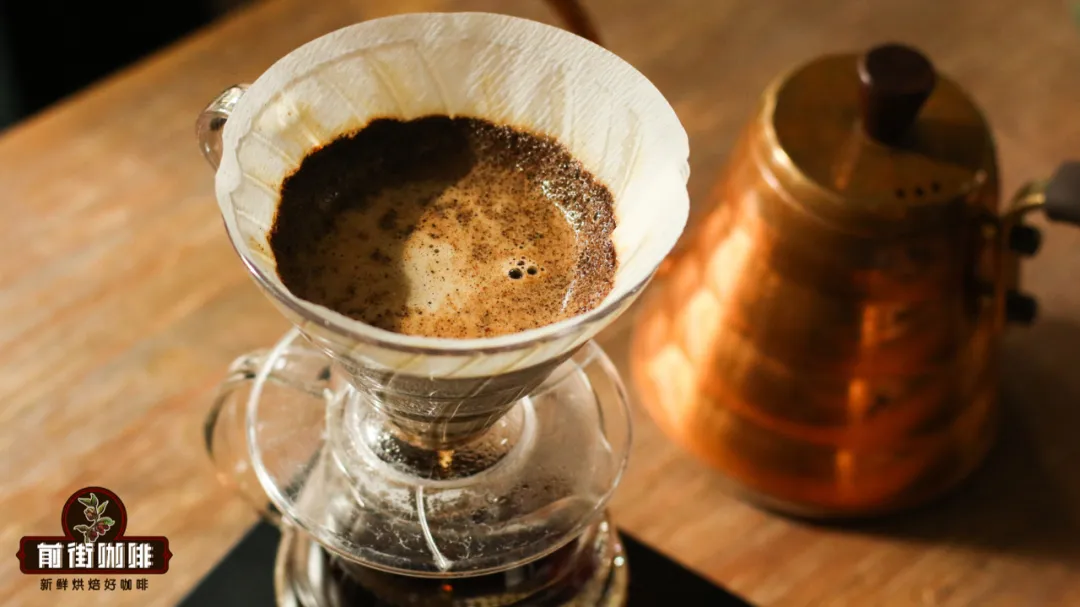
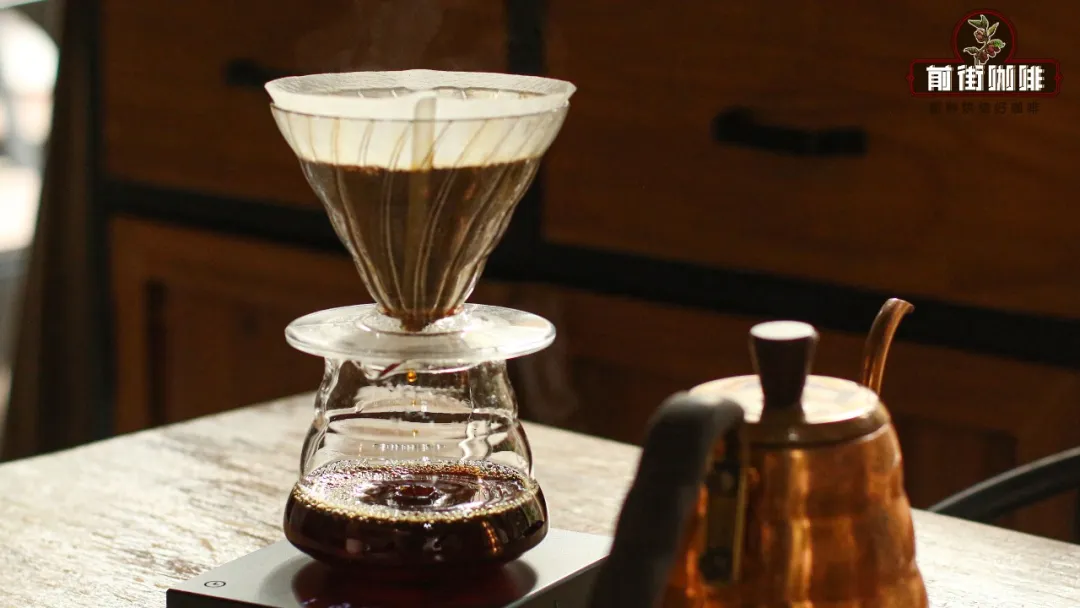
Below is a full walkthrough of a tested one-pour method: This session used a Colombian Hope Estate Geisha, a honey-processed medium-light roast bean. The honey process leaves sugar on the bean surface, leading to more caramelization during roasting and improved extraction efficiency. Parameters included 20g coffee, 1:10 coffee-to-water ratio, 95°C water temperature, and a grind size of 7 on the Ek43 grinder (finer than the usual 9.5, close to caster sugar texture), paired with a V60 model 02 filter cone.
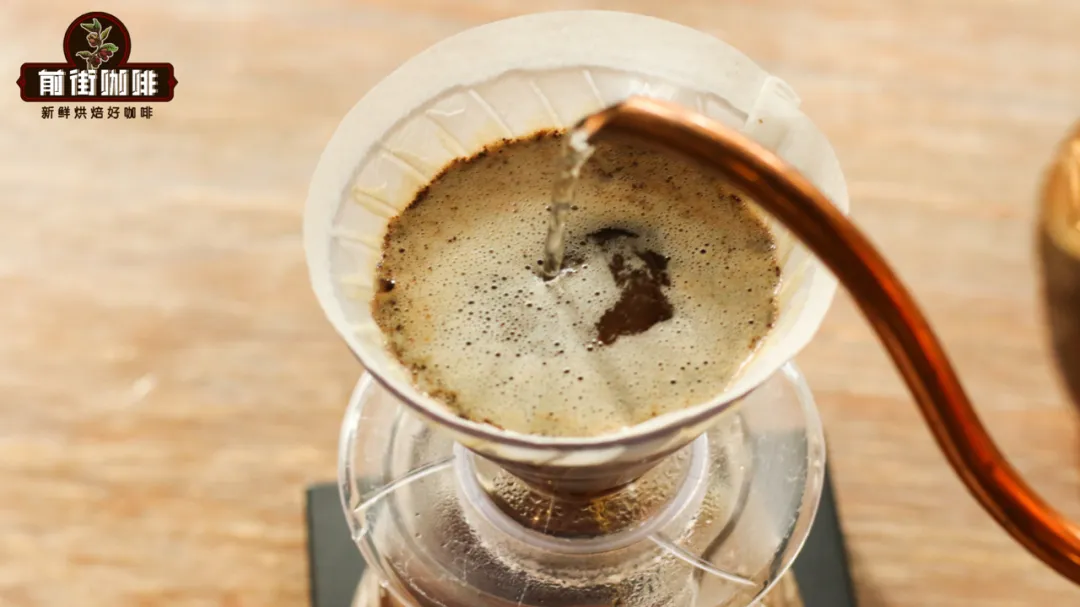
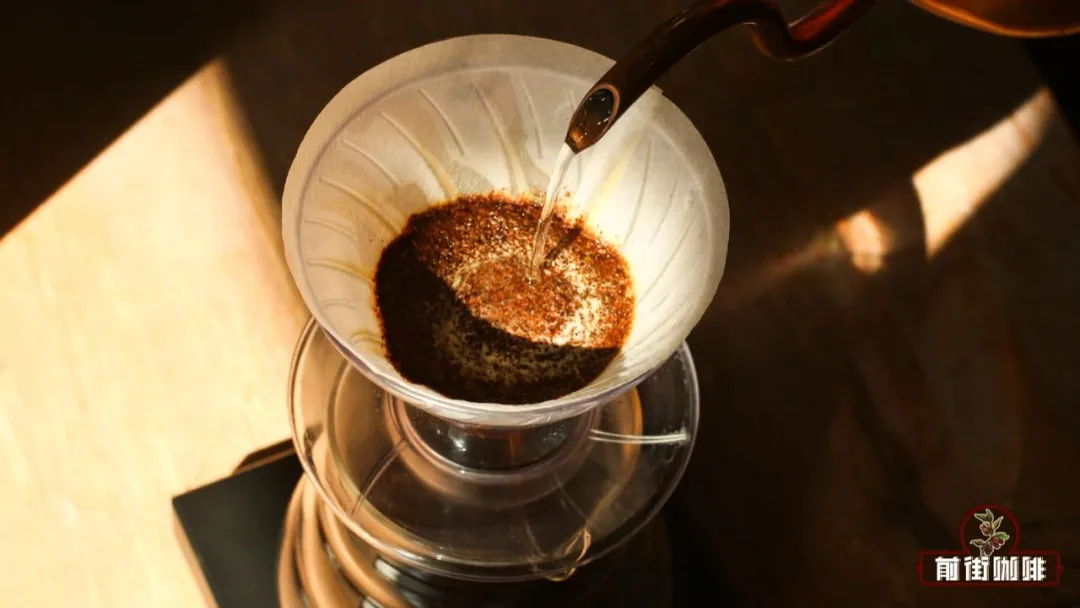
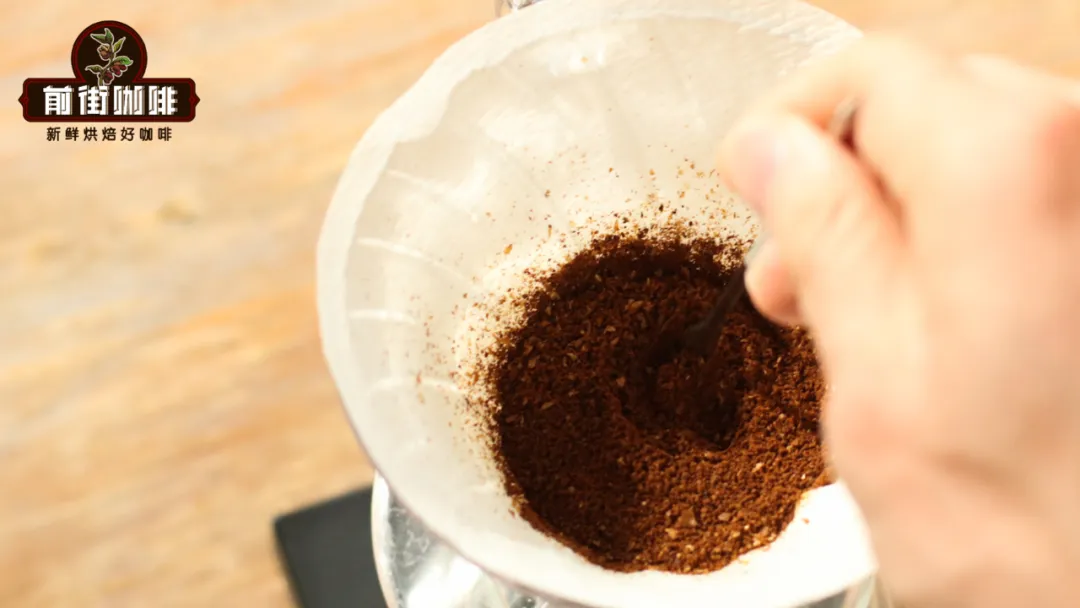
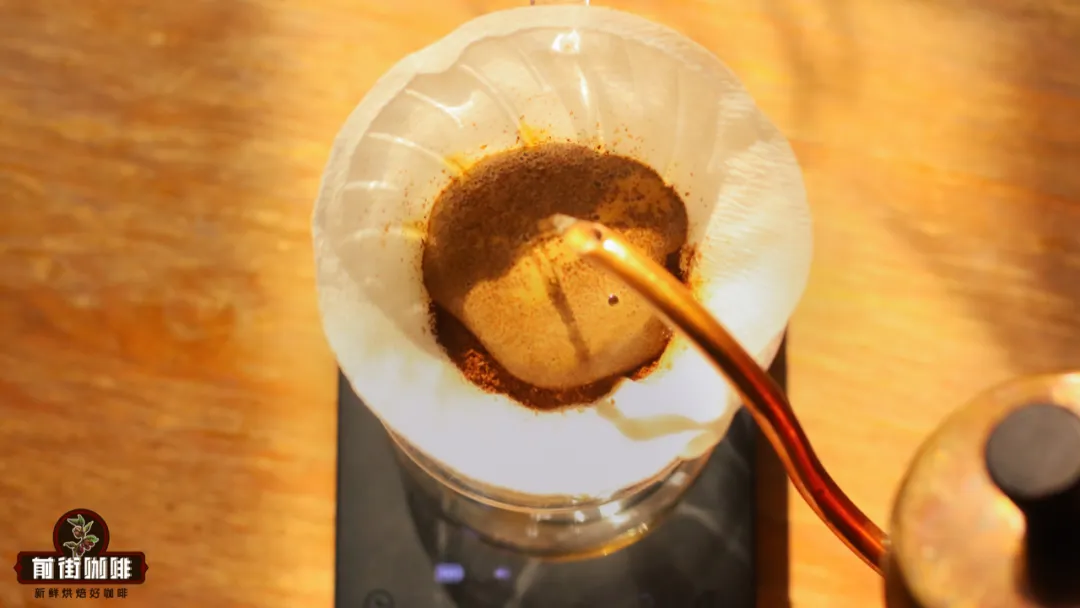
Steps as follows: First, place the coffee grounds in the filter cone and "scoop" a small well in the center of the coffee bed to help hot water evenly reach the bottom grounds. Then, pour in a strong circular motion resembling a mosquito coil—starting from the center and expanding outward, briefly pausing at the outer edge before returning inward, repeating this to ensure all 200ml of hot water is poured within 15 seconds. After pouring, let the coffee drip through, with total time around 1 minute and 36 seconds, close to Kasuya’s recommended ideal duration.
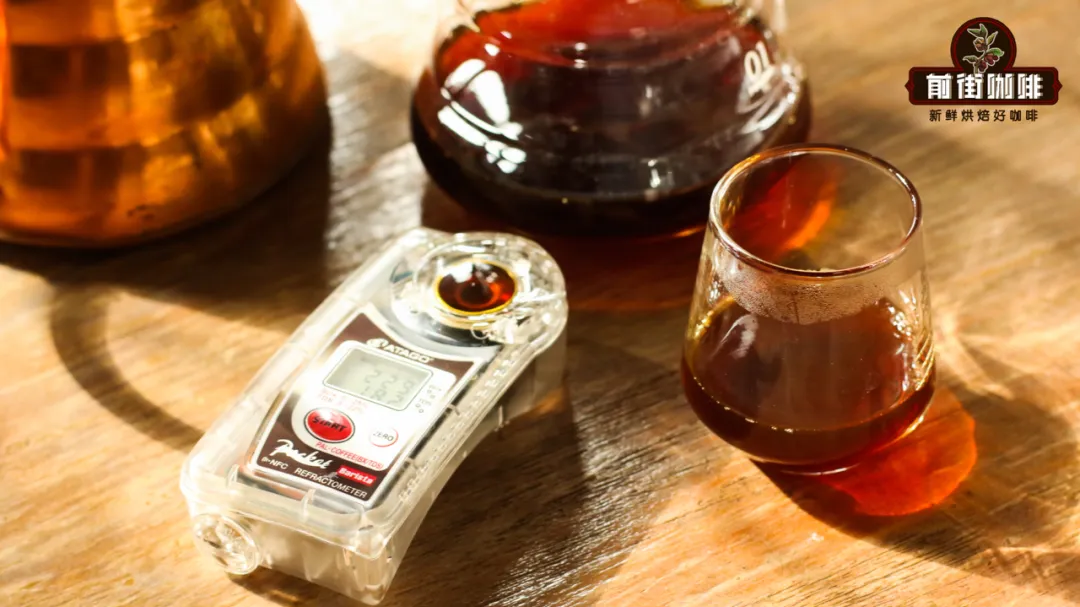
In terms of flavor, this cup exhibited distinct notes of grape, rose, and berries, with a tea-like finish. The acidity and sweetness were well-balanced, and the mouthfeel was smooth. Measured by a concentration meter, the coffee had a 1.82% TDS and 16.1% extraction yield, falling squarely within the high-concentration, low-extraction range. Notably, despite the 1.82% concentration, it didn’t taste overly intense or bitter—instead, the flavors were vivid and easy on the palate, proving this method effectively balances concentration with extraction quality.
Overall, the one-pour brewing method suits coffee lovers seeking a simplified process and who want to skip the bloom step. By mastering key points like filter cone choice, bean roast level, grind adjustment, and pouring direction, even beginners can quickly get the hang of it. If you’re tired of traditional pour over’s multi-step routine, give the one-pour method a try and explore the flavor possibilities of minimalism.
The above content is compiled by CoffeeHunters, a coffee news website.


