







Introduction:Many beginners trying out pour over coffee often skip purchasing an electronic scale to save on budget, opting instead to estimate coffee dosage with everyday spoons. However, due to differences in spoon shapes and capacities, as well as variations in coffee bean density caused by roast levels, the weight of one spoonful is not consistent. This article presents measured data from four common household spoons and four roast levels of coffee beans, compiling approximate weights per spoon before and after grinding, and offering reference spoon counts for 15 grams of coffee beans and coffee grounds to help you accurately control your coffee powder amount.
Many novice enthusiasts entering the world of pour over coffee often choose to skip professional tools like electronic scales or thermometers to control expenses, turning instead to common household spoons to roughly estimate coffee dosage. However, each spoon varies in size and depth, and the density of coffee beans also changes after undergoing different roast levels. As a result, there is no unified standard for the actual weight carried by one spoonful of coffee beans or coffee grounds.
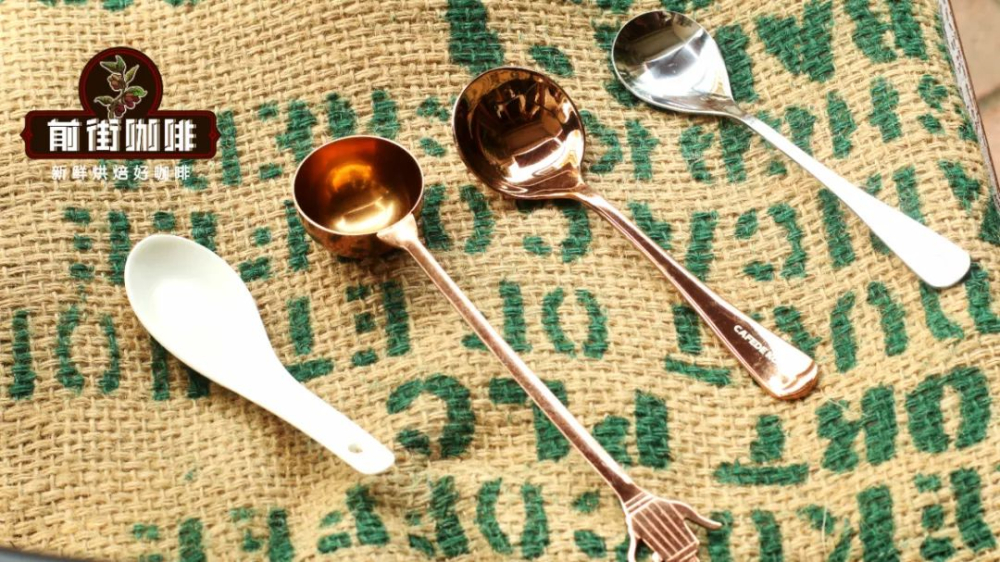
To address this common issue, we specifically selected four types of commonly used household spoons for testing, including a ceramic soup spoon for soup, a general small stainless steel spoon, a professional cupping spoon, and the bean spoon that comes with purchased utensils. These spoons have different capacities and shapes. We applied them to four different roast levels of coffee beans—light roast, medium-light roast, medium-dark roast, and dark roast—and weighed them before and after grinding, recording detailed data to help you roughly estimate the required amount of coffee powder even without an electronic scale.
When first exploring the world of pour over coffee, many beginners adhere to the principle of saving and believe that non-essential equipment such as thermometers or electronic scales can be temporarily ignored as long as a cup of coffee with acceptable taste can be brewed. However, the lack of accurate measuring tools often leads to imprecise coffee powder dosage, which in turn affects overall extraction and flavor performance.
In the absence of an electronic scale, many people habitually use everyday items for estimation, with the most common substitute being the spoon found in every kitchen, commonly referred to as a “匙羹” in Cantonese-speaking regions. Although spoons, as tableware, are very common in daily life, due to differences in individual usage habits and preferences, the spoons chosen may vary significantly in appearance, shape design, and depth, resulting in inconsistent amounts scooped each time.
To provide a more practical and referential solution, this test selected four representative types of coffee beans, representing light roast (such as If Ding Ding), medium-light roast (such as Mozart), medium-dark roast (such as Paradise Bird), and dark roast (such as Golden Mandheling). For these four different roast levels of coffee beans, we used the four aforementioned spoons to weigh them before grinding and after being ground into powder, organizing the results into a detailed comparison chart so readers can quickly estimate the number of spoonfuls close to their target powder amount based on their type of spoon and the roast level of their coffee beans.
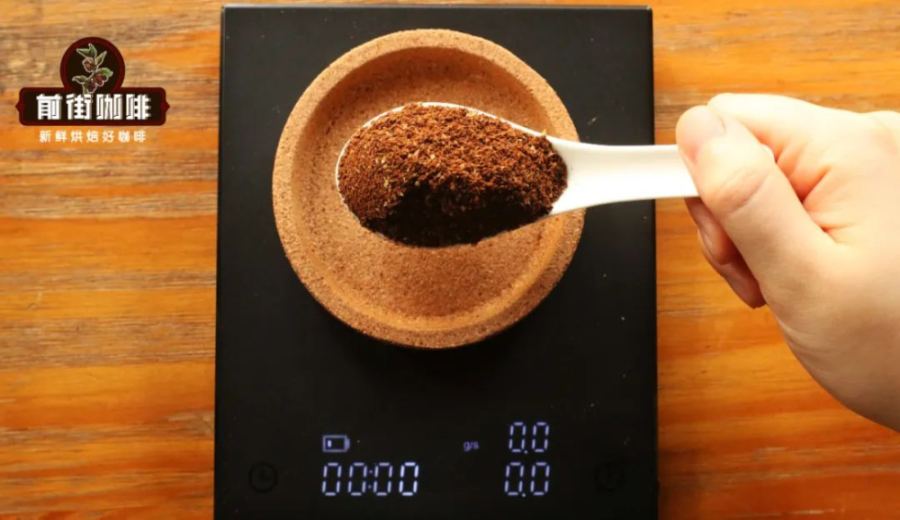
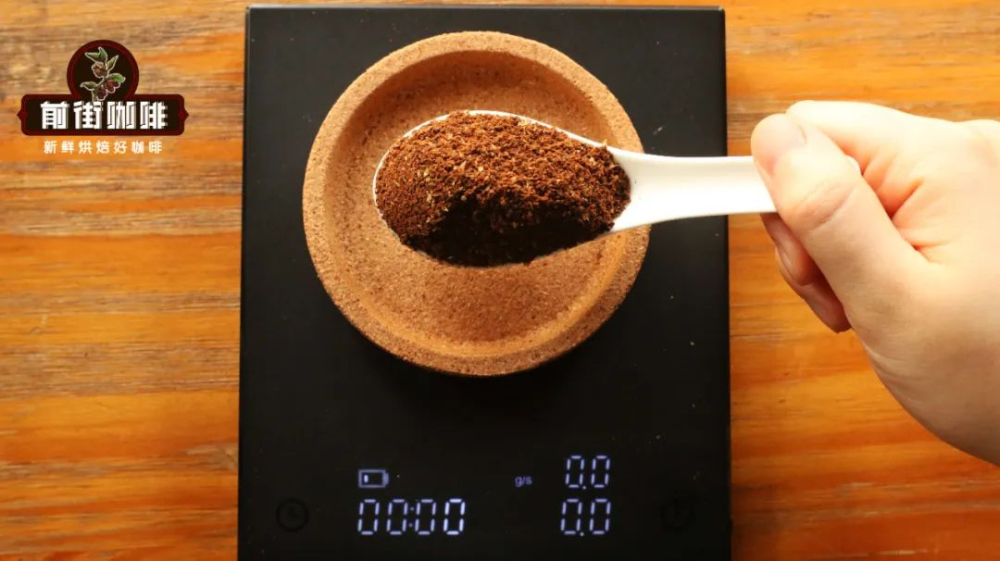
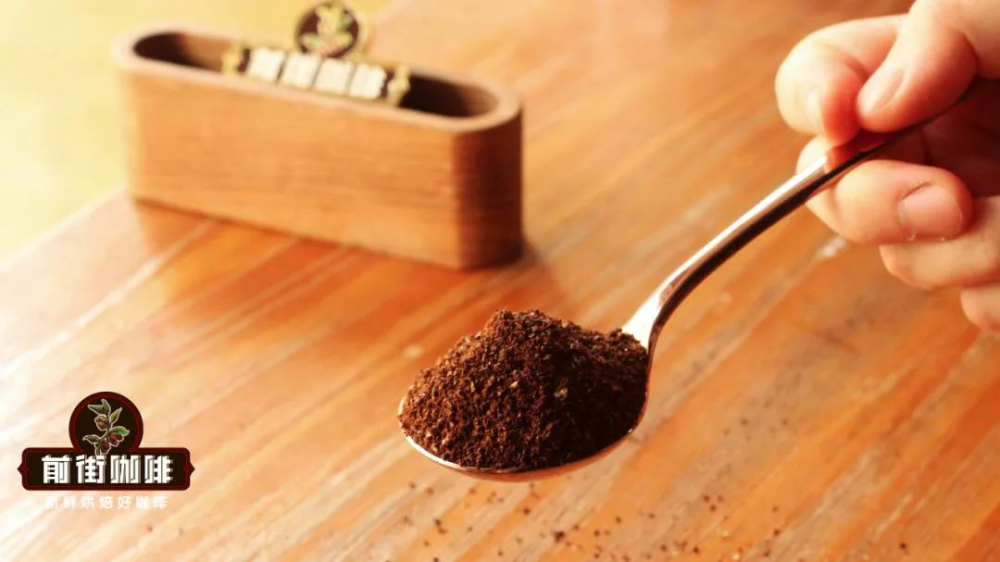
It’s worth mentioning that before conducting the weighing tests, to ensure the reference value of the measurement results, we first reached a consensus definition of what constitutes a “full spoon.” When measuring unground coffee beans, we aimed to fill the spoon tightly with beans. For coffee powder, we adopted a method similar to how cafeteria workers lightly shake or tap when serving meals, allowing the powder to naturally pile up to a slightly arched level. This approach more accurately reflects the actual powder quantity used during brewing.
Through actual testing, we obtained the approximate weight per spoonful for each type of spoon, whether dealing with whole beans or ground powder, across different roast levels of coffee beans. These data not only reveal the impact of roast level on coffee bean density but also offer a practical method for estimating powder quantity based on the spoon used and the roast level of the coffee beans when an electronic scale is not available.
For example, if you purchase a Huakuai 8.0 coffee bean with flavor notes described as passion fruit, floral, and berries—flavors that typically suggest a light to medium roast processing—if your at-home powder scooping tool is a small stainless steel spoon, when weighing the coffee beans, each spoonful can hold about 5 grams. In this case, just 3 spoonfuls can easily bring the powder amount close to the ideal range of 15 grams. If the coffee beans are already ground into powder, each small spoonful weighs about 4 grams, so filling it 4 times will achieve approximately 16 grams of coffee powder, very close to the target value.
With such simple conversions, even without professional measuring tools, you can reasonably estimate and adjust the amount of coffee powder needed for each brew based on the type of spoon you use and the roast level of the coffee beans, thereby improving the overall quality and consistency of your pour over coffee.
The above content is compiled by CoffeeHunters, a coffee news website.


