








Introduction:Hot Americano is often described as tasting like bitter Chinese medicine, especially when compared to iced Americano, where the bitterness becomes even more pronounced. What exactly makes hot Americano taste more bitter than iced Americano? The key lies in temperature, concentration, and the inherent characteristics of the coffee beans along with the brewing method. This article will delve into the factors that influence the bitterness of hot Americano—from bean variety selection, roast level, adjustment of brewing parameters, to fine particle handling techniques—offering practical suggestions for improvement to help you brew a smoother, more balanced-tasting hot Americano.
Hot Americano is often perceived as having a strong, even astringent herbal flavor, sometimes jokingly compared to the taste of "traditional Chinese medicine" or "cooling tea." Especially during winter when demand for hot drinks rises, this bitterness can be off-putting. In contrast, iced Americano, being served at a lower temperature, has a relatively milder bitterness and a fresher flavor, making it a favorite for many. However, when the weather turns cooler, a warm cup of coffee remains a beloved choice for many. So, is it possible to adjust the brewing and formulation of hot Americano to make it less bitter and more palatable?
The answer is yes. The reason hot Americano tends to be more bitter than iced Americano mainly stems from two sensory factors: higher temperatures enhance the taste buds’ sensitivity to bitterness, while greater coffee concentration leads to a more intense flavor, amplifying the bitterness. But these are just external conditions affecting how we perceive bitterness. The real core factors determining whether a hot Americano tastes overly bitter lie in the choice of coffee bean variety, roast level, and the specific brewing method and parameters used.

Many people tend to choose dark roasted beans because they not only withstand extraction well but also pair more easily with milk, making them suitable for milk-based drinks like lattes. However, when using such beans to make pure hot Americano, they often release excessive roasted and bitter substances, leading to an imbalanced overall flavor with prominent bitterness. If your goal is to brew a smooth and easy-to-drink hot Americano, it’s recommended to prioritize medium-dark or medium-roasted coffee beans, which can retain a rich coffee foundation without letting bitterness dominate.
If you prefer a stable flavor profile with notes of nuts and caramel, you can opt for slightly darker blends, such as the common black cocoa-based blends. These beans typically offer a steady flavor with subdued bitterness, making them suitable for daily consumption. If you’d like to add a touch of fruity character without too much bitterness, you can choose a low-acidity, cost-effective Hua Kui single-origin espresso blend. It can showcase multiple layers of flavor without making the hot Americano overly sharp. Additionally, specialty blends like strawberry sugar, which achieve a balanced acidity, sweetness, and bitterness through careful blending, are also great choices for both milk-based coffee and plain hot Americano.

If your aim is to highlight a brighter, fruitier, and more acidic flavor profile in your hot Americano, you can expand your bean selection to include medium-light roasted beans, particularly those from well-known origins such as Ethiopia, Panama, or Colombia. Coffees from these regions often feature distinct floral and fruity notes, with vibrant and layered acidity, making them ideal for drinkers who prefer a refreshing taste. However, such beans are generally more expensive and require stricter control over extraction techniques, so it’s advisable to attempt them after gaining some experience with brewing.
Selecting the right coffee beans is just the first step—the brewing approach that follows is equally crucial. Many coffee shops increase the extraction rate to ensure the coffee flavors can cut through the heaviness of milk, resulting in more bitter substances in the coffee and thus balancing with the milk. But if you’re only making hot Americano and don’t need to consider pairing with milk, you can adjust your extraction strategy more flexibly to avoid over-extraction, which leads to excessive bitterness.
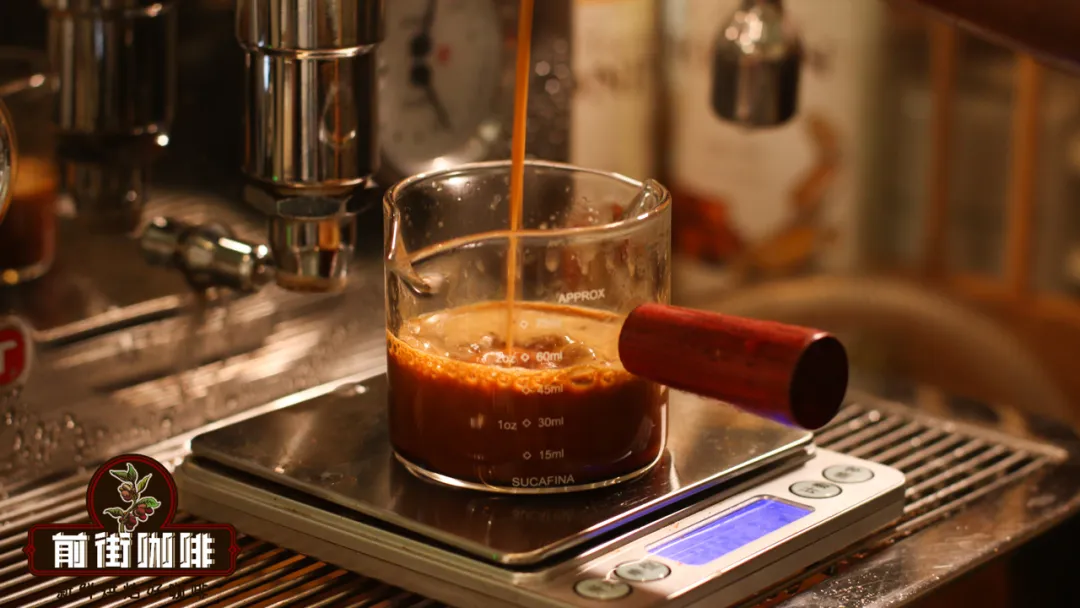
For example, using the “Ristretto” extraction method—i.e., extracting with a smaller amount of water, focusing on the first part of the shot with medium to high concentration—can effectively reduce impurities and over-extracted bitterness in the tail end, resulting in a concentrated base with a more pronounced sweetness and a cleaner mouthfeel. When this concentrated liquid is diluted with hot water to make Americano, the overall flavor will be more balanced, and the bitterness will be significantly reduced. It’s important to note that Americano is essentially concentrated coffee diluted with hot water, so the concentration level of the concentrate itself isn’t the key; the focus should be on effectively controlling the balance of extraction to avoid releasing too many bitter and astringent substances.
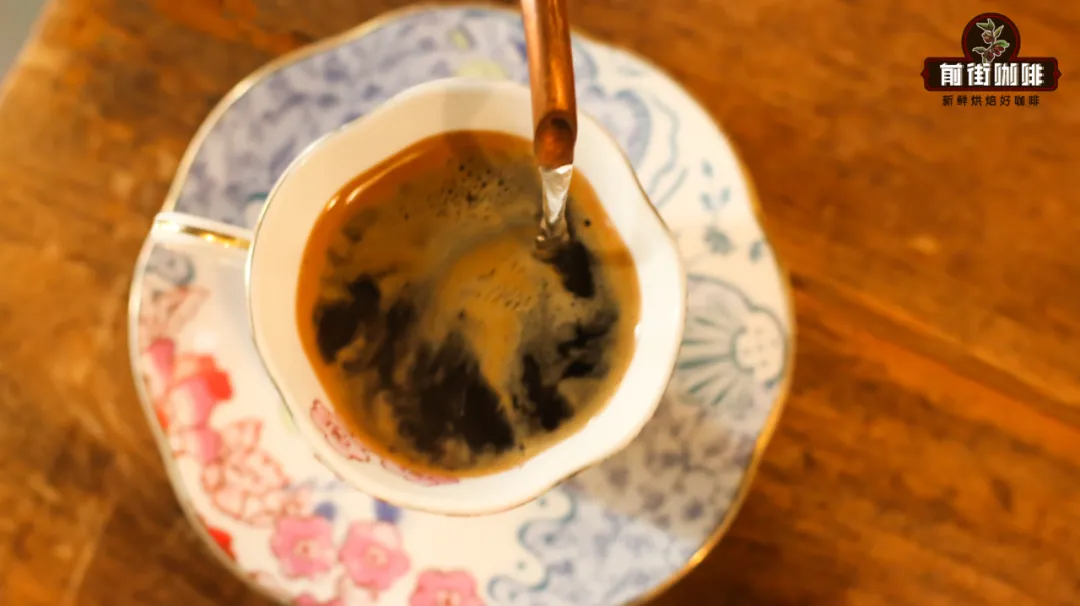
Beyond the choice of beans and brewing method, managing fine particles is another critical factor influencing the bitterness of hot Americano. During the standard espresso machine extraction process, due to the limitations of the portafilter basket’s holes, some overly fine coffee particles may be extracted along with the coffee oils and enter the cup. While these extremely fine coffee particles help enhance the body and richness of the mouthfeel, they are also one of the main sources of bitterness and off-flavors.
To reduce the fine particle content in hot Americano, you can try placing 1 to 2 round filter papers at the bottom of the portafilter basket. This can effectively filter out some fine particles, thereby reducing the intensity of bitterness. Although this approach has a limited impact on flavor complexity, it can make the overall mouthfeel smoother. Another method is to filter the brewed coffee again with filter paper after extraction, which can more thoroughly remove fine particles and residual oils. However, this process is more cumbersome and may sacrifice some of the coffee’s aftertaste and complexity. Whether to use these methods can be decided based on personal taste preferences and practical convenience.
The above content is compiled by CoffeeHunters, a coffee news website.


