







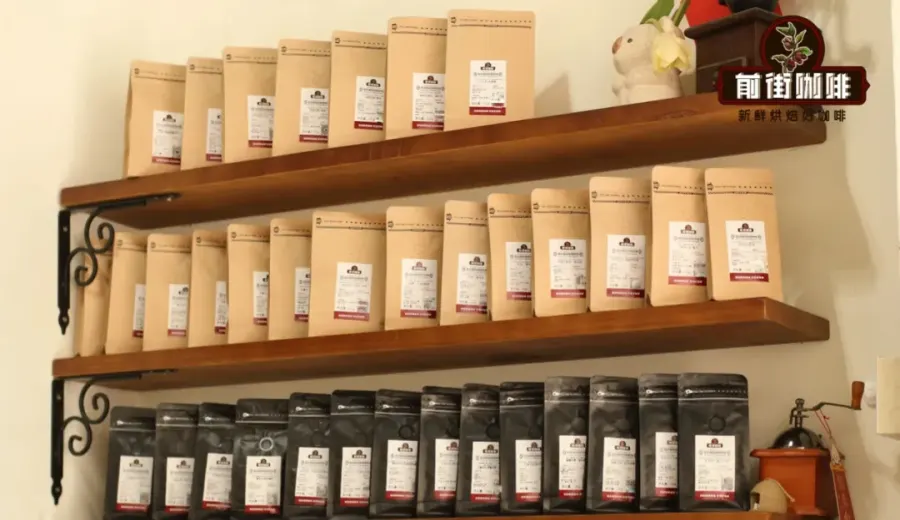
Introduction:When faced with single-origin, SOE, and blended coffee beans, do you often find it hard to choose? This article delves into the definitions, roasting characteristics, and optimal brewing methods of all three, and provides practical advice tailored to different brewing equipment and flavor preferences. By understanding these differences, whether you’re a pour over enthusiast or an espresso lover, you can more accurately select the coffee beans that suit you best.
Many beginners in the world of coffee often feel confused when choosing between single-origin, SOE, and blended beans. Which type is right for your brewing setup? How should you make a choice based on your flavor preferences? This article will explain their definitions, roasting styles, and applications in simple terms to help you find the most suitable coffee beans.
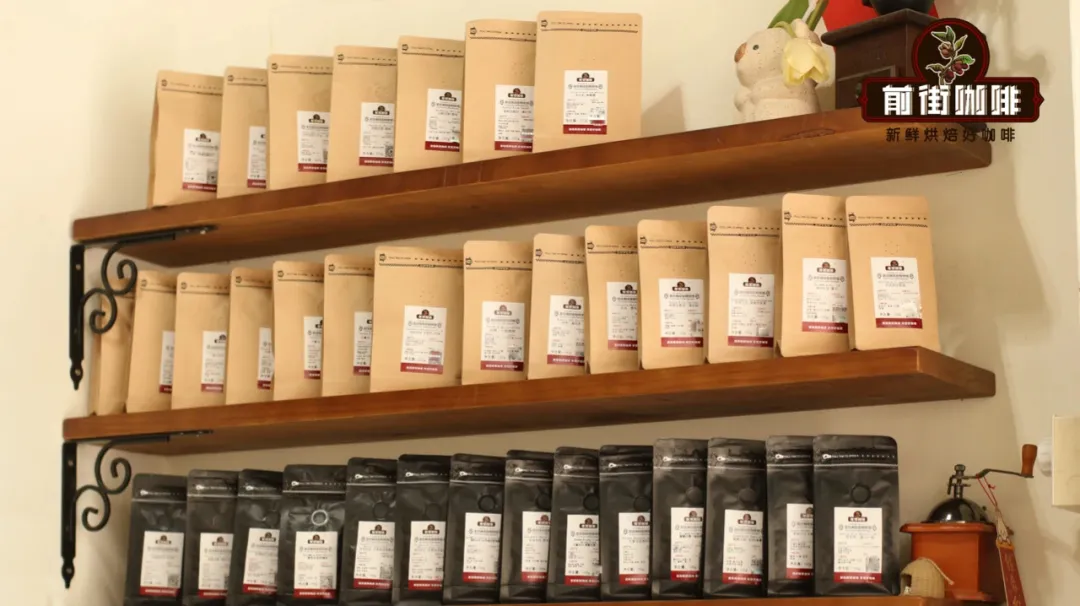
Let’s start with single-origin coffee beans. The term “single-origin” means that these beans come from just one place—this could be a country, a growing region, a specific farm, or even a precise micro-lot. The biggest characteristic of single-origin beans is their emphasis on the inherent flavors of the origin, so they are typically roasted to medium-light to very light levels to fully showcase their unique fruit acids, floral notes, or citrus tones. Of course, there are exceptions—for example, classic single-origin beans from certain regions may be dark roasted to bring out rich caramel or chocolate flavors. They are well suited for non-pressure brewing methods such as pour over, French press, siphon, AeroPress, or cold brew, as these methods better preserve delicate layers and fully present the characteristics of the origin. However, if you insist on using single-origin beans for espresso, that’s also possible—it would just then be categorized as an SOE.
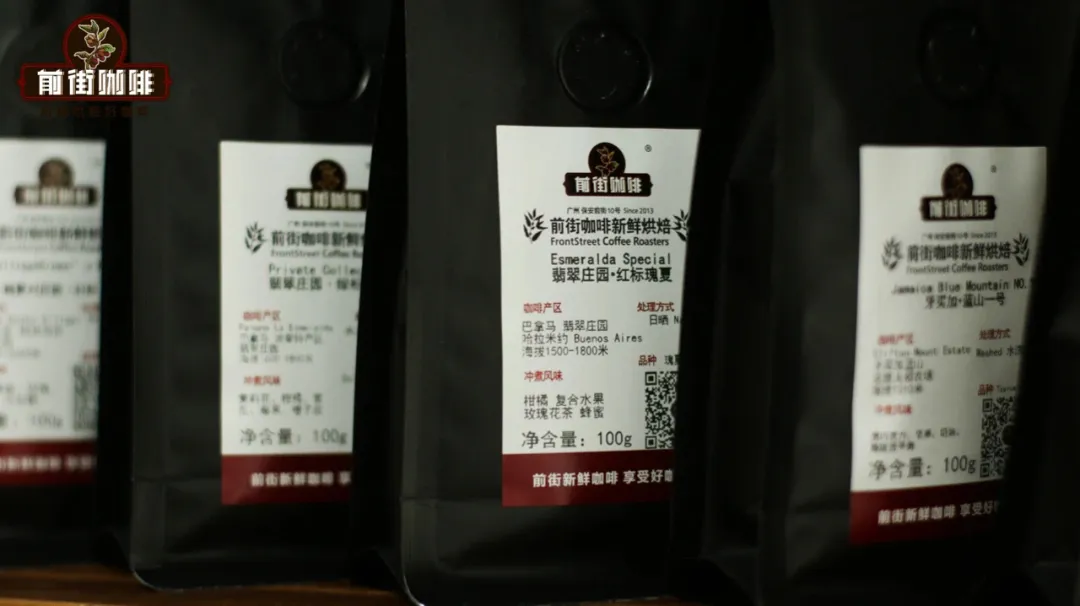
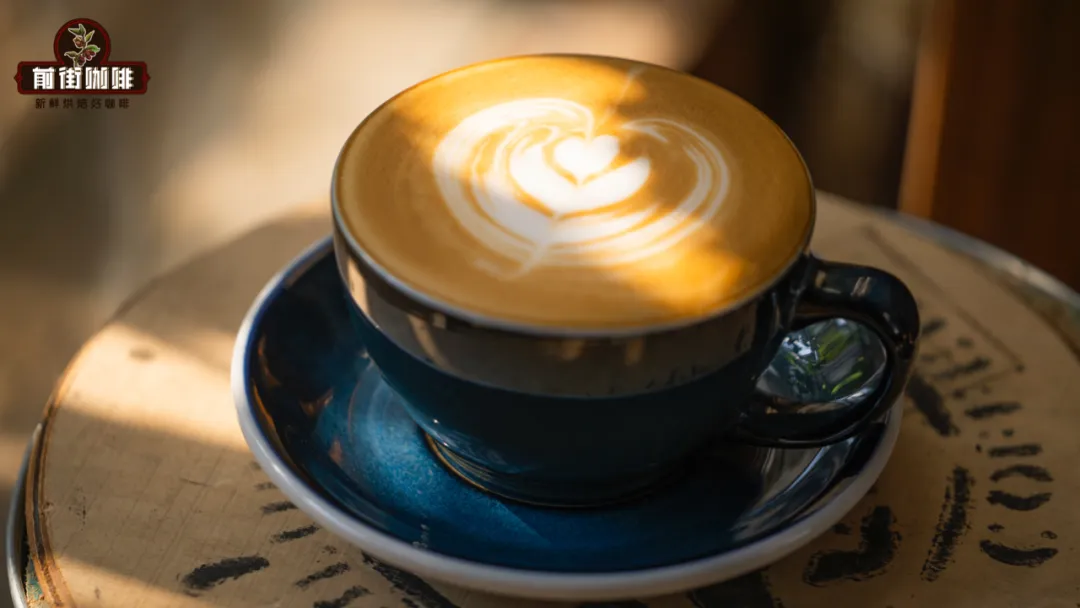
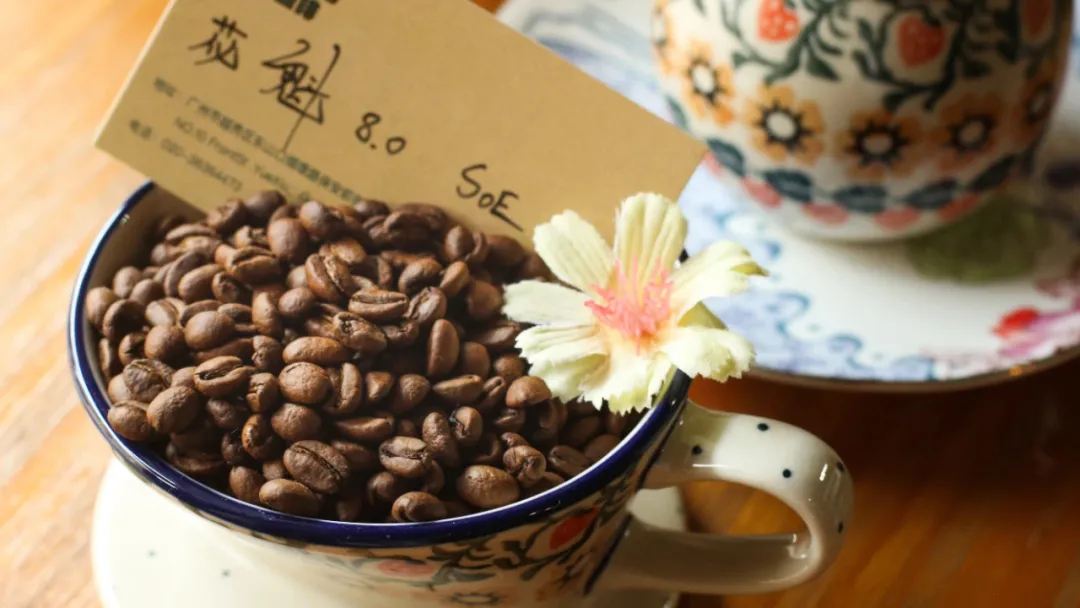
SOE stands for Single Origin Espresso, which refers to espresso made using beans from a single origin. Unlike general single-origin beans, SOE places greater emphasis on how well the beans perform in espresso and milk-based drinks. Since espresso has an intense flavor and is often mixed with milk, using overly light-roasted single-origin beans might result in an overall flavor that is too weak or the acidity too prominent, making it hard to harmonize with milk. Therefore, beans suitable for use as SOE are usually roasted slightly darker than typical single-origin beans to achieve a balance of acidity, sweetness, and bitterness while retaining enough distinct flavor identity. If you primarily drink milk-based coffees like lattes or cappuccinos, choosing beans labeled as SOE will be a more practical option than those that simply emphasize pure single-origin flavor.

Next are blended coffee beans. Blending means combining beans from different regions, different processing methods, or even different roast levels in specific proportions. The main goal of blending is to create coffee beans with stable flavor, balanced taste, and good cost efficiency. Because beans from a single origin can vary in flavor from year to year due to climate influences, blends can reduce flavor inconsistency by combining multiple types of beans, while also fine-tuning overall performance for specific usage scenarios (such as espresso machines). Commonly, blended beans are medium-dark to dark roasted to enhance body and sweetness. They are suitable for making milk-based coffees like lattes and cappuccinos, and are often sold in large packages of 1 kilogram or 1 pound. If you’re on a budget, you can also opt for commercial-grade blends—these are affordable and high in caffeine, making them great for everyday energy boosts.
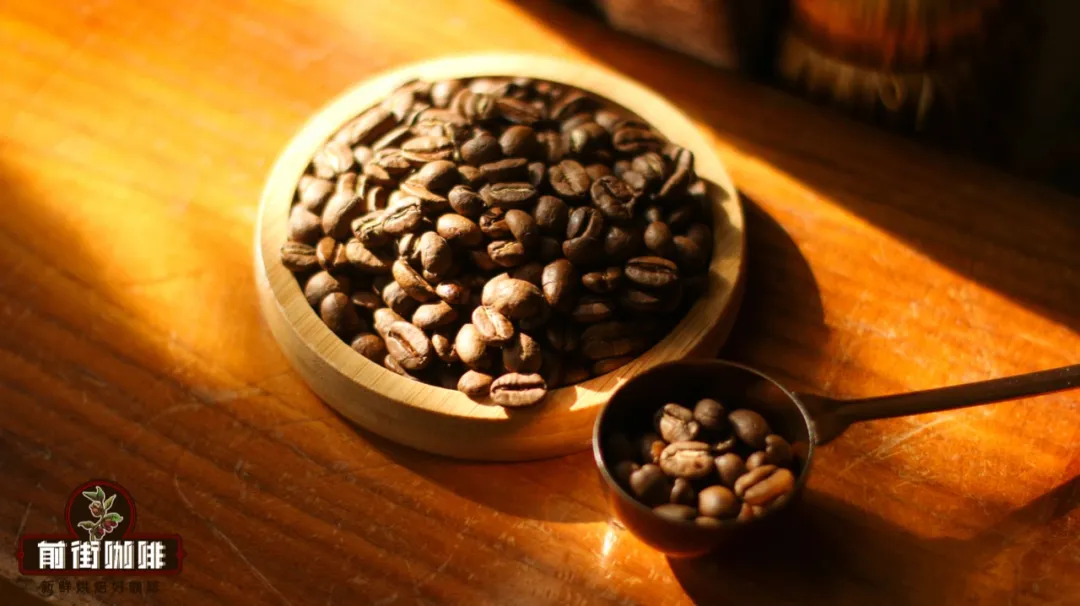
No matter which type of coffee bean you choose, you need to consider your brewing tools and drinking habits. For example, pour over enthusiasts are advised to prioritize medium-light roasted single-origin beans to highlight clear and bright flavor profiles. If you own a semi-automatic or espresso machine and prefer milk-based coffee, you might opt for an SOE with a medium roast or a dark roasted blend for a richer and smoother taste. Additionally, extraction parameters such as grind size, water temperature, and coffee-to-water ratio can significantly affect the final flavor. Beginners are recommended to start with moderate settings and gradually fine-tune to find the combination that best suits their taste.
In summary, single-origin coffee beans are ideal for users who pursue origin-specific flavors and brewing flexibility, especially when using drip-style equipment. SOEs are a choice optimized for espresso and milk-based coffee on the foundation of single-origin beans, offering both regional character and balanced taste. Blended coffee beans excel in stability, versatility, and cost-effectiveness, making them especially suitable for daily consumption or high-volume use. Whether you’re just starting out or already have some experience, understanding the characteristics and appropriate uses of these three types of coffee beans can help you make more informed choices and enjoy a coffee experience that’s closer to what you expect.
The above content is compiled by CoffeeHunters, a coffee news website.


