







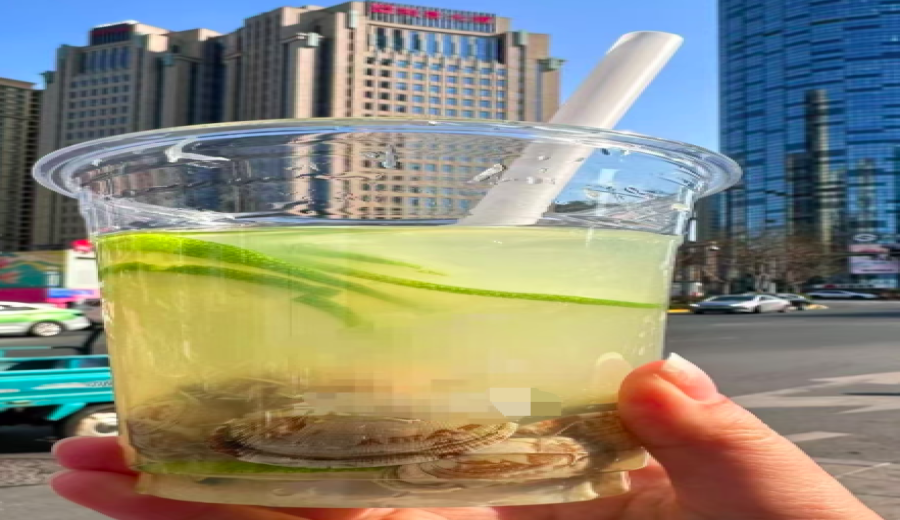
Introduction:A bubble tea shop in Qingdao, Shandong, has launched a creative beverage based on clam broth, which looks like lemonade on the outside but is decorated with clam shells. It quickly sparked heated discussions online. Can this clam milk tea truly deliver the umami of seafood? How is food safety ensured? This article delves into the development background, flavor characteristics, consumer acceptance, and potential issues of this unique drink.
Recently, a bubble tea shop in Qingdao introduced a creative milk tea made with clam broth, which rapidly stirred up a lively conversation on social media. The drink, which looks like lemonade at first glance, has clam shells and lemon slices at the bottom of the cup—an innovative combination that’s hard to forget. Many are curious about this “seafood milk tea,” while some consumers find it hard to accept and even question its safety.
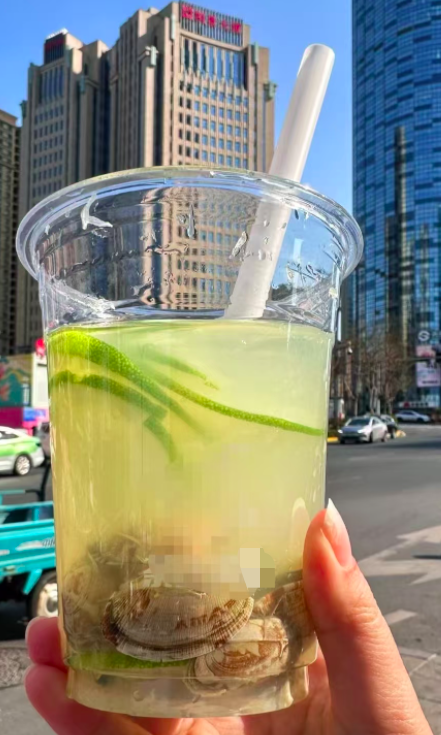
Judging by images circulating online, this clam milk tea is distinctly different from the dark hues of traditional milk tea, featuring a clear, light appearance similar to that of a lemon beverage. At the bottom of the cup, along with decorative clam shells, there are also lemon slices, creating a highly eye-catching visual effect. While this creative design has successfully grabbed attention, many netizens have exclaimed that the “visual impact is too strong.”
In response to the polarized reviews, the shop owner explained that the clam shells in the cup are used solely for decoration, but the drink does indeed contain broth made by simmering Hongdao clams. This broth is filtered before being blended with perfume lemons and Laoshan White Flower Snake Grass Water, aiming to create an innovative milk tea that represents Qingdao’s local flavors.
It is understood that Hongdao clams are a local specialty of Qingdao, known for their sweet and fresh taste. The R&D team at the bubble tea shop simmers the clams into broth, removes the residue, and retains only the clear soup base, which is then mixed with other ingredients. The final flavor is said to lean toward sweet and sour, with a subtle hint of seafood umami—rather than the fishiness one might typically expect.
Food safety has always been a key concern for consumers. Since seafood ingredients can spoil easily, improper handling or prolonged storage may lead to stomach discomfort. Additionally, some people may have concerns about potential allergic reactions or conditions such as gout triggered by seafood products. In response, the shop stated that the product is currently still in the R&D and safety testing phase, including evaluations on whether it may cause stomach issues and whether it’s suitable for people with gout.
Although the clam milk tea has not officially hit the shelves yet, online hype has already begun. The shop owner revealed that if the product is officially launched in the future, appropriate reminders will be given to customers to ensure they understand the characteristics of the drink. If market feedback is poor, the recipe may be adjusted or alternative ways to deliver the clam flavor will be explored.
Industry insiders pointed out that tea beverage shops often launch various creative products to enhance competitiveness. However, aside from being novel, such products must also take into account consumer acceptance and actual safety. Similar cases, such as the previously trending “snake coffee,” although attracting adventurous tasters with their unique appearance, also raised professional concerns due to consumption risks.
In summary, the creativity of this clam milk tea is indeed impressive, but whether it gains recognition in the market still depends on its flavor performance, food safety, and the actual experience of consumers. For adventurous beverage enthusiasts, this creative fusion of seafood and milk tea is undoubtedly an intriguing experiment worth following.
The above content is compiled by CoffeeHunters, a coffee news website.


