







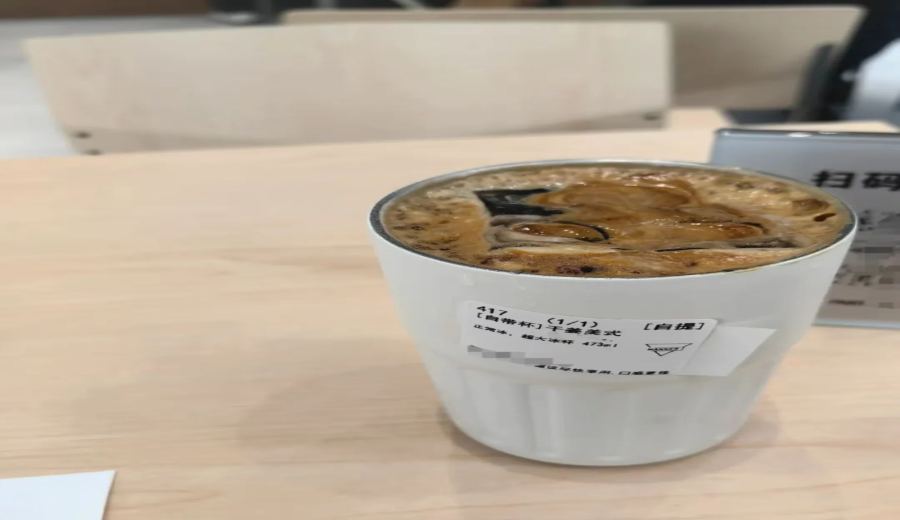
Introduction:Manner Coffee’s policy of offering a “5 RMB discount for bringing your own cup” encourages customers to reduce the use of single-use containers. However, when a customer tried to use a hollowed-out orange peel to hold their drink, they were denied the discount because the container did not meet the store’s requirements. This controversy has sparked public discussion about the boundaries of eco-friendly reusable cups: what kinds of containers actually qualify? This article will clarify the actual requirements of Manner’s bring-your-own-cup policy and offer practical advice to help customers enjoy discounts while balancing creativity and compliance.
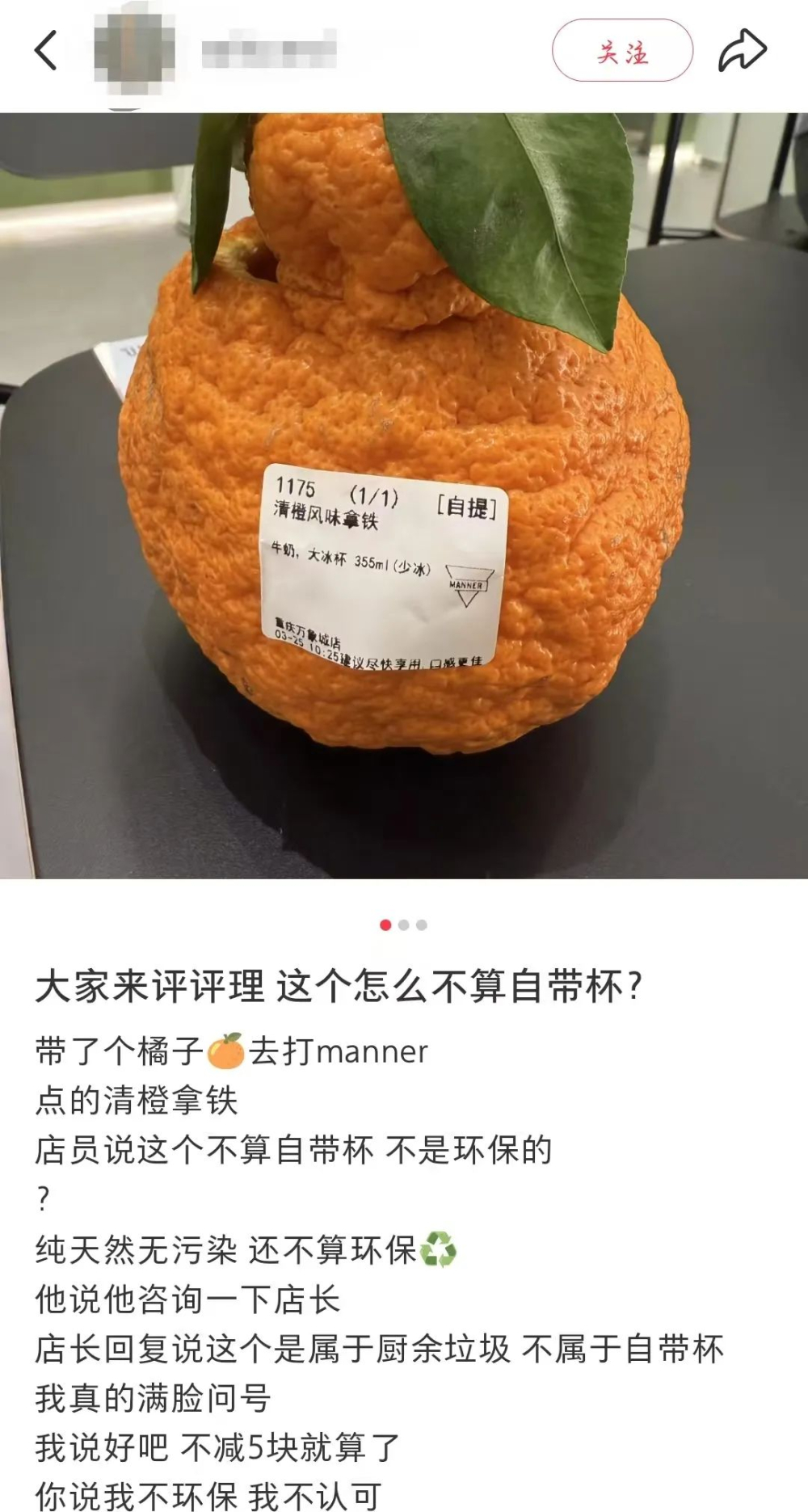
Manner Coffee has long promoted a “5 RMB discount for bringing your own cup,” which has become one of the main reasons many customers are accustomed to bringing their own drinking vessels when buying coffee. Recently, however, one customer was denied the discount when using a homemade orange peel container to purchase an Orange Citrus Latte, with the staff citing it as “not a standard environmentally friendly container,” sparking heated discussion.
It is understood that the customer hollowed out the flesh of a large orange and used the top peel as a “lid” to create a unique “orange cup” for holding the beverage. Although the poster believed this container was made from natural materials and biodegradable, aligning with environmental ideals, the staff pointed out that the container had no environmental certification label and was considered food waste, thus not meeting the store’s criteria for acceptable bring-your-own cups, and therefore the 5 RMB discount could not be applied.
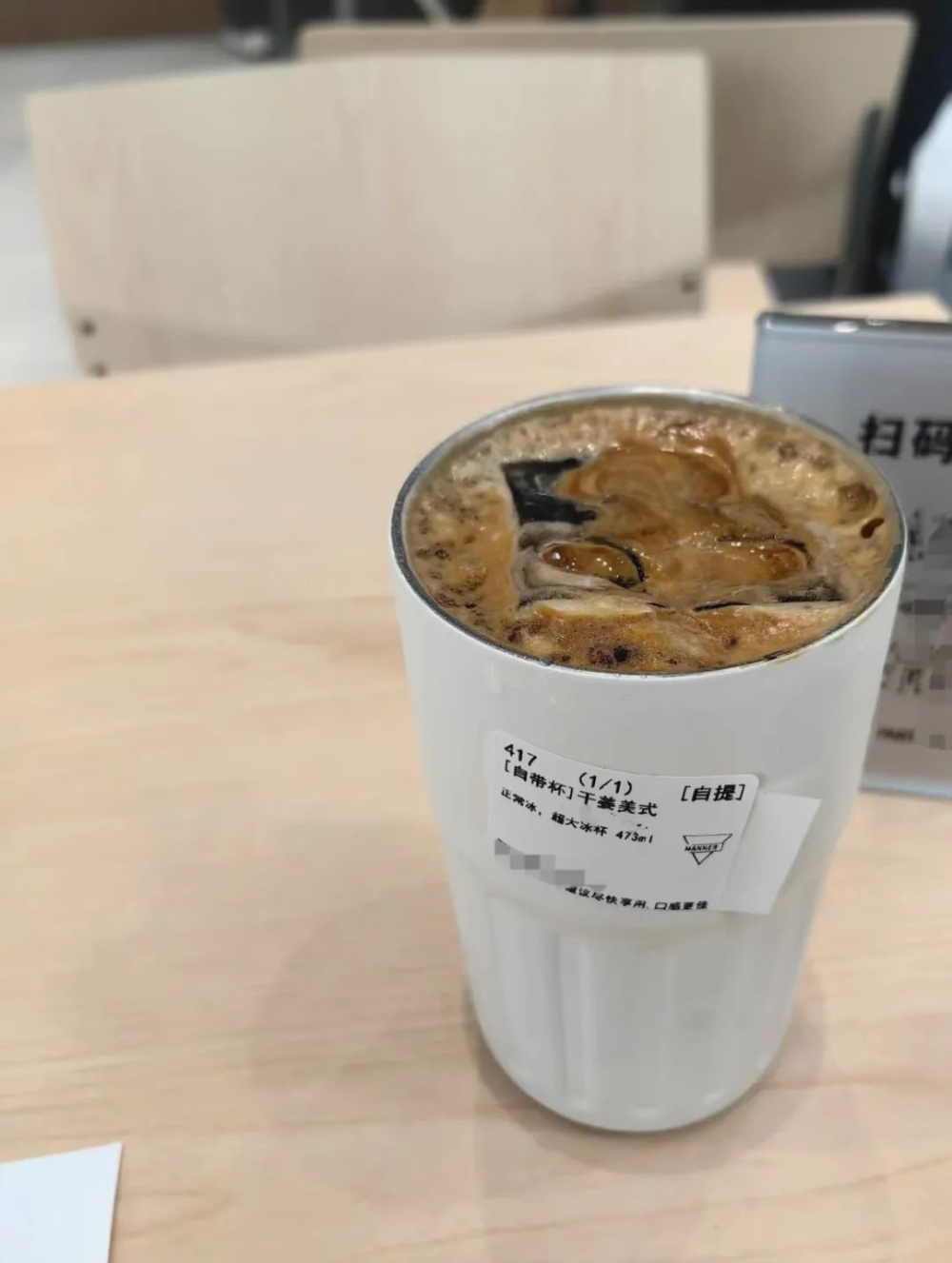
This incident has drawn mixed reactions online. Some netizens praised the poster’s creativity, arguing that orange peels not only decompose quickly but can also be used as fertilizer, making them more environmentally friendly than regular cups. They emphasized that this approach saves packaging materials and embodies the spirit of waste reuse, and should be considered a form of bring-your-own cup.
However, many customers also pointed out that Manner’s bring-your-own cup policy explicitly requires the container to be “reusable,” typically including common items such as mugs, thermoses, or recyclable plastic cups with environmental certification marks. While the orange peel may align with environmental ideals in concept, it fails to meet the hard requirement of being “reusable,” so the staff’s refusal of the discount based on the rules is reasonable.
In addition, food safety has also been a focal point of the controversy. Some customers expressed concern that the folds inside the orange peel might retain fruit residue or bacteria, and without thorough cleaning and disinfection, could pose a hygiene risk. Professionals suggest that if one wishes to use a special homemade container, they could first have the drink poured into a paper cup provided by the store, then transfer it to their personal container for consumption. Although this does not qualify for the discount, it helps avoid misunderstandings and hygiene risks.
Industry observers note that the original intention of the “5 RMB off for bringing your own cup” campaign is to encourage the reduction of single-use plastic cups, but when customers pursue creativity and personal expression, they should also pay attention to the actual rules of the business. Brands like Manner generally accept common reusable cups, such as stainless steel thermoses, glass cups, and containers with clear environmental certifications. Customers can check the store’s policy in advance to ensure they qualify for the discount.
In summary, the “orange cup” controversy highlights the delicate balance between creativity and regulation in the culture of bringing your own cup. When enjoying discount benefits, customers should not only consider environmental principles but also familiarize themselves with and comply with the specific rules of the business, in order to smoothly receive price reductions and avoid unnecessary disputes.
The above content is compiled by CoffeeHunters, a coffee news website.


