








Introduction:Although Tanzanian coffee may not be as well-known as its neighbors Kenya or Ethiopia, it has earned the esteemed title of "gentleman of coffees" and secured a respected place in the European market. This article delves into the unique terroir of the high-altitude Kilimanjaro growing region, helping you understand how its gentle acidity and rich body are formed. We also offer expert brewing suggestions and tasting tips to help you uncover the hidden potential of this underappreciated specialty bean.
On the global map of specialty coffee, Tanzania may not boast the same fame as Ethiopia’s Yirgacheffe or Kenya AA, but it has carved out a niche with its distinctive flavor profile, earning the refined moniker of "coffee gentleman." This East African country stands alongside Kenya and Ethiopia as one of Africa’s three major coffee-growing regions, with the coffee from the slopes of Mount Kilimanjaro being the most celebrated.
Tanzania’s coffee cultivation history dates back to the late 19th century during the German colonial period. At that time, colonists introduced Arabica varieties around Mount Kilimanjaro and Mount Meru. Although initially met with resistance from local farmers due to cultural differences, the unique geographic conditions of these high-altitude areas laid the foundation for the future coffee industry. Notably, the average elevation here exceeds 1,200 meters, with some premium growing areas reaching over 1,700 meters. Such heights create significant day-night temperature variations, which are crucial for the sugar accumulation in coffee cherries.
The introduction of the cooperative system during the British colonial period (around the 1920s) was a pivotal turning point for Tanzania’s coffee industry. By organizing farmers for collective production and sales, it not only improved quality consistency but also established an initial quality control system. This model continues to this day. Despite the many challenges faced by the industry after independence, coffee quality has remained consistently high—especially for beans from the Kilimanjaro region, which still uphold extremely high evaluation standards.
The reason why Kilimanjaro-grown coffee stands out lies in its exceptionally favorable natural environment.Strong sunlight and significant temperature variations brought by high altitudeencourage slow ripening of coffee cherries, allowing them to accumulate richer flavor compounds;the mineral-rich volcanic soilprovides an ideal nutrient source for coffee trees, while the pure water sourced from melting mountain snow is an indispensable element for irrigating coffee farms. These factors work together to create Tanzanian coffee’s signature gentle acidity and full-bodied taste.
Compared to the bright citrus acidity and berry notes of Kenyan coffee, Tanzanian coffee presents a distinctly different flavor profile.Its acidity is mild and delicate, with subtle hints of peach and honey, a caramel-like sweetness in the mid-palate, and a finish that lingers with notes of nuts and chocolate.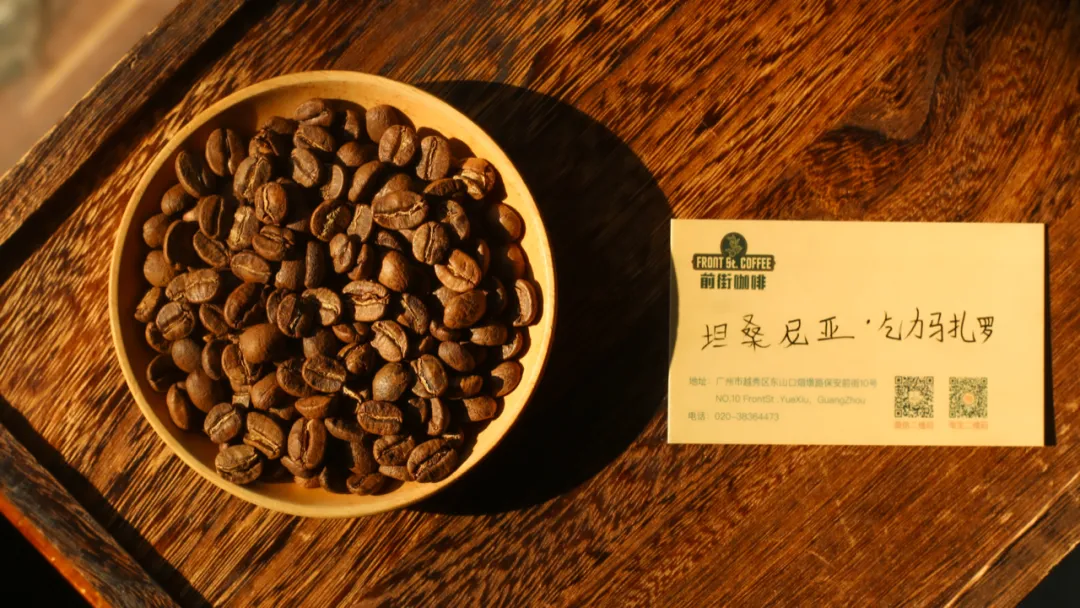 This balanced flavor profile makes it an excellent choice for pour over enthusiasts looking to explore single-origin beans, especially for those who prefer a milder taste.
For readers looking to brew Tanzanian coffee at home, it is recommended to use beans with a medium-light roast, ground to a size similar to fine sugar granules. Suggested pour over parameters: water temperature between 90–92°C, coffee-to-water ratio of 1:15 to 1:16, using a center pour method for slow extraction. Pay special attention to gently stirring during the first two pours to ensure even extraction of flavor compounds. This approach fully highlights the delicate fruit acidity and layered sweetness of Kilimanjaro coffee.
When tasting Tanzanian coffee, it is recommended to use ceramic or glass cups to avoid any unwanted metallic off-flavors that might come from metal cups. The optimal drinking temperature ranges between 65–75°C, when the layered nuances of the coffee are most pronounced. Professional baristas often suggest sipping in three stages: the first sip to appreciate the bright acidity and aroma, the second to experience the mid-palate sweetness and body, and the final sip to savor the lingering finish. This systematic tasting method helps you fully appreciate the unique charm of this "gentleman of coffees."
The above content is compiled by CoffeeHunters, a coffee news website.


