








Introduction:Although matcha and coffee are different types of beverages, traditional matcha whisking techniques can also bring a fresh flavor experience to coffee. This article delves into the historical origins of matcha, the core spirit of matcha whisking culture, and provides a detailed explanation of the precise brewing steps and temperature control for traditional matcha. Not only will it help you understand the essence of matcha, but it will also explore how to flexibly apply these techniques to coffee preparation, expanding inspiration and possibilities in beverage creation.
Matcha and coffee may seem to come from entirely different beverage worlds, but what kind of surprising flavors might emerge if traditional matcha brewing methods were applied to coffee? Before diving into hands-on experimentation, let’s first revisit the roots of matcha and explore its historical background and the profound depth of its whisking culture.
The origins of matcha can be traced back to the Song Dynasty in China, where the method of matcha whisking was developed. At that time, powdered tea was mixed with hot water and stirred using specific tools to create foam, emphasizing a sense of ritual and an appreciation process. As tea culture spread to Japan, the whisking method gradually integrated into local aesthetics of life, evolving into the Japanese tea ceremony centered around the spirit of "wa-kei-sei-jaku" (harmony, respect, purity, and tranquility). Under this philosophy, matcha is not just a beverage, but also an expression of state of mind and culture.

When it comes to brewing matcha, the traditional method is extremely particular. Generally, a small amount of matcha powder is used along with water heated to about 70°C to 80°C. First, the matcha powder is placed in a tea bowl, a small amount of hot water is added, and then a bamboo whisk (chasen) is used to quickly stir the mixture, allowing the matcha powder and water to blend initially—this step is called "dissolving the paste." Next, a measured amount of hot water is poured in, and the chasen is used to briskly whisk in a "W" or "M" motion until a fine, thick, and long-lasting layer of foam forms on the surface. This foam layer not only affects the taste but also symbolizes the skill and care put into the brewing process.
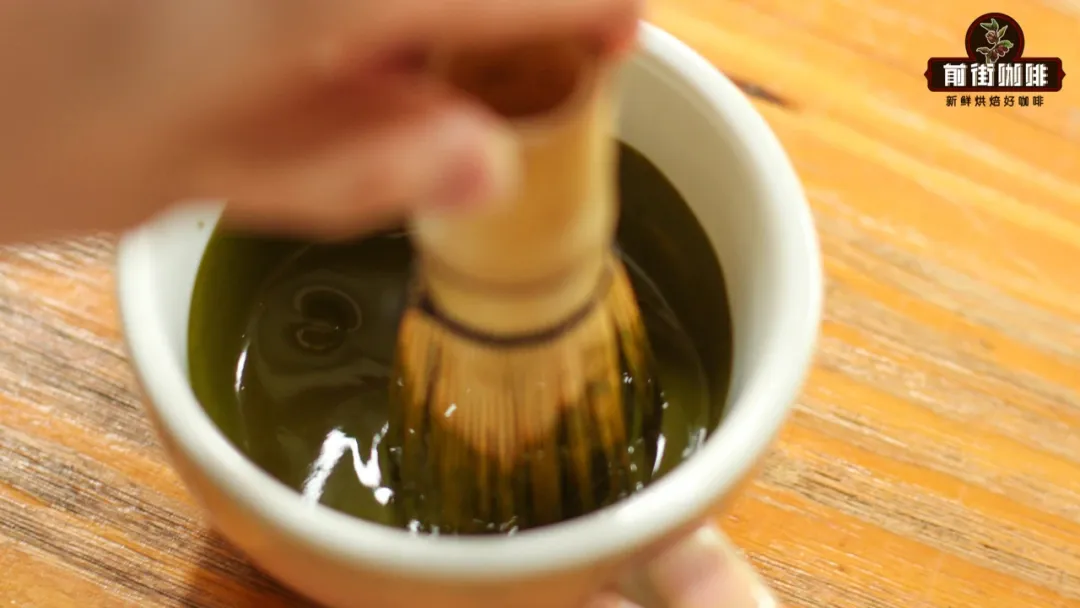
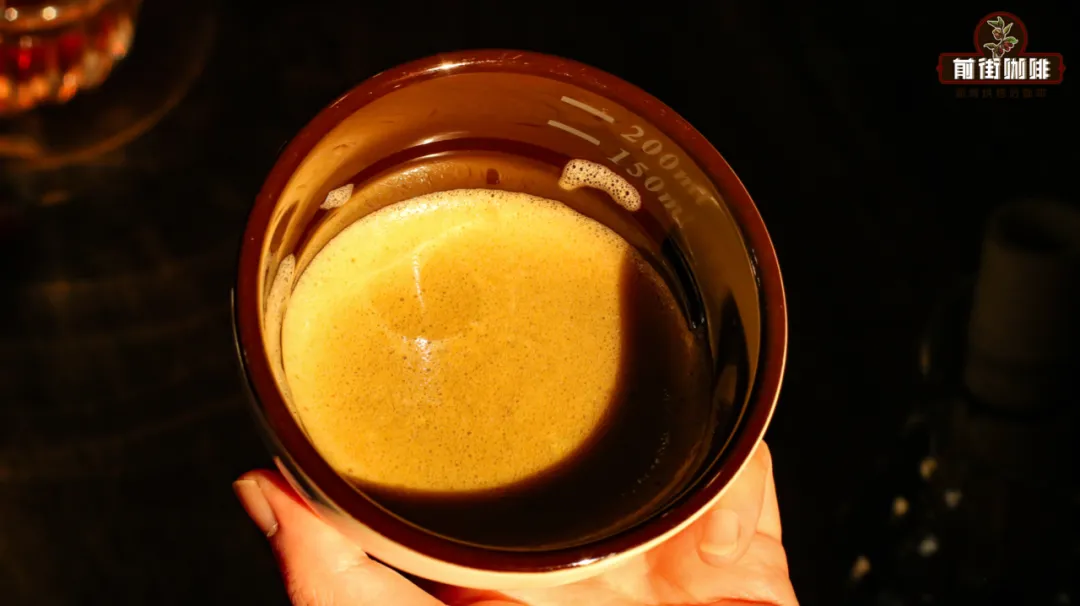
This technique is not just for aesthetics—it serves a practical purpose as well: the fine foam encapsulates the tiny particles in the matcha, making the texture smoother while helping to release the tea’s aroma and flavor. Temperature control is also crucial: too high a temperature can damage the delicate flavor compounds in the matcha, while too low a temperature may fail to bring out its vibrant green color and unique fragrance.
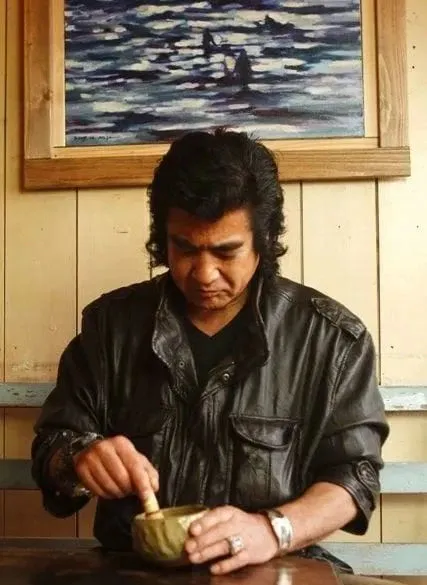
When exploring the cross-application between matcha and coffee, this whisking method offers highly inspiring insights. For example, if coffee grounds were treated in a similar proportion to matcha powder and whisked using a chasen or alternative tool, could it extract a richer array of aromas and flavor layers? Or, if the temperature control techniques of matcha were applied to pour over coffee, could it allow for more precise control over the optimal extraction window?
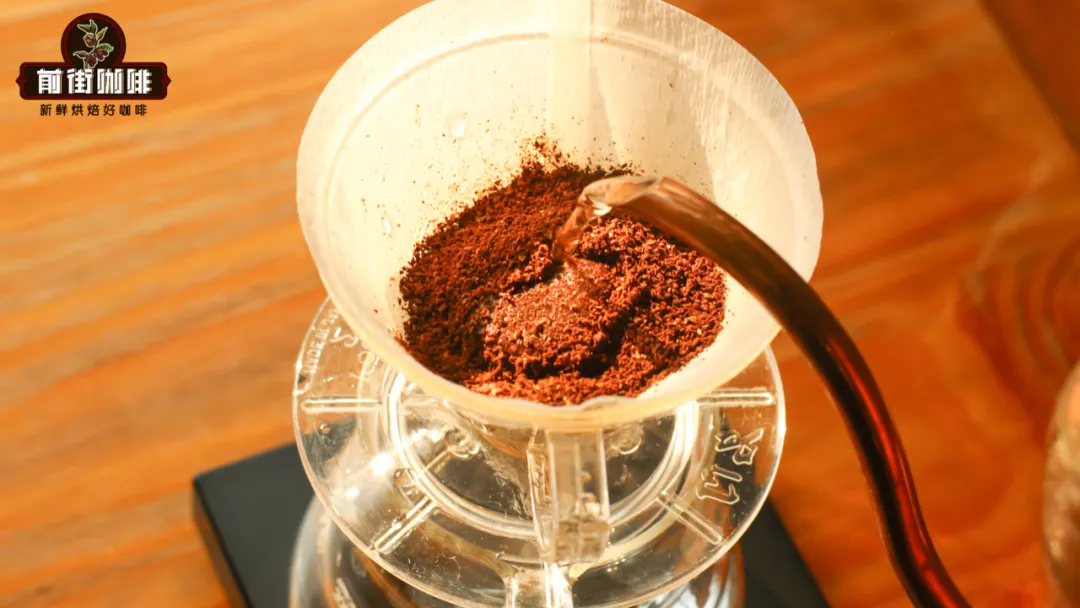
In practical terms, if you want to try a "matcha-style coffee brewing method" at home, it is recommended to start with finely ground coffee powder, similar in fineness to matcha powder, and test it using water at 70°C to 80°C. Initially, you can mimic the matcha step of "dissolving the paste" by pouring a small amount of hot water to mix with the coffee grounds, then gradually add the remaining water while quickly stirring or whisking with a tool, observing the formation of foam and changes in taste.
This cross-cultural brewing experiment not only broadens our understanding of coffee flavors but also gives traditional tea ceremony techniques a new stage for expression. Regardless of the final flavor outcome, such experimentation is itself a deep exploration and tribute to beverage culture.
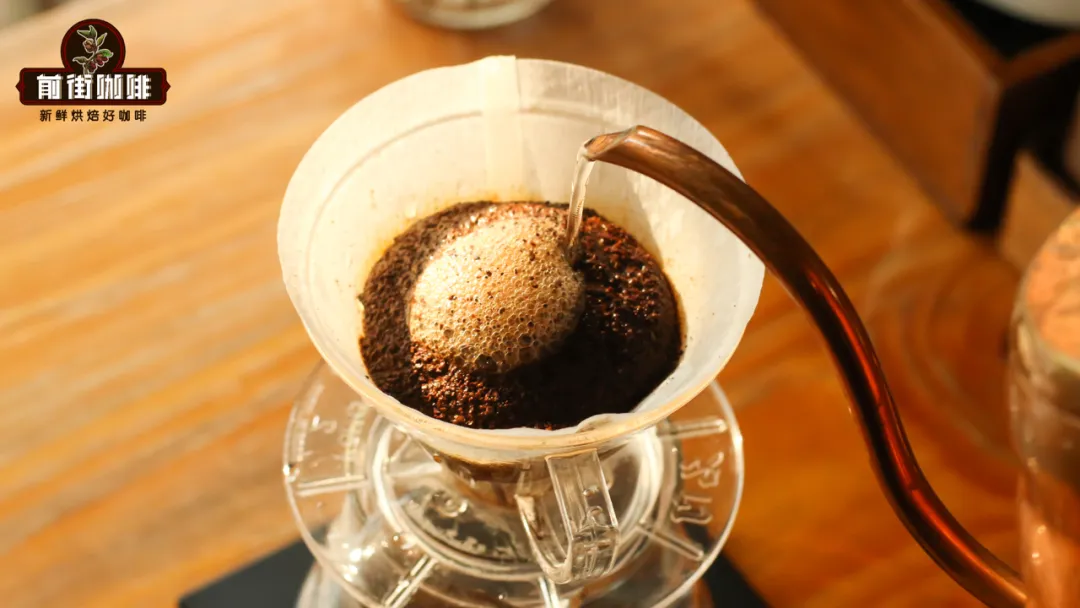
In summary, the history of matcha and its whisking techniques are not only treasures for tea enthusiasts but also a source of inspiration for coffee lovers. From temperature control and powder-to-water ratios to the creation of the foam layer, each step embodies a pursuit of flavor and craftsmanship. If you have a deeper interest in coffee brewing, consider incorporating these essential matcha techniques into your experiments—you might just unlock the door to your own unique flavor profile.
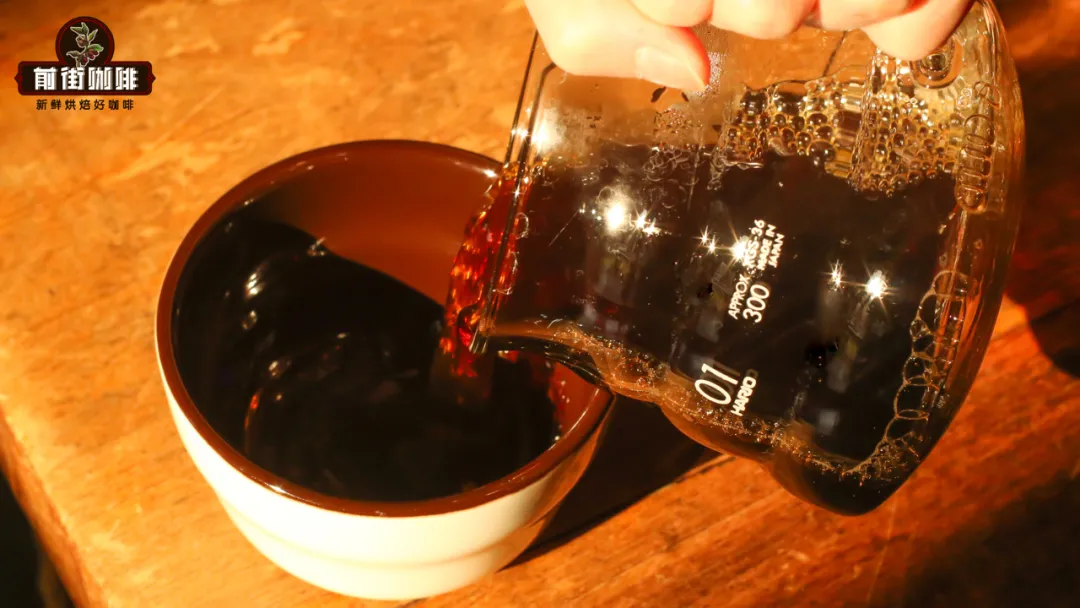
Whether you are a purist focused solely on coffee itself or a beverage experimenter who enjoys crossing boundaries, understanding the origins of matcha and its whisking techniques can bring multidimensional thinking and enjoyment to your beverage world. The delicate foam, precise temperature, and thoughtfully executed brewing motions are where the true art of appreciation lies.
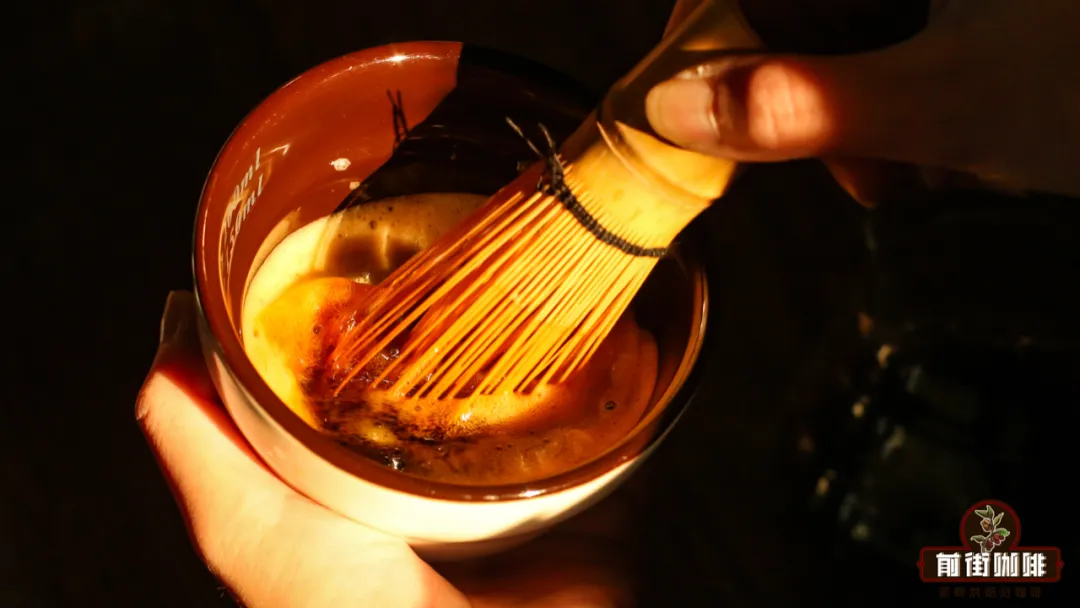
The next time you pick up a cup of coffee, perhaps you can also wonder: what kind of flavor journey would it be if brewed in the style of matcha?
The above content is compiled by CoffeeHunters, a coffee news website.


