







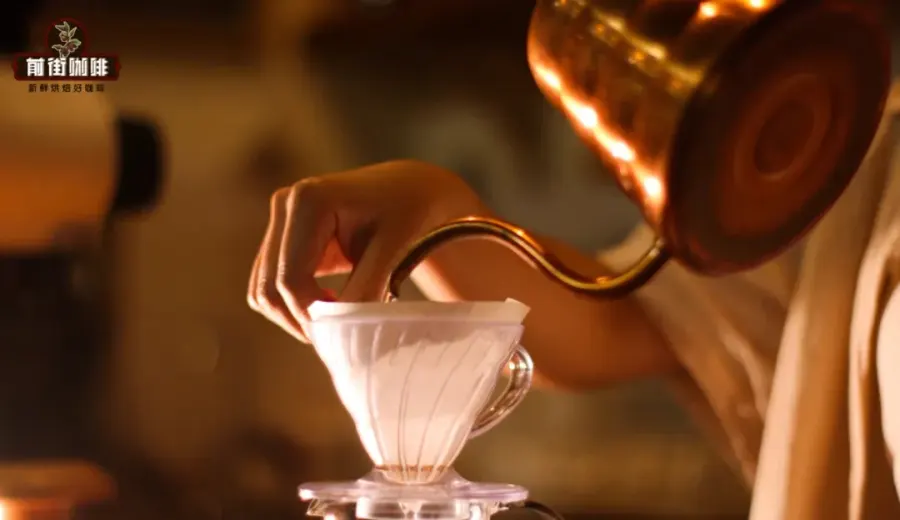
Introduction:Many pour over coffee enthusiasts often encounter a common question: should you wet the filter paper with hot water before pouring in the coffee grounds? Some insist that wetting the filter removes paper taste and stabilizes brewing temperature, while others believe this step is unnecessary. This article will delve into the practical differences between wet and dry filters—from filter paper material and dripper types to actual brewing needs—to help you make the most suitable choice based on different scenarios, enhancing both the consistency and flavor expression of every pour over.
The method of using filter paper in pour over coffee has always been a focal point of discussion. Some baristas will fully wet the filter paper with hot water before starting the pour, while others will pour the coffee grounds directly into a dry filter and begin brewing. For instance, when making hot pour over and iced pour over, some baristas adopt different approaches—wet filtering and dry filtering—leaving many coffee lovers puzzled: does this difference really affect the final extraction results?
Generally speaking, the traditional purposes of using a wet filter mainly include three aspects: first, to remove the pulp-like off-flavors inherent in the filter paper itself, avoiding any impact on the purity of the coffee; second, to preheat the dripper and maintain a stable brewing water temperature; and third, to ensure the filter paper adheres tightly to the dripper walls, preventing coffee from escaping through the edges during extraction. However, with the advancement of modern filter paper production techniques and the diversification of dripper materials, are these original considerations still necessary? In reality, the answer might surprise you.
First, let’s talk about the issue of filter paper taste. In the past, many filters were made from lower-quality wood pulp and indeed tended to retain noticeable paper pulp odors. Without rinsing with hot water first, these flavors could mix into the coffee during extraction, interfering with the coffee’s inherent flavor profile. But today, most high-quality pour over filter papers are made from premium virgin wood pulp, and some are even specially treated, leaving almost no off-odors. Therefore, unless you’re using filter paper of unknown origin or low quality,modern high-quality filter paper usually doesn’t require additional wetting to eliminate paper taste.
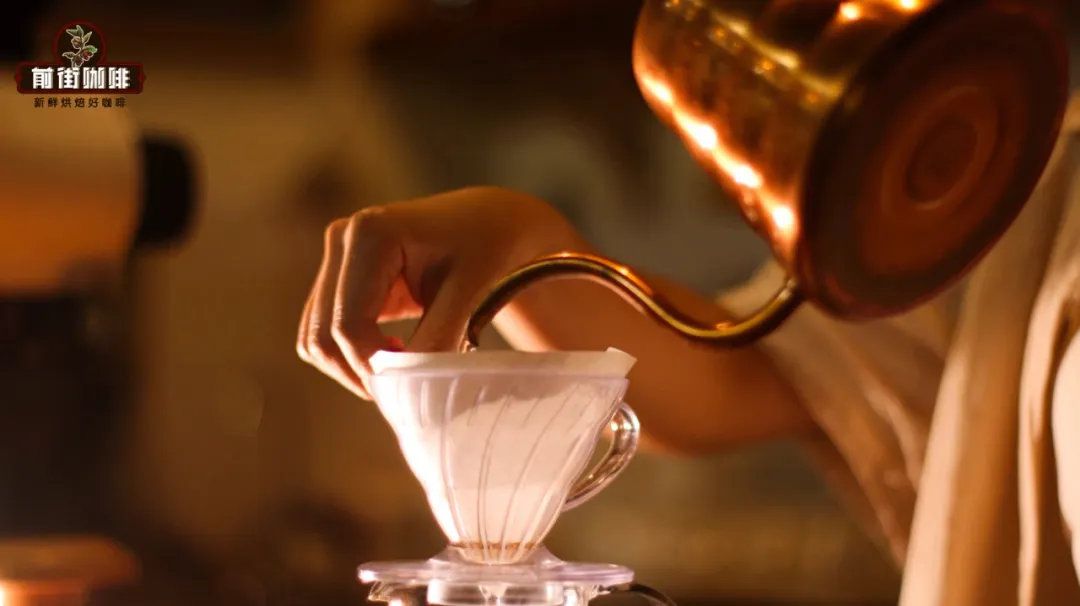
Next, let’s discuss the necessity of preheating the dripper. Many people believe that preheating the dripper before brewing helps avoid a drop in coffee liquid temperature, thereby maintaining extraction stability. Indeed, drippers made of materials like ceramic or glass, which have high thermal conductivity and obvious heat absorption, may absorb a significant amount of heat during pouring if not pre-warmed with hot water, affecting the brewing water temperature. However, if you’re using a dripper made of materials like food-grade resin, which have very low heat absorption, not preheating it won’t significantly impact the extraction temperature. Moreover, in practice, what tends to lose heat more easily than the dripper is actually your kettle and server—these are the parts that are recommended to be preheated first.
So, does a wet filter still hold value? In fact, one of the most practical functions of a wet filter is to ensure that the filter paper fits snugly against the dripper walls before brewing. Especially when using certain drippers with unique shapes or looser seams, wetting the filter helps it adhere better to the dripper, preventing coffee from seeping out through gaps between the filter and the dripper wall, which could affect flow rate and extraction uniformity. Additionally, for brewers who pursue ultimate flavor purity, using a wet filter remains a reassuring step that can further reduce the risk of off-flavor interference.
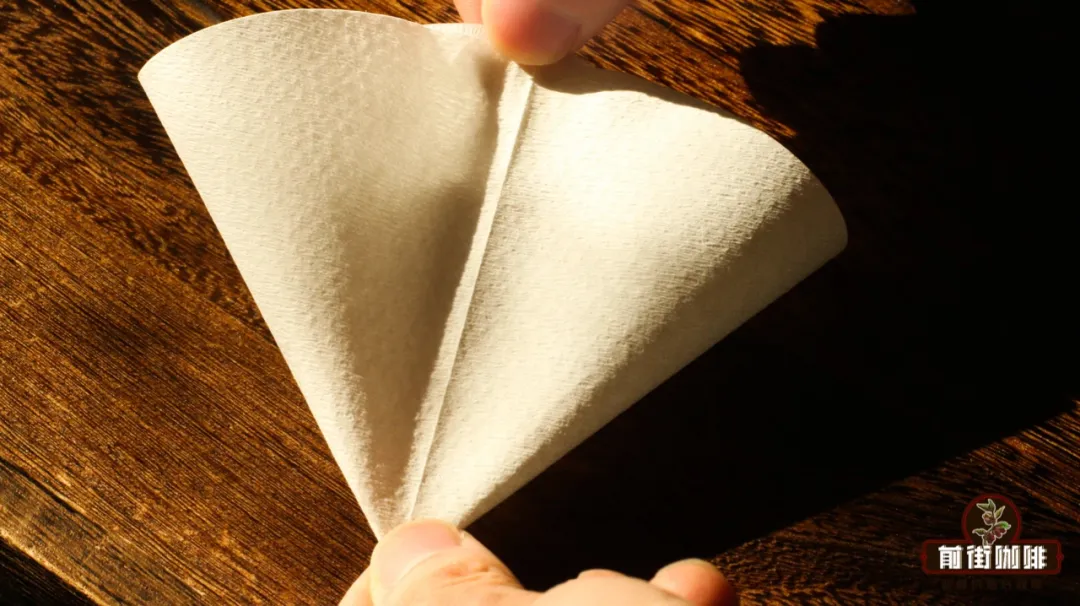
Overall, whether to use a wet or dry filter isn’t a matter of absolute right or wrong, but depends on the quality of your filter paper, the material of your dripper, and your personal requirements for brewing stability. If you’re using high-quality, odor-free filter paper along with a dripper that has low heat absorption, thenbrewing without wetting the filter is entirely reasonable and feasible. Conversely, if you’re using filter paper prone to off-odors, or your dripper material tends to absorb heat easily, then pre-wetting the filter remains a worthwhile and good practice.
Finally, a reminder for everyone: in actual practice, whether you choose wet or dry filtering, pay attention to the hot water temperature and pre-wetting time to avoid over-soaking the filter paper and causing unnecessary release of paper fibers. Use your own brewing experience and sensory judgment appropriately to find the pour over routine that works best for you.
The above content is compiled by CoffeeHunters, a coffee news website.


