








Introduction:The pouring method in pour over coffee is one of the key factors influencing flavor expression. Among them, single-pour (一刀流) and three-pour (三段式) are the two most common techniques. Both differ in pouring rhythm, water flow control, error tolerance, and directly affect extraction uniformity and flavor layering. This article will delve into their core differences, pros and cons, and provide practical tips for mastering single-pour, helping you find the brewing method that suits you best.
In the world of pour over coffee, the way you pour water often determines the final flavor profile in the cup. Among these, “single-pour” and “three-pour” are the two most well-known pouring techniques and are also among the first methods many coffee enthusiasts encounter when starting out. Although both aim to achieve even extraction of coffee grounds, they actually follow very different logic and present distinct challenges in practice.
As the name suggests, “single-pour” divides the total brew water required into just two stages—the first being the bloom, and the second involving pouring the remaining approximately 90% of the water all at once after the bloom. This name originates from the Japanese kendo concept of “cutting in one stroke,” implying completion in one go. Though it seems simple, it demands a high level of pouring skill. Many beginners are tempted to try it due to its few steps, but often encounter issues such as uneven extraction, thin mouthfeel, pronounced acidity, or even lack of flavor complexity.

In contrast, the “three-pour” method divides the total water into three or more stages, allowing the brewer opportunities between each stage to adjust water flow, control timing, and observe extraction progress. This approach not only has higher error tolerance, but also makes it easier to improve the uniformity of coffee-to-water contact through segmentation, thereby enhancing overall flavor balance and complexity. Especially for those new to pour over, the three-pour technique offers more room for adjustment and is generally more forgiving and consistent.
So why is single-pour so challenging? The key lies in the fact that it concentrates almost all the extraction pressure into the second pour. When you pour the large remaining volume of hot water all at once after the bloom, the speed, height, and stability of the water flow directly impact the expansion of the coffee bed, extraction rate, and ultimately the flavor outcome. Pouring too quickly may lead to under-extraction, resulting in weak and bland flavors; pouring too slowly can easily cause over-extraction, bringing about bitterness and off-flavors. Therefore, to master single-pour, you need not only a keen sensitivity to water flow control, but also precise parameters such as grind size, water temperature, and coffee-to-water ratio to achieve ideal extraction.
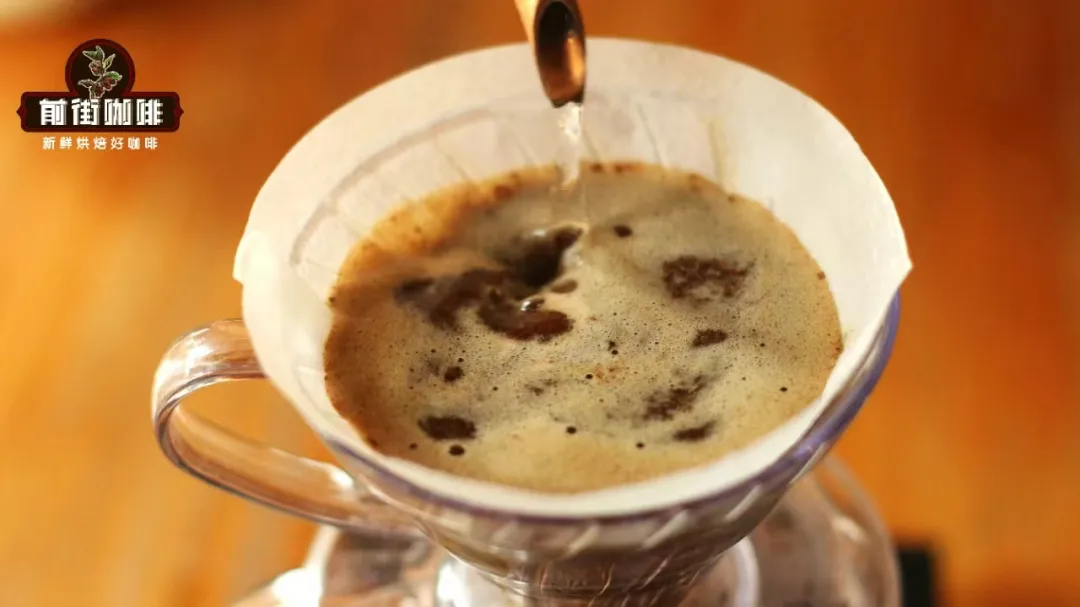
Many coffee enthusiasts, when comparing the two pouring methods using the same coffee beans and basic parameters, often find that coffee brewed with single-pour is slightly inferior in terms of taste richness and layering. This is not coincidental but rather because single-pour places stricter demands on the operator—any minor mistake can be magnified, affecting the overall flavor expression.
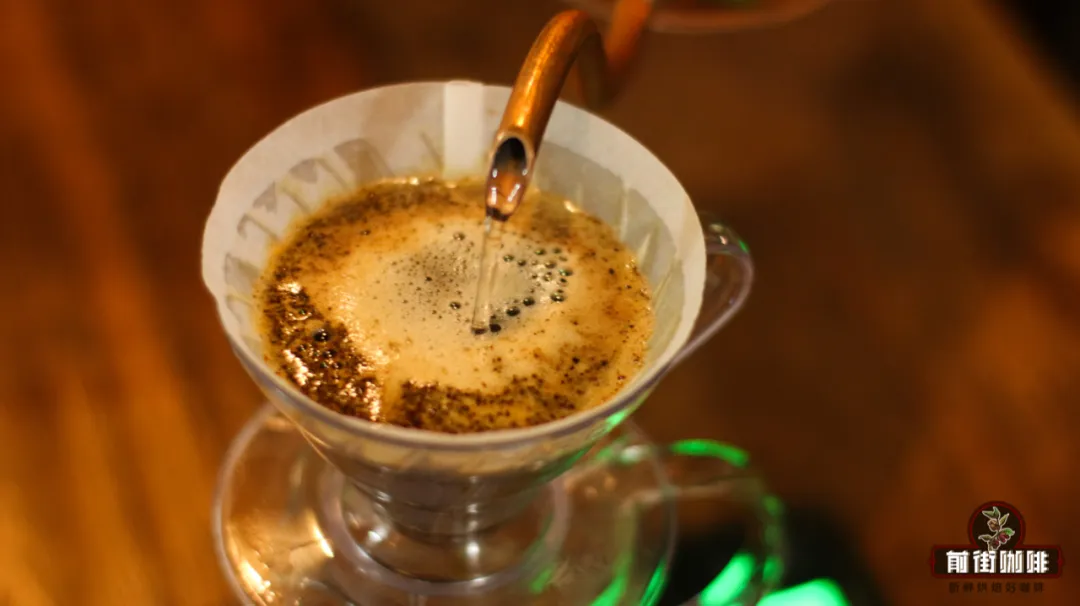
So, if you still want to challenge yourself with single-pour, what are some practical tips and considerations? First, it’s recommended to use medium-fine ground coffee to increase the coffee-to-water contact area, which helps achieve efficient extraction in a short time. Second, maintain the water temperature during the bloom stage steadily between 90–96°C, making slight adjustments based on the roast level of the beans. When pouring, try to keep the water stream vertical and stable, avoiding washing the edge of the filter paper or disrupting the coffee bed structure. In addition, the height of the pour also affects extraction uniformity—keeping the kettle spout about 3–5 cm above the coffee bed is advisable to reduce the impact force of the water flow.
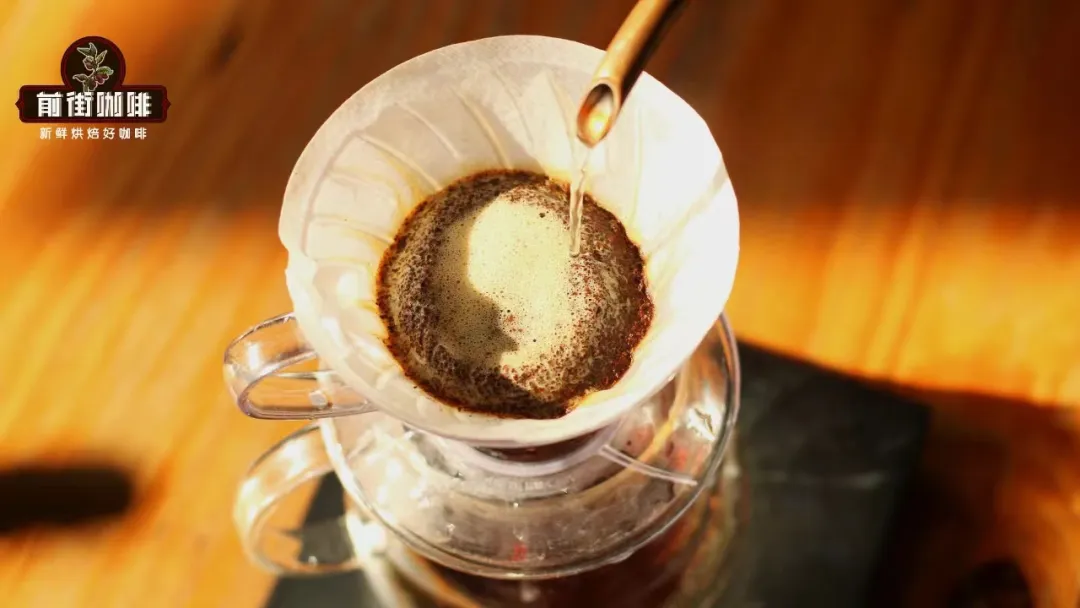
From a parameter perspective, single-pour works better with a medium-fine grind (such as around 70%–75% passing through a Chinese standard No. 20 sieve), water temperature controlled at 92–94°C, and a coffee-to-water ratio of 1:15 to 1:16. This combination helps achieve even extraction within a shorter pouring time while avoiding negative flavors caused by over-extraction.
On the other hand, the three-pour method, by breaking the pouring process into multiple stages, allows for micro-adjustments at each stage—whether it’s altering the water flow speed, adjusting the pouring angle, or extending or shortening the duration of each pour—making it more flexible in responding to different coffee bean characteristics and brewing environments. This is why it is often the preferred method for many professional baristas and experienced enthusiasts aiming for consistent results.
In summary, both single-pour and three-pour have their respective applicable scenarios and audiences. If you’re new to pour over, it’s recommended to start with the three-pour method to gradually develop your sensitivity to water flow, timing, and flavor. However, if you already have some brewing experience and wish to challenge a more advanced technique, feel free to try single-pour—but be sure to pay extra attention to parameters and technique to truly unlock its potential.
The above content is compiled by CoffeeHunters, a coffee news website.


