







Introduction:Recently, two well-known tea beverage brands, Mixue Ice Cream & Tea and Heytea (Shanghai Auntie), were simultaneously investigated for food safety violations. A Mixue Ice Cream & Tea outlet in Wuhan was found storing overnight lemon and orange slices at room temperature and using them the next day to make signature drinks, while a Heytea (Shanghai Auntie) store in Hankou was caught altering the expiration labels of ingredients to continue using expired materials. This article details the incidents, reveals common food safety risks in the tea beverage industry, and provides key points for consumers to identify such issues.
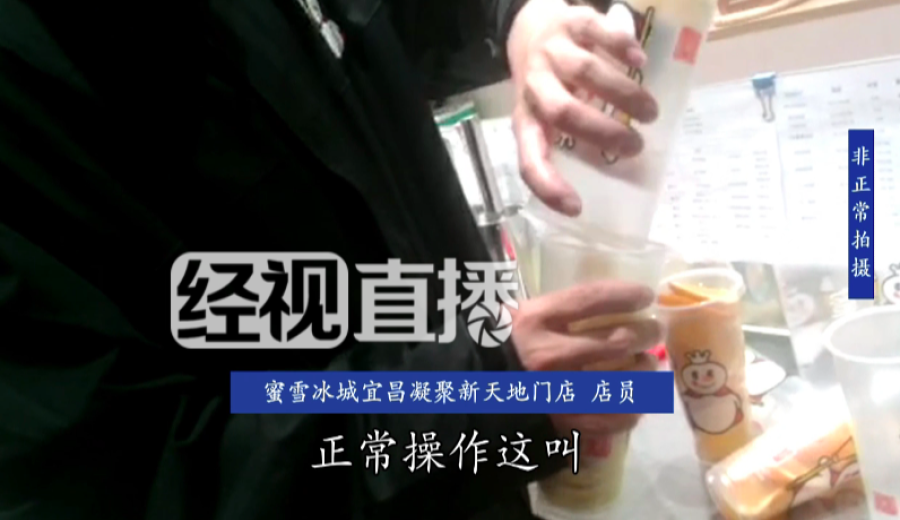
On the evening of March 14, an investigative report exposed food safety loopholes in two prominent tea beverage brands. A Mixue Ice Cream & Tea outlet located in Yichang Gathering New World, Wuhan, was discovered keeping unused lemon and orange slices from the day, which were not refrigerated as required, but instead hidden under the counter to be reused the next day in making their signature drinks. Meanwhile, a Heytea (Shanghai Auntie) store in Hankou City Plaza was found tampering with the expiration date labels of ingredients, allowing expired materials to remain in use. Following the exposure, local market regulatory authorities swiftly took action, launching investigations into both stores. The Mixue outlet was even sealed and shut down, while the Heytea outlet was immediately closed for business.
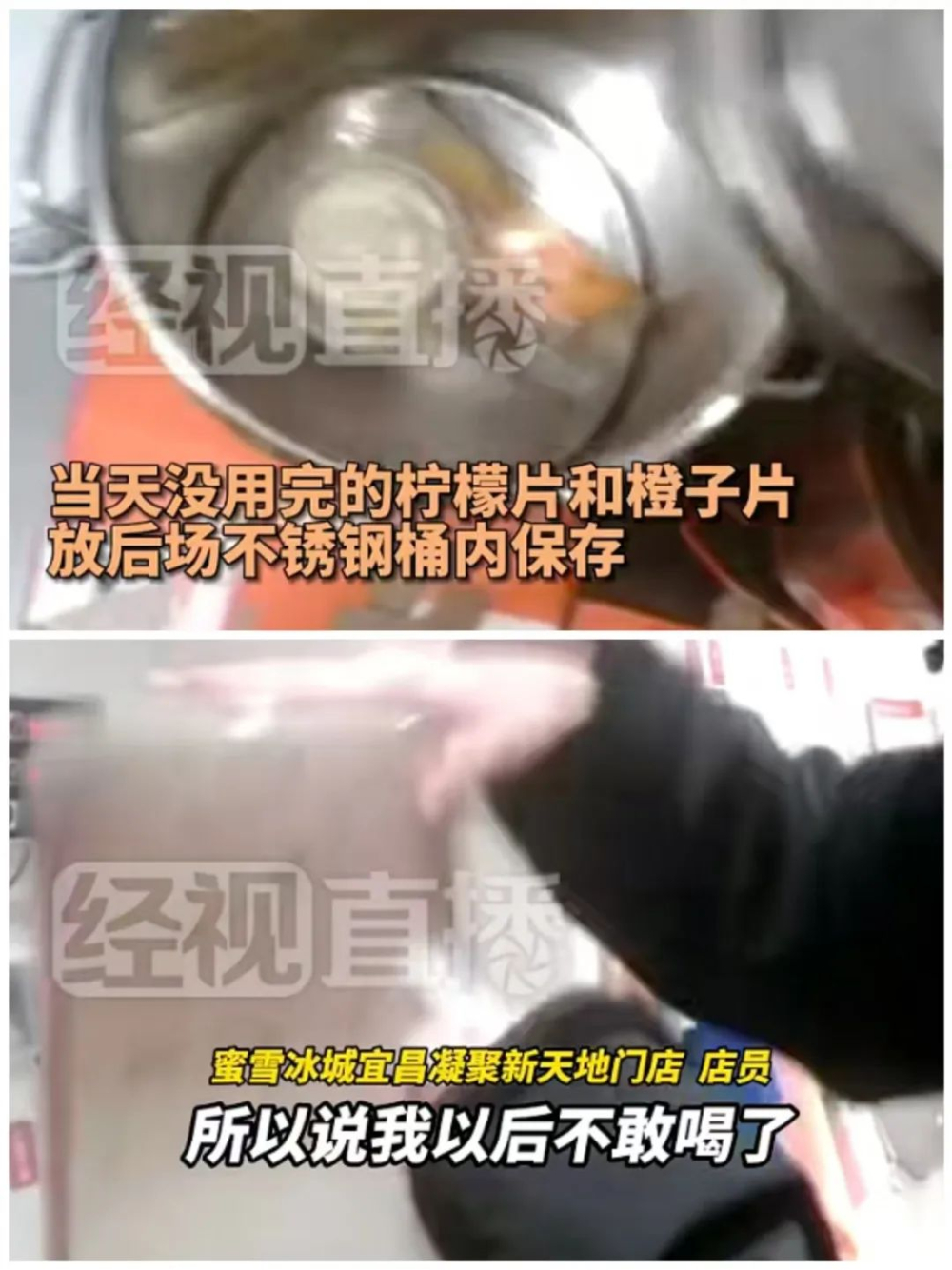
According to the footage, employees at the Mixue outlet placed unused lemon and orange slices into takeaway cups and directly hid them in storage cabinets under the counter, planning to reuse them the next day. One employee even claimed this practice was “normal procedure.” Similarly, another employee placed leftover fresh fruit slices into takeaway cups and then stored the whole cup in a stainless steel bucket, leaving it at room temperature in a corner of the back area of the store. When a reporter on-site reminded, “Even if you’re using them tomorrow, they should go in the fridge,” the employee did not respond directly, only muttering quietly, “I won’t dare to drink it anymore, I’m a bit scared.”
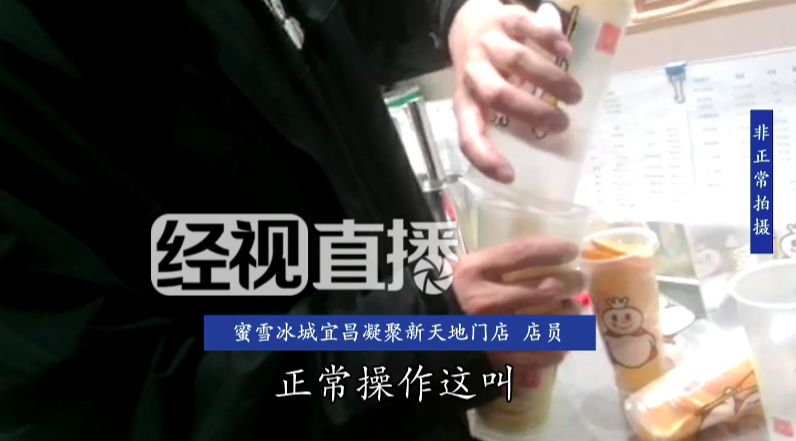
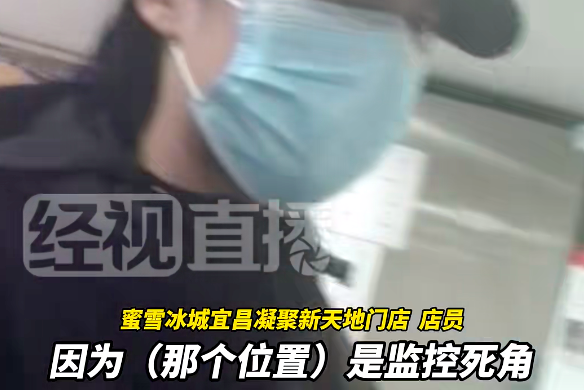
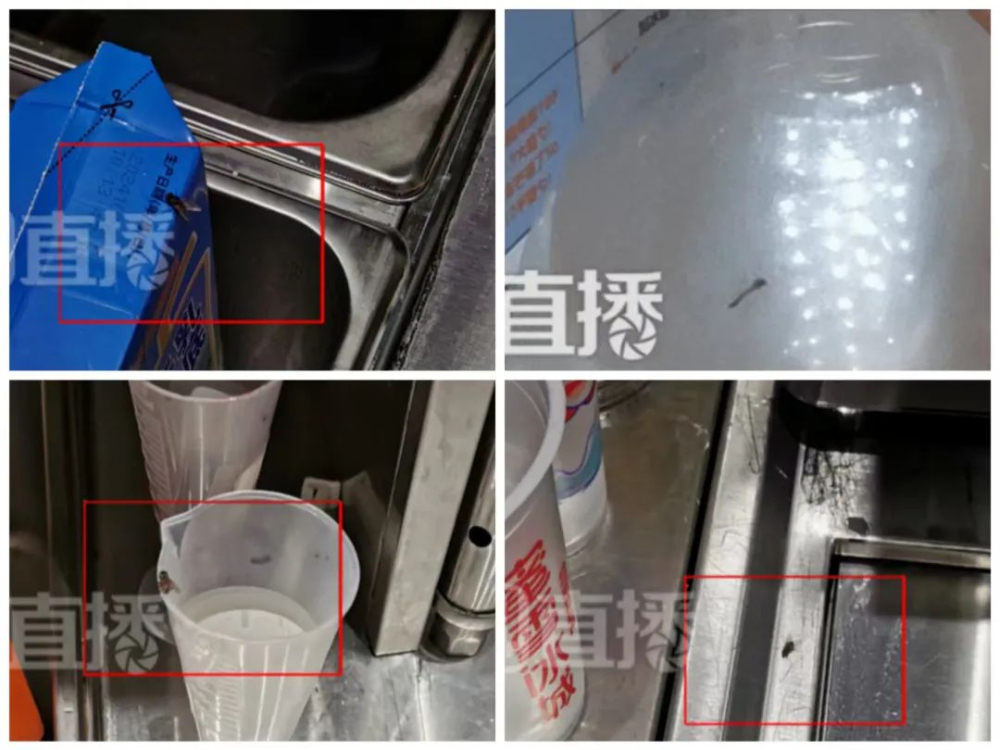
Mixue has always advertised that its signature drinks like Iced Fresh Lemonade and Freshly Squeezed Orange are made with freshly cut fruits. However, this particular outlet kept overnight fruit slices, stored at room temperature in a blind spot of the surveillance cameras, and used them to prepare drinks sold to customers. Employees admitted they did so out of fear of being caught by the company. The investigation also found that flies and insects were commonly seen crawling on packaging lids, utensils, and even the counter inside the store, yet other staff members seemed accustomed to it. Contaminated utensils and lids were simply rinsed briefly before being reused.
After the program aired, local market regulators immediately went to the involved store, only to find it was undergoing renovation. Nearby shop owners mentioned that the store had started upgrading a few days prior and was still under construction, expected to be completed in two or three days. During the enforcement process, the person in charge of the involved store was temporarily unreachable. In the second-floor storage area, investigators found remaining raw materials that were suspected of violating regulations due to improper labeling and seized them on the spot. They also launched an immediate investigation into the store. Officials noted that the content of the reporters’ investigation could serve as evidence for initiating the case, and further inspections would be strengthened among similar stores in the area to prevent recurrence.
Currently, the renovation work of the involved store has been ordered to stop. The property management of Yichang Gathering New World has enforced a shutdown of the store and posted a seal. In response to the media exposure, Mixue’s customer service stated they would thoroughly document the issue and provide feedback. The store manager claimed the problems shown in the footage were due to individual employee violations, saying, “We require that any leftovers be discarded directly.” When pressed on why food safety risks were not detected earlier, the manager argued they couldn’t monitor “24 hours a day” and promised to communicate with the company to strengthen store management.
Notably, similar food safety issues are not isolated incidents. On the same day, another report by “Jingshi Live” revealed serious food safety oversights at a Heytea (Shanghai Auntie) store in Hankou City Plaza. Investigators found that employees at the store had altered the expiration labels of ingredients, extending the use of expired materials. It was observed that nearly half of the ingredients on the counter had exceeded their shelf life, yet staff continued to use them, citing “cost-saving” as the reason.
When reporters revisited the store, the two employees involved had already resigned. Staff on-site explained that the store had no manager at the time, resulting in a lack of oversight over employee actions. After a brand supervisor arrived, they stated they would verify the situation and handle it strictly. The brand also responded, saying, “If the claims are true, the store will undergo rectification.” Local market regulatory officials promptly arrived upon receiving the report, inspected the kitchen and ingredients, and confirmed whether the food used that day was still within its shelf life. Further investigation will be conducted through surveillance footage and ingredient label printing records.
Authorities pointed out that Heytea’s use of expired ingredients and alteration of expiration labels not only reflects a failure in the brand’s food safety management but also constitutes a potential legal violation. Evidence has been secured, and the store has been placed under investigation and ordered to cease operations immediately. This incident serves as another reminder to consumers to pay attention to hygiene practices and ingredient freshness when choosing beverages, in order to avoid products that may pose hidden risks.
Food safety is the cornerstone of the beverage industry. The recent food safety controversies involving these two major brands have not only damaged consumer trust but also sounded an alarm for the entire sector. Going forward, how to strengthen supply chain management and implement proper employee training will be key to the long-term success of these brands.
The above content is compiled by CoffeeHunters, a coffee news website.


