








Introduction:Have you ever seen videos where Turkish coffee seems to never run out no matter how much you drink? This traditional coffee, originating from the Ottoman Empire in the 16th century, is famous for its unique brewing method and intense flavor. This article will delve into the brewing principles of Turkish coffee, the thermal conductivity advantages of the Cezve copper pot, and the interaction between the foam and the liquid coffee, helping you understand the science and visual illusions behind the "endless refills", as well as providing practical tips to deepen your appreciation of this ancient beverage.
Turkish coffee stands out among various coffee preparation methods, differing significantly from common modern filtered or pour-over coffee in terms of brewing technique, flavor, and even drinking culture. Many who have watched related videos often wonder: why does the coffee in those videos seem impossible to finish no matter how much is poured? In fact, it’s not truly an endless refill, but rather a visual illusion created by the unique brewing method combined with the shooting angle. This article will take you through the historical background, characteristics of the Cezve copper pot, and the behavior of coffee foam to fully explain how this “never-ending” illusion is formed, while also clarifying why the coffee eventually does run out.
Looking back at history, Turkish coffee can be traced back to the 16th century, when the Ottoman Empire occupied Yemen and introduced coffee beans to its capital, Constantinople, making coffee a part of everyday Turkish life. Over time, Turkish coffee developed its own distinct brewing method, becoming not just a beverage but also carrying deep social and cultural significance. This method of brewing coffee has also remained a widely cherished tradition to this day.
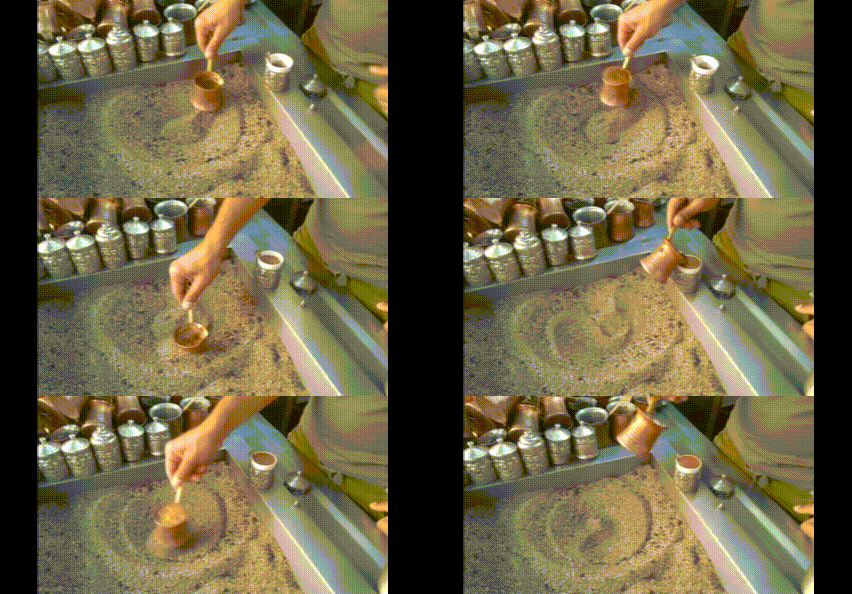
Many people are curious as to why Turkish coffee seems like it will never run out. As discussed in the past, it’s not magic, but rather an illusion created by the combination of the brewing method and the camera angle. Unlike the commonly used filtered extraction methods today, Turkish coffee is brewed by "boiling," which makes it particularly unique in the world of coffee.
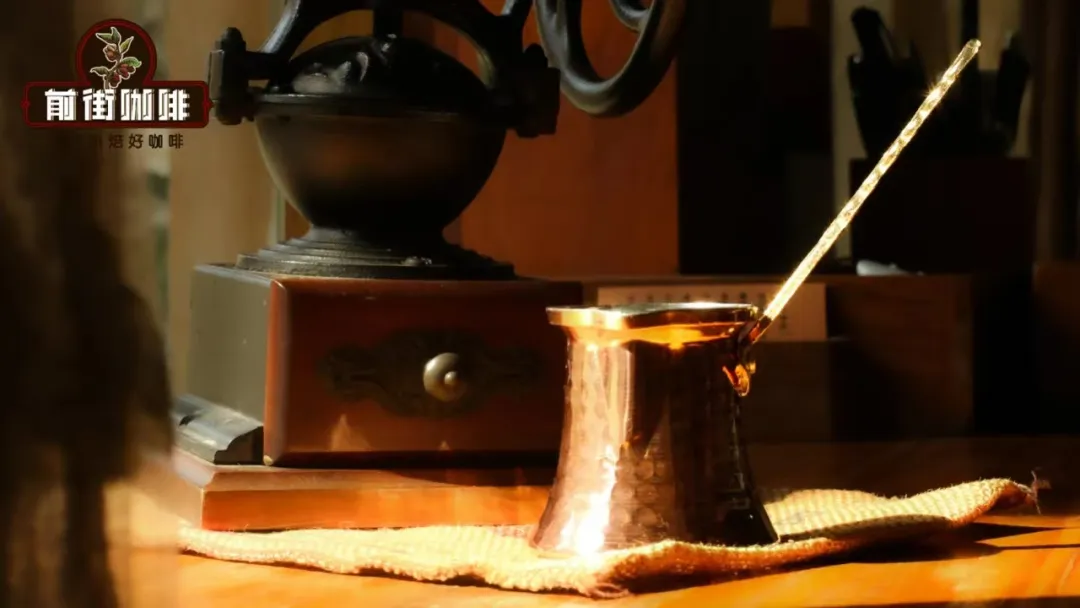
The key tool for making Turkish coffee is a small copper pot called a "Cezve." As shown in the image, this type of pot usually comes with a long handle, making it easy to operate steadily over a sand stove. Due to copper’s excellent thermal conductivity, combined with the high temperature of the hot sand surrounding the pot, the Cezve heats evenly, helping to steadily release the coffee’s flavors. During preparation, extremely fine coffee powder — as fine as flour — is used along with cold water and placed together in the Cezve to heat. The use of such fine powder is also a major reason why Turkish coffee has such an intense flavor and leaves sediment.
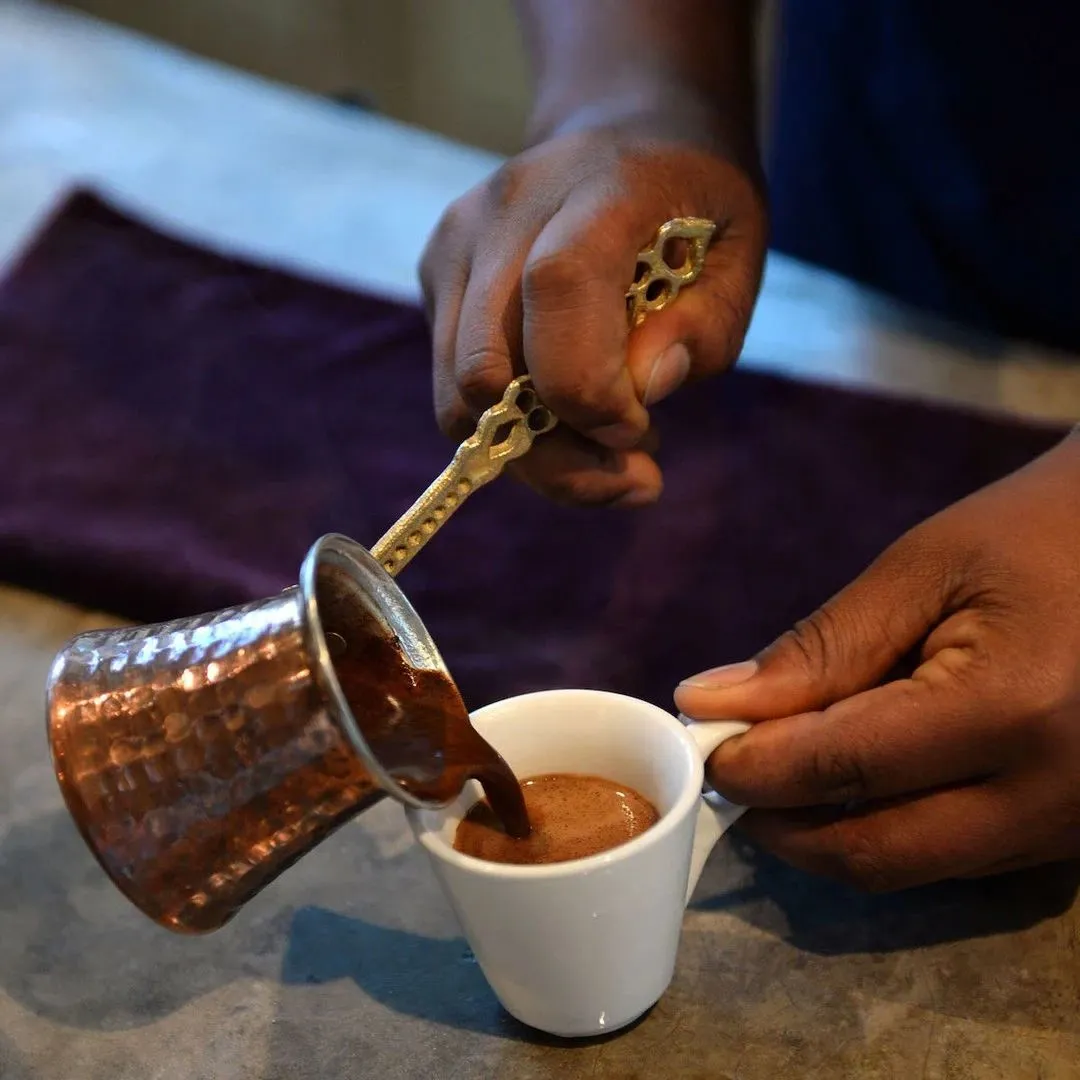
When the coffee reaches boiling point, the liquid surface begins to expand and produces rich foam. This foam is light in texture and gathers on the top layer of the liquid. If poured at a shallow angle, most of what comes out first is the foam, rather than a large amount of actual coffee liquid. Since the foam is less dense, it doesn’t pour out all at once, so even after pouring several cups, the coffee in the pot still looks “full.” Simply placing the Cezve back over the sand stove to reheat will generate a new round of boiling and foam, making it seem like you can keep refilling endlessly.
However, this cycle is not infinite. Each time you pour, although it may appear to be mostly foam, some coffee liquid is still being removed. With repeated heating and pouring, the total amount of coffee liquid in the pot will inevitably decrease gradually until it’s eventually gone. If the camera angle is changed to a front or overhead view, you can clearly see the actual remaining amount of coffee in the cup, thus debunking the myth of it being “forever inexhaustible.”
In summary, the impression that Turkish coffee never runs out mainly stems from its unique brewing method, the behavior of the foam, and the visual illusion created by the filming angle. Understanding these underlying principles not only allows us to better appreciate this ancient coffee culture but also gives us a deeper experience when trying it ourselves. If you’re interested in the history and techniques of Turkish coffee, why not try brewing a cup using a Cezve yourself and experience its unique richness and cultural atmosphere?
The above content is compiled by CoffeeHunters, a coffee news website.


