







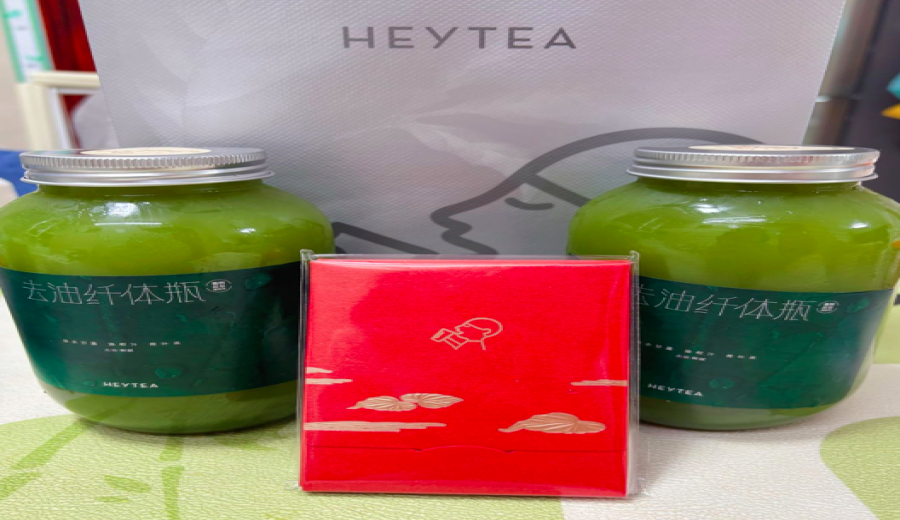
Introduction:During the Lunar New Year marketing battle, Heytea faced strong backlash from consumers in Guangdong and Guangxi after launching a lotus leaf tea slimming bottle bundled with a "grease-absorbing paper" promotional item. The design—featuring white grease-absorbing paper inside a red red-envelope-style package—was seen as violating traditional beliefs about good fortune during the new year. This article delves into the origins of the incident, explores how regional cultural differences impact brand marketing, and offers practical advice on avoiding pitfalls in festive peripheral product design.
As the Lunar New Year approaches, beverage brands are competing to launch limited-edition products to drive sales. Heytea’s newly launched lotus leaf tea slimming bottle, sold as part of a two-cup combo, came with a Lunar New Year–exclusive promotional item called “grease-absorbing paper.” However, a design oversight sparked widespread controversy. The product featured a bright red red-envelope-style exterior housing plain white grease-absorbing paper, which touched a nerve among residents in Guangdong and Guangxi regarding the colors associated with funeral supplies.
Consumer photos reveal that the promotional item closely resembles a traditional red envelope. While the vibrant red packaging was meant to evoke a festive mood, the stark contrast with the stark white thin paper revealed upon opening created an unexpected and off-putting impression. Particularly in Guangdong and Guangxi, white items are generally considered inauspicious during the Spring Festival. The jarring visual contrast with the celebratory red envelope led many to exclaim that it was “bad luck.”
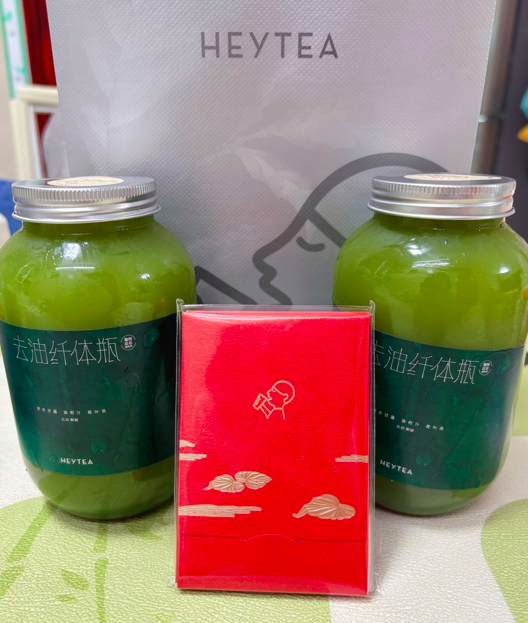
Some local consumers pointed out that even though they knew it was just functional grease-absorbing paper, the sudden appearance of white material resembling joss paper inside a red envelope instantly ruined the festive mood. Online discussions included comments such as “I’d rather get an ad flyer than a white piece of paper” and “Green packaging would go with anything without causing issues,” reflecting the public’s cultural sensitivity toward festive peripherals. Professional designers caution that color schemes for Lunar New Year promotions must take regional differences into account—for instance, southern China generally prefers red, gold, and yellow combinations, while white should be strictly avoided when used alone.
Industry insiders analyze that this case highlights the importance of localized marketing for brands. Although Heytea is headquartered in Jiangmen, Guangdong—a region where such customs are well known—the creative team may have overlooked traditional taboos. It is advised that future designs for festive peripherals not only consider aesthetics and functionality but also include cultural consultants for review, especially when targeting markets with distinct regional customs.
Some netizens hold a different view, arguing that the consumer reaction was excessive and emphasizing that the product is essentially a practical grease-absorbing paper. However, most agree that during the sensitive occasion of Lunar New Year, the red-and-white contrast can indeed easily lead to misunderstandings. This serves as a reminder to brands that beyond chasing buzz, they must balance innovation with cultural respect.
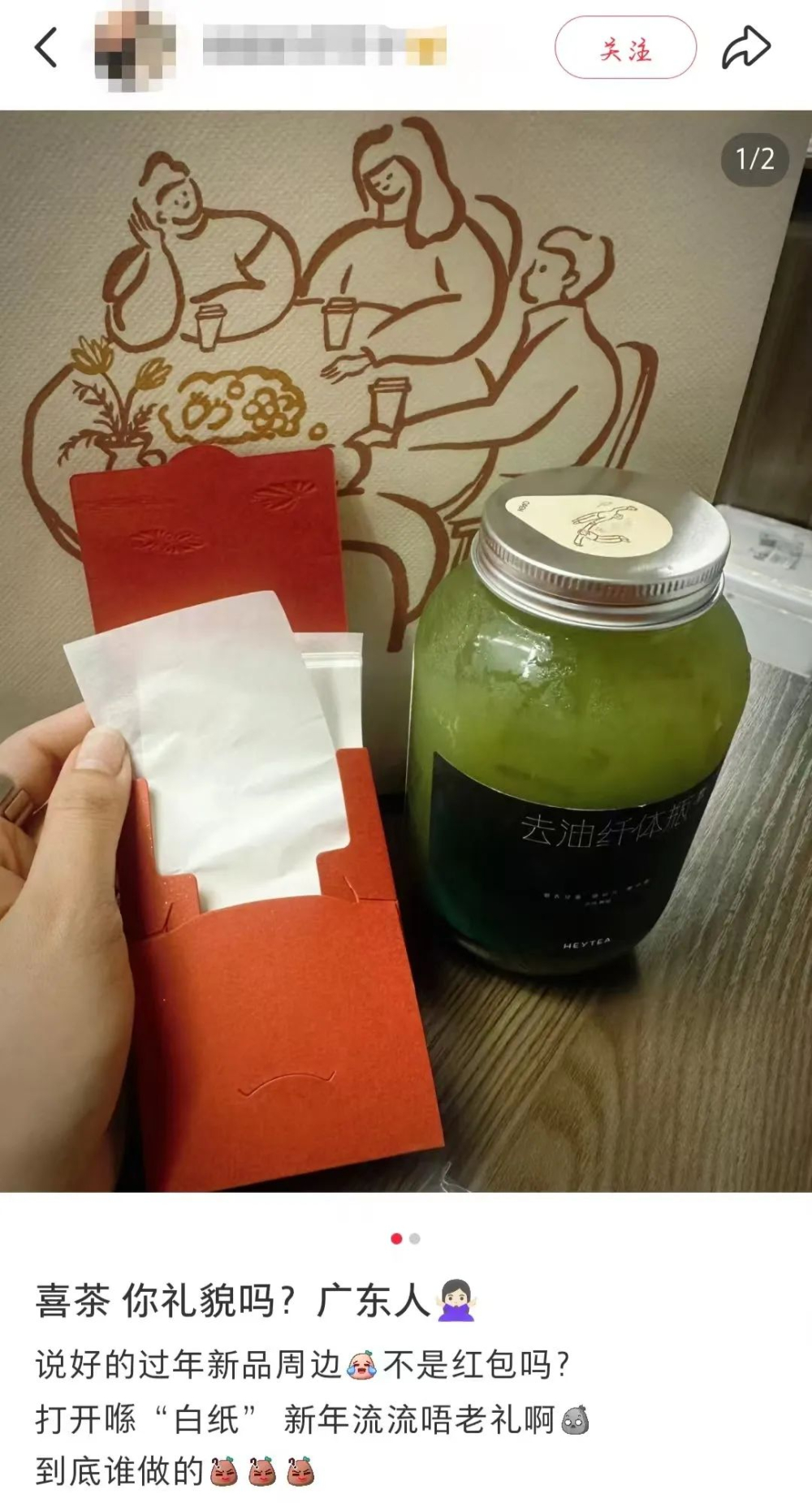
This incident sends a clear warning to the beverage industry: festive marketing must not only create talking points but also consider consumers’ emotional resonance. From coffee brewing equipment to peripheral goods, every touchpoint with the consumer requires careful assessment of cultural appropriateness to truly achieve the dual goals of boosting sales and enhancing brand goodwill.
The above content is compiled by CoffeeHunters, a coffee news website.


