








Introduction:Luckin Coffee’s popular Light Milk Tea series from last year has been significantly upgraded this year to use freshly brewed tea instead of powdered tea. Nationwide stores have been equipped with tea brewers to support this change. However, many locations have left these machines unused or even stored away. What operational challenges—from complicated cleaning processes and ingredient waste to mismatched order volumes—are these brewers actually facing? This article takes an in-depth look at the practical hurdles of implementing fresh brew tea technology and the on-the-ground considerations for store operations.
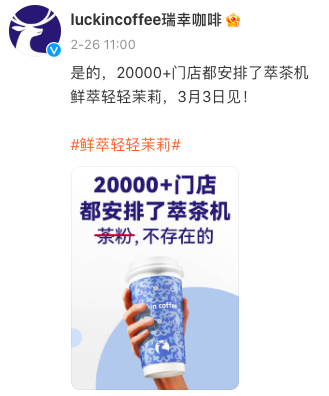
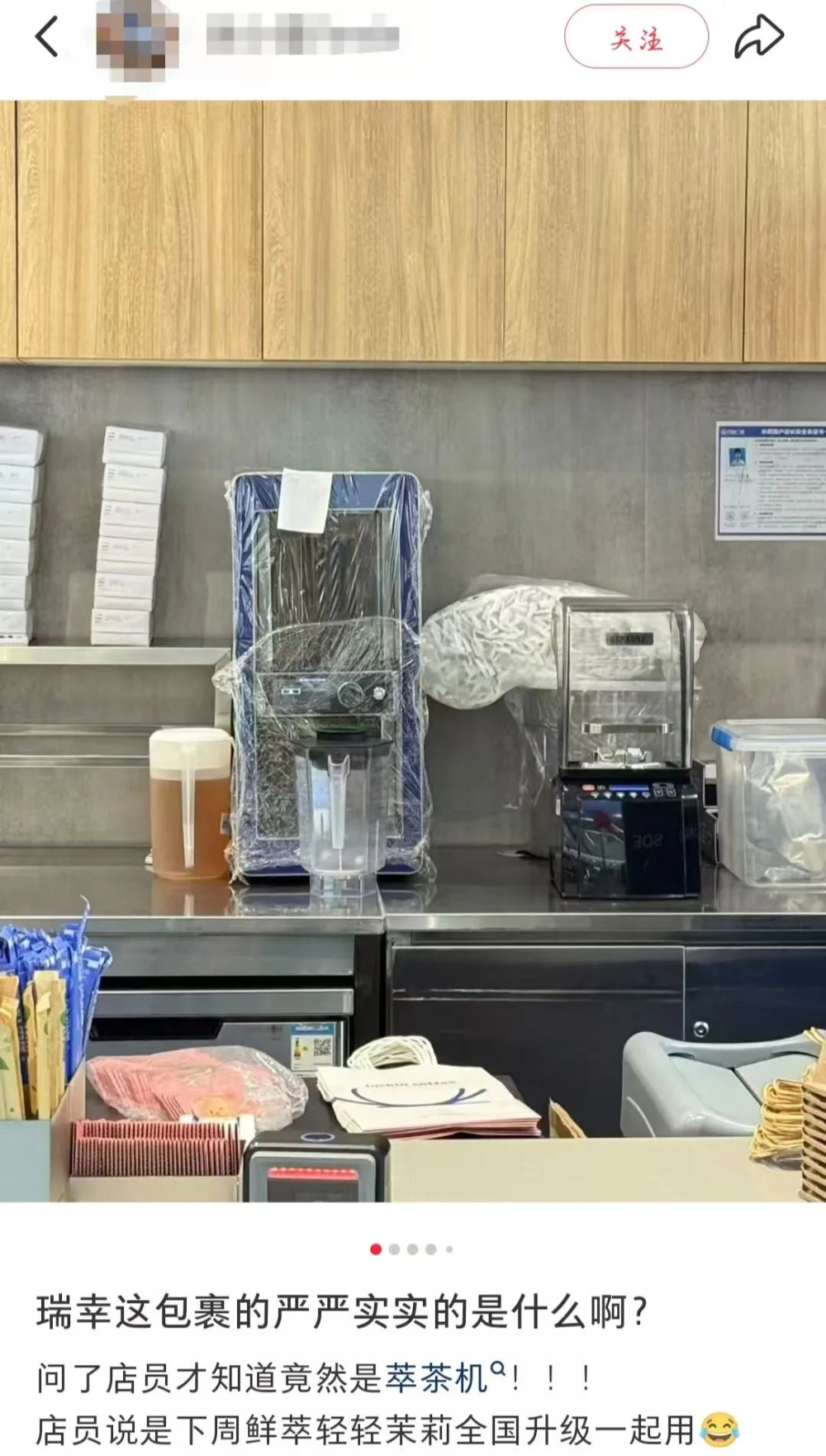
Luckin Coffee’s best-selling Light Milk Tea series from last year has recently launched a fully upgraded version, with the most noticeable change being the switch from powdered tea to freshly brewed tea. To implement this adjustment, the brand has provided professional tea brewers to over 20,000 stores nationwide. However, after the new product launch, many customers noticed that while some stores had the new equipment on their counters, it was covered with cling film, labeled “Do Not Use,” or even left untouched in storage. Why is this officially promoted machine being given the cold shoulder?
In fact, the tea brewer was designed to enhance the quality of tea in the Light Milk Tea series. Each brewing cycle requires three to five tea bags and takes about eight minutes to produce a large batch of tea, which can then be used to make the updated drinks. The official guideline mandates that all stores must use this machine to brew tea instead of using powdered tea, aiming to improve overall flavor.
However, according to feedback from multiple Luckin store employees, the device has brought several practical challenges. First, after each use, the machine must be thoroughly cleaned inside and out to avoid leftover tea residue or stains—a process that is both time-consuming and adds to the cleaning workload. During peak hours, the extra cleaning steps often impact overall service efficiency. Additionally, some staff jokingly refer to the machine as a “walking S-grade task” due to its complex structure and tendency to trap dirt; even minor negligence could compromise hygiene standards.
Another real-world issue lies in the output volume and shelf life of the brewed tea. It’s understood that each brew cycle produces a relatively large quantity of tea. For high-volume stores, this can meet peak demand and save preparation time. But for stores with lower order volumes, a full batch of tea can only be kept for four hours—if not used in time, the leftover tea usually has to be discarded, leading to ingredient waste. As a result, some employees report that on days with poor sales, using the tea brewer actually increases costs and operational pressure.
Facing these practical difficulties, many stores, with the approval of regional managers, have opted to wrap the tea brewers in cling film and label them to prevent misuse, essentially keeping them only for display purposes. Some stores have gone further by placing the new machines in storage corners to avoid adding complexity to daily operations. Meanwhile, to ensure the Light Milk Tea series remains available, certain outlets have reverted to the traditional “manual steeping” method—brewing tea by manually steeping tea leaves in hot water for eight minutes.
While this manual brewing method also requires eight minutes of brewing time, it doesn’t involve cleaning large equipment afterward, saving both labor and time. More importantly, staff can adjust the amount of tea brewed based on the day’s order volume, preventing the waste that comes from making too much tea. As a result, in some stores, hand-brewed tea has proven to be a more efficient solution in practice.
Overall, Luckin’s original intention behind introducing freshly brewed tea was to elevate product flavor and customer experience. However, in actual implementation, differences in order volumes, staffing levels, and operational habits across stores have made it challenging to roll out the tea brewers widely. Striking a balance between quality, efficiency, and cost remains a key challenge for both the brand and its stores.
The above content is compiled by CoffeeHunters, a coffee news website.


