







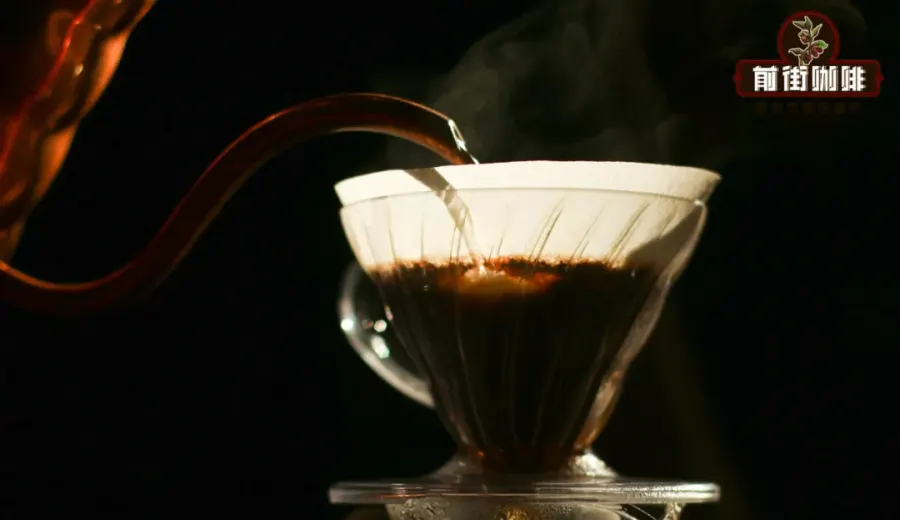
Introduction:What should you do when you open your coffee jar and find there's less than 15 grams of beans left—nowhere near enough for a standard pour over? Don't throw them away just yet. This article will teach you how to adjust your pour over parameters and make use of the characteristics of a conical dripper to overcome under-extraction and channeling caused by small coffee doses, so that even those last few grams can still showcase their full flavor. We'll also share some practical tips on saving coffee beans during brewing.
When brewing pour over coffee at home, you often run into a frustrating issue: your coffee jar is nearly empty, with only about 15 grams or less of leftover beans at the bottom. This small amount is neither enough for a single standard cup nor suitable for blending with beans of vastly different flavors. But throwing them out would be such a waste. In fact, with the right brewing strategy, these “leftover beans” can still deliver surprisingly good flavors.
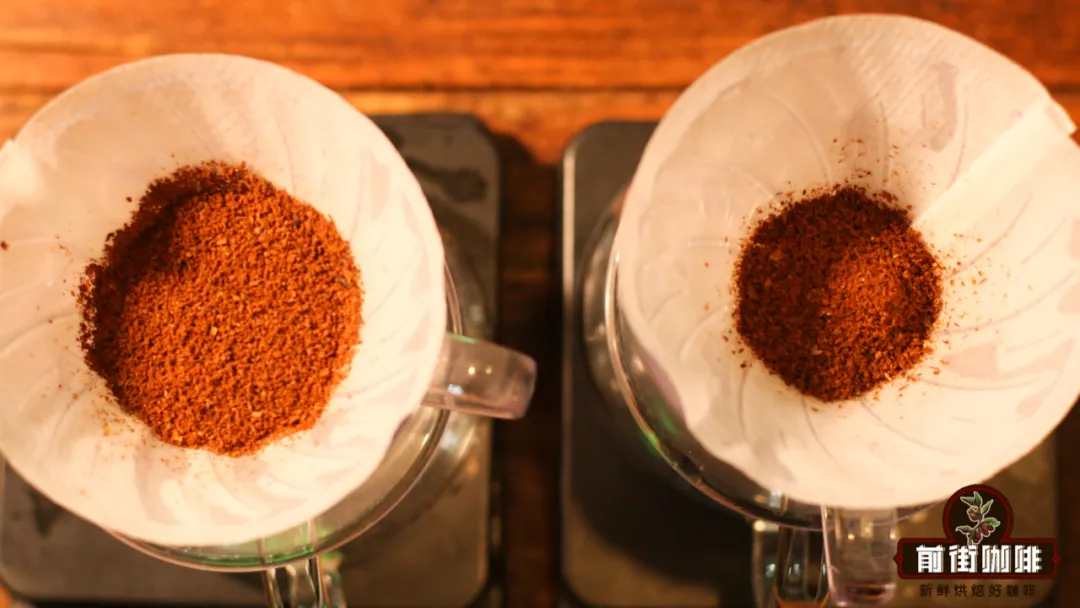
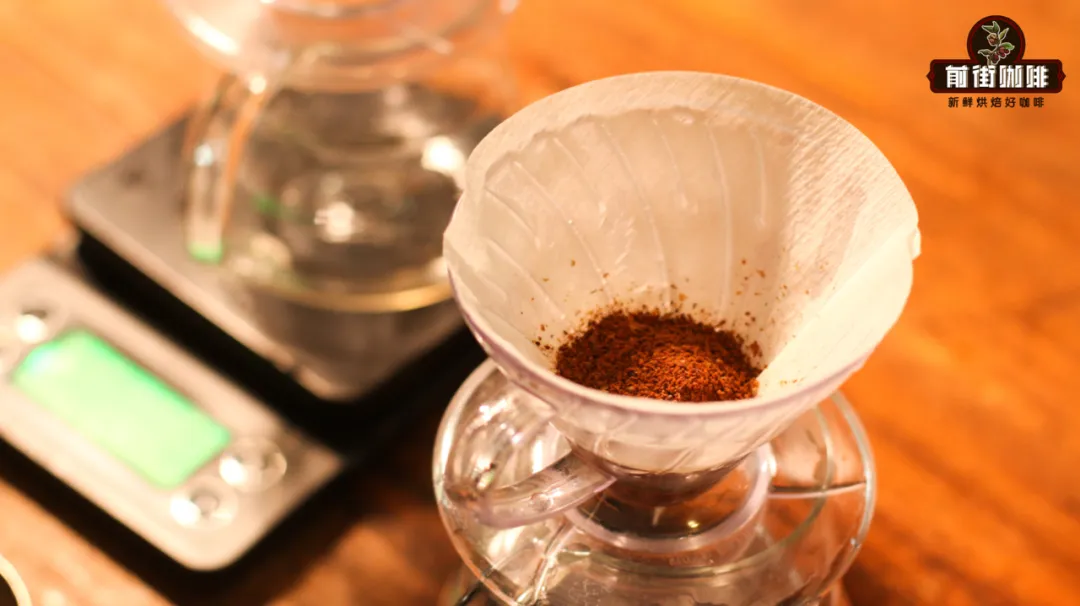
The biggest challenge in brewing with a small dose is that the coffee bed becomes too thin, resulting in reduced water volume and insufficient contact time between hot water and coffee grounds, which easily leads to under-extraction. Especially when using common conical drippers, the limited supporting surface area of the coffee bed can also cause channeling—where water bypasses the coffee bed and flows directly into the carafe—further diluting the brew and making it taste weak and bland.
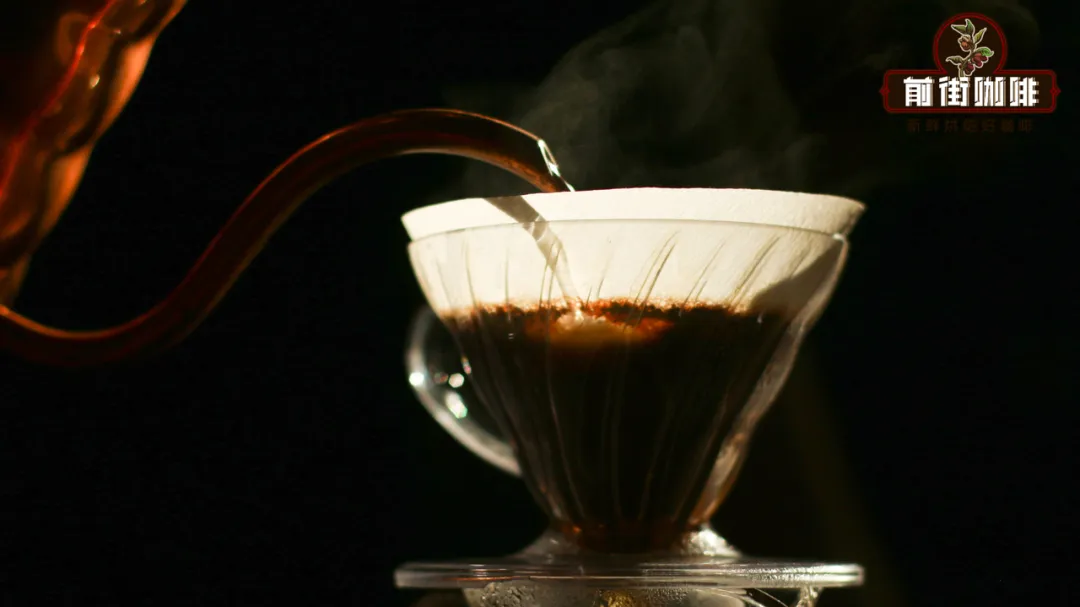
From a brewing science perspective, the amount of coffee used directly affects the thickness of the coffee bed and the total water poured, both of which significantly influence extraction efficiency. When the dose falls below the recommended range for the dripper—such as just 10 to 15 grams or even less—and you continue using the original brewing parameters like pour rate and total water volume, under-extraction is likely to occur. This means the coffee’s aroma, sweetness, and acidity aren’t fully released, resulting in a dull and unremarkable cup.
To improve this situation, it’s first recommended toadjust the grind size. Grinding the beans slightly finer increases the overall density of the coffee bed and extends the contact time of hot water, thereby improving extraction. However, be cautious—grinding too fine may lead to channeling. It's best to go just one notch finer than your usual setting, for example, adjusting from medium-fine to close to a fine grind.
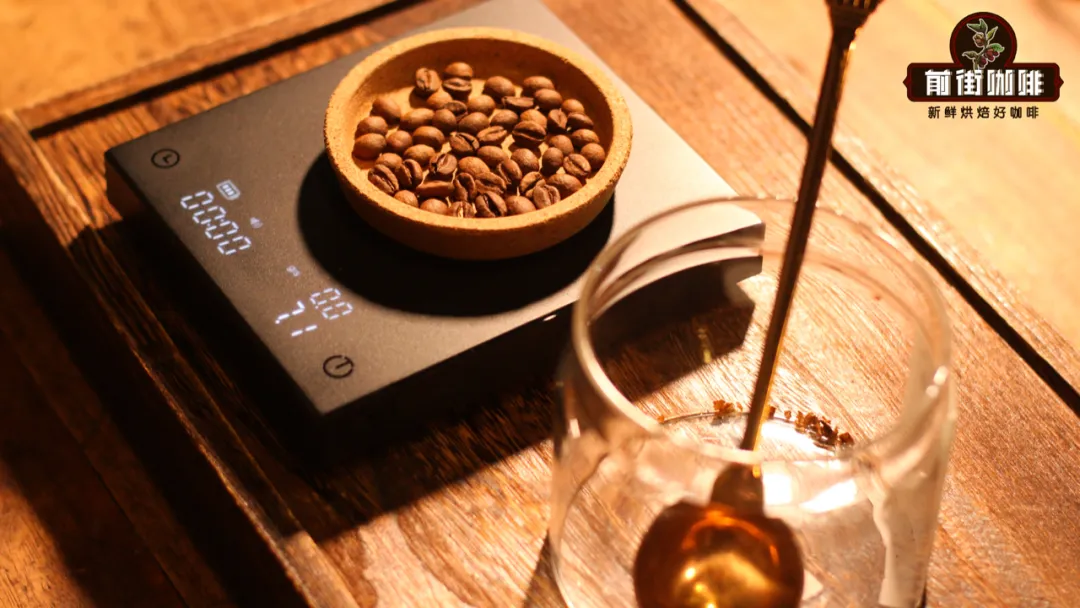
Secondly,adjusting your pouring technique and brewing stagesis also key. It’s recommended to use a “center pour” method, avoiding pouring directly on the sides of the dripper to minimize channeling. Start with a small amount of hot water for blooming (about twice the coffee weight, e.g., 30g water for 15g beans), then proceed with 2–3 pour stages distributed evenly. The total water volume can be adjusted between 200–240ml based on taste preference, but it’s important to control the pouring speed. Extending the overall brew time to over 2 minutes and 30 seconds is advised, giving the coffee grounds more time to release their flavors.
In addition, choosing the right dripper can have a significant impact on small-dose brewing. While conical drippers are widely favored, their steep interior walls and concentrated coffee bed design can lead to uneven water flow and channeling issues when using very small amounts of coffee. If possible, try using aflat-bottom dripper(such as the Kalita Wave), whose flat coffee bed structure provides a more stable extraction environment, helping achieve even extraction and reducing the risk of channeling.
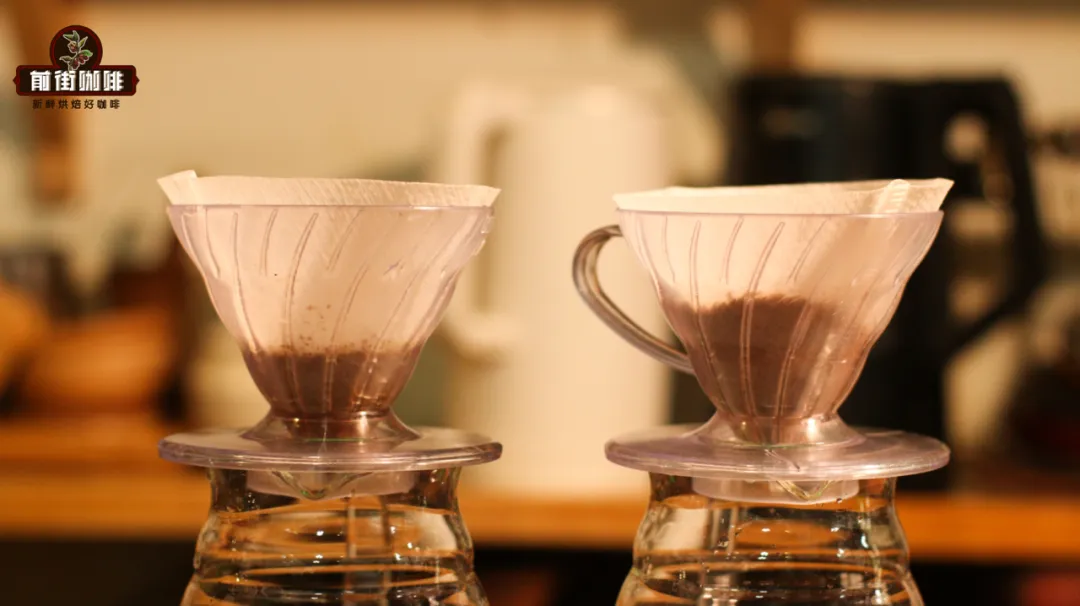
If you want to further enhance stability and flavor performance when brewing small doses, you can also consideroptimizing the pre-infusion (bloom) stage. Blooming with about twice the coffee weight in hot water (e.g., 30g water for 15g coffee) for around 30 seconds helps the coffee expand fully, making subsequent pours smoother and improving overall extraction evenness. Though it may seem simple, this step can effectively reduce the uneven extraction often seen with small coffee doses.
Finally, if you want to save even more coffee, you can also experiment with using these small amounts forespresso-style brewingorlow-water extractions—for example, brewing around 100ml of coffee and extending the extraction time slightly—to concentrate the intensity and flavor. Though the total liquid yield is lower, this approach is ideal for those who prefer a stronger taste or are making cold brew or cocktail bases.

The above content is compiled by CoffeeHunters, a coffee news website.


