







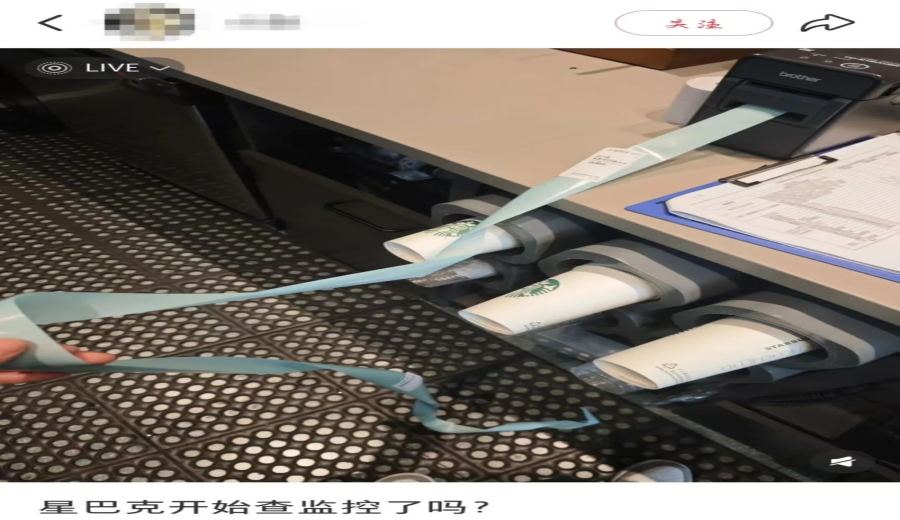
Introduction:Recently, Starbucks has been conducting detailed audits of employee operational procedures by reviewing in-store surveillance footage. The audit identified eight types of violations, including improper placement of trash can lids and non-standard cleaning of ice bins, drawing significant attention from employees. This article delves into how these often-overlooked details have become key audit focuses, explores the balance between food safety and employee compliance for chain coffee brands, and offers practical operational suggestions along with an analysis of common misconceptions.
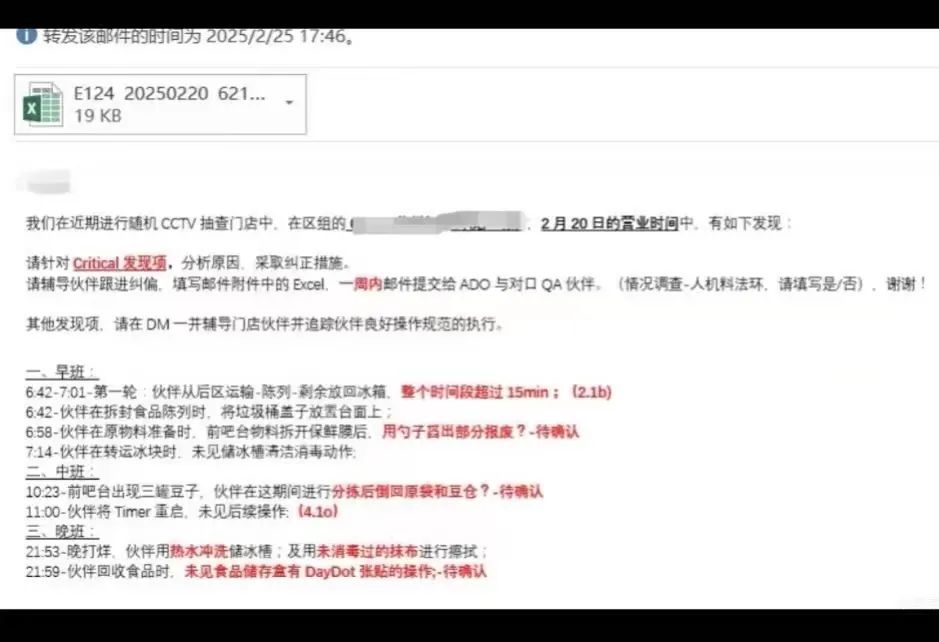
Starbucks has recently become a hot topic due to reviewing store surveillance footage and strictly examining employees’ daily workflows. According to internal emails that have leaked, the brand conducted random audits at some stores, listing up to eight violations at a time — ranging from seemingly minor operational habits, such as leaving trash can lids on countertops, to failure to properly clean and disinfect ice bins. All of these have become grounds for warnings or even termination.
After the content of this audit was made public, many current Starbucks employees reported feeling significantly increased psychological pressure. In the past, for the sake of efficiency, many baristas would simplify certain steps in their daily routines, such as rinsing ice bins directly with hot water or wiping them with unsterilized cloths. While these actions were commonly seen on-site, they have now all been included in the list of audit violations.
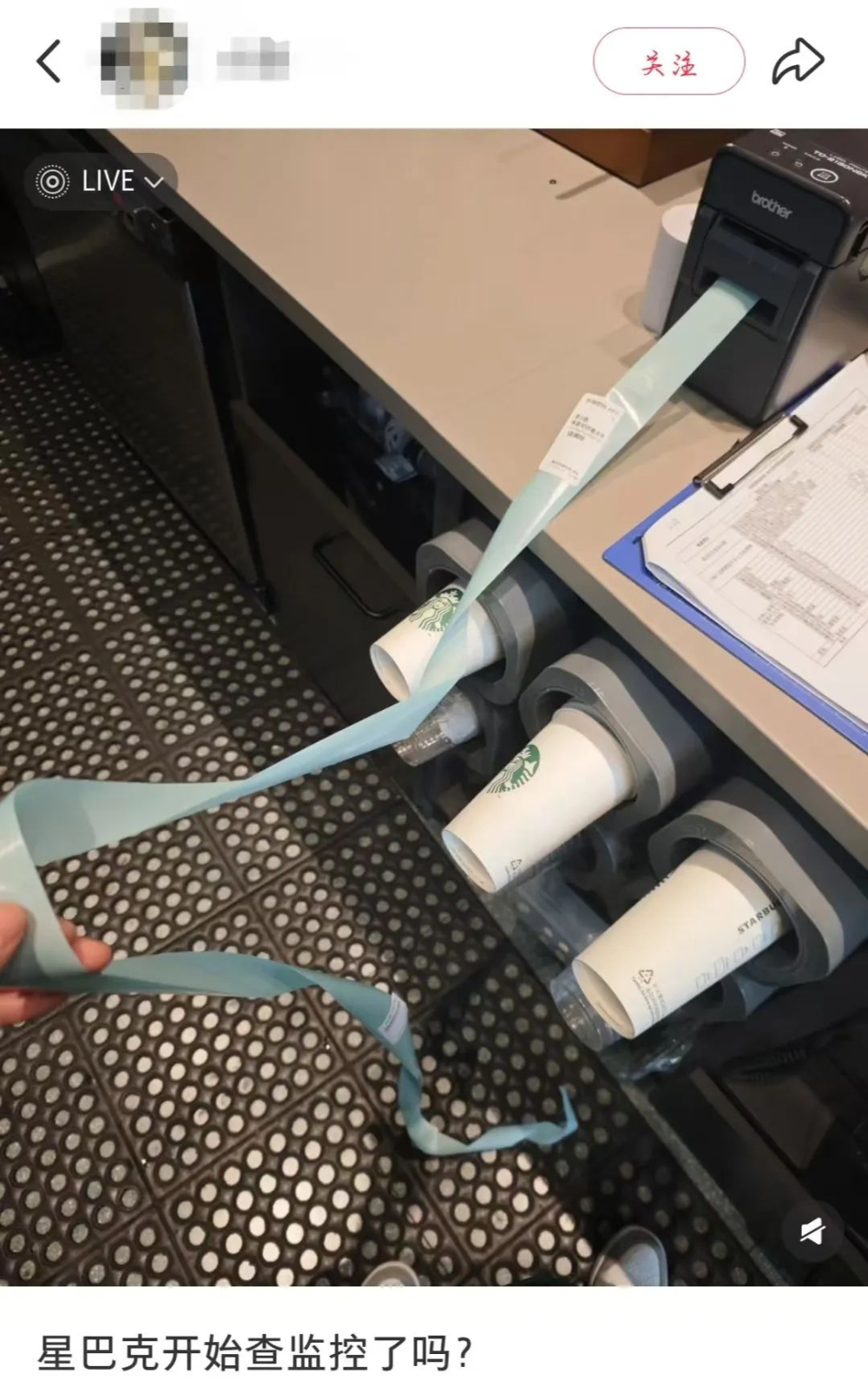
A former employee revealed that once auditors spot operational flaws in surveillance footage, the consequences can range from receiving a written warning to immediate dismissal. Multiple netizens have shared their own experiences, mentioning things like “got fired last year due to a surveillance issue,” “at the end of last year, the whole store was inspected, the store manager was fired, and employees also received serious warnings,” and “got inspected the day before yesterday, and received a layoff notice the next day.” These accounts show that the brand’s recent audit actions are so strict that they have triggered collective anxiety among frontline staff.
Notably, according to insiders, Starbucks actually launched a surveillance-based audit mechanism last year, but in the past it mostly relied on internal notifications, rarely listing violation details in emails or circulating them widely. Recently, there have also been rumors of layoffs within the brand, making frontline employees even more worried that even slight missteps in daily operations could become a trigger for dismissal.
However, some employees and customers believe that the listed violations are not without reason. For example, the seemingly trivial act of “placing the trash can lid on the countertop” — if not dealt with promptly — could increase the risk of cross-contamination; and while “rinsing the ice bin with hot water” is a common practice in many stores, it actually violates the brand’s manual guidelines.
Professionals explain that the surface of ice bins is usually made of special coatings or materials that can only be cleaned using cloths dampened with disinfectant. To speed up disinfection, some employees opt to rinse the bins with hot water, which over time may damage the rust-proof or hygienic coating on the surface of the bin, thereby increasing food safety risks. Therefore, the brand’s requirement to use disinfectant cloths for wiping is primarily aimed at maintaining equipment durability and hygiene standards.
Although employees generally feel pressured, many consumers support Starbucks’ decision to strengthen surveillance audits. One customer pointed out, “Checking the details is a sign of responsibility, and ensuring the hygiene of the beverage preparation environment is crucial,” showing that the public’s expectations for food and beverage hygiene are increasing. In addition, some former employees who left the company years ago also admitted that as long as standard operating procedures are followed, there’s no need to worry excessively about being scrutinized. However, if operational standards are neglected over the long term, disciplinary action is only to be expected.
This incident highlights the challenges faced by chain coffee brands in balancing expansion with quality control. How to ensure food safety, maintain brand reputation, while also taking into account the operational flexibility and mental well-being of frontline employees, will be an ongoing management challenge for Starbucks to optimize in the future.
The above content is compiled by CoffeeHunters, a coffee news website.


