







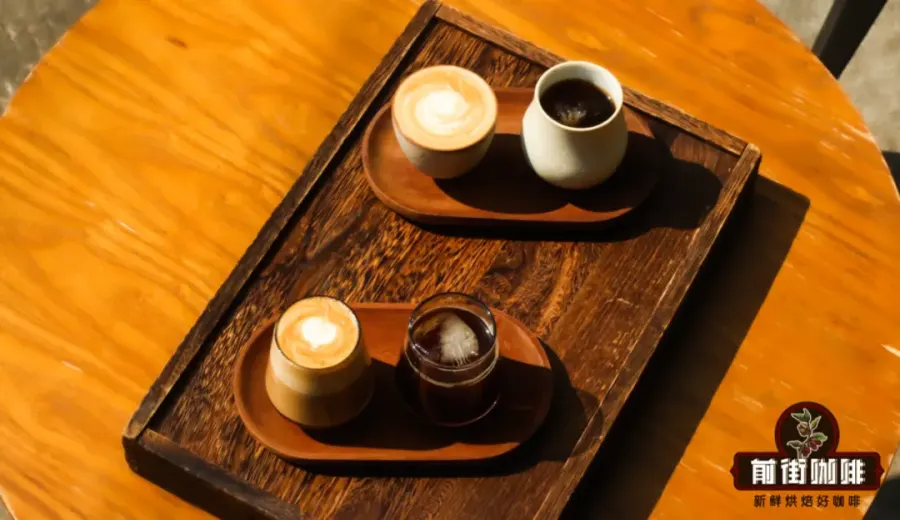
Introduction:When ordering at specialty coffee shops, you may often come across two types of combo names: Coffee Combo and Coffee Set. These can be confusing for many coffee enthusiasts. This article delves into the actual differences between the two, explores the origins and unique definitions of Combo, and explains the scenarios where Set is appropriate. It also provides practical ideas for creating a coffee Combo, helping readers easily understand the details of ordering—beneficial for both newcomers and seasoned coffee aficionados.
Walking into a specialty coffee shop, you’ll often see various coffee combination sets offered by the shop, some labeled as Coffee Combo and others as Coffee Set. Although both can be translated as coffee set meals in Chinese, there are actually subtle distinctions within the industry. This article will take a practical application perspective to thoroughly analyze the definitions, usage scenarios, and differences behind these two terms, so you won’t hesitate when placing your order.
Many coffee enthusiasts have noticed that different coffee shops use inconsistent naming for their combo sets. Some prefer using "Coffee Combo," while others opt for "Coffee Set" to denote similar offerings. This inconsistency naturally raises curiosity—what exactly are the differences between these two names? In fact, although their meanings in Chinese are similar, they have gradually developed their own unique characteristics and emphases within the coffee industry.
What is a Coffee Combo?
Coffee Combo refers to the specific type of coffee combination that we often hear about. The term originates from the abbreviation of "combination," which literally means a mix or blend. Therefore, a Coffee Combo naturally refers to a set meal that combines multiple types of coffee or coffee-related products. In many specialty coffee shops, a Combo typically includes coffee beans with different flavor profiles, brewing methods, or even paired snacks, offering customers a diverse tasting experience.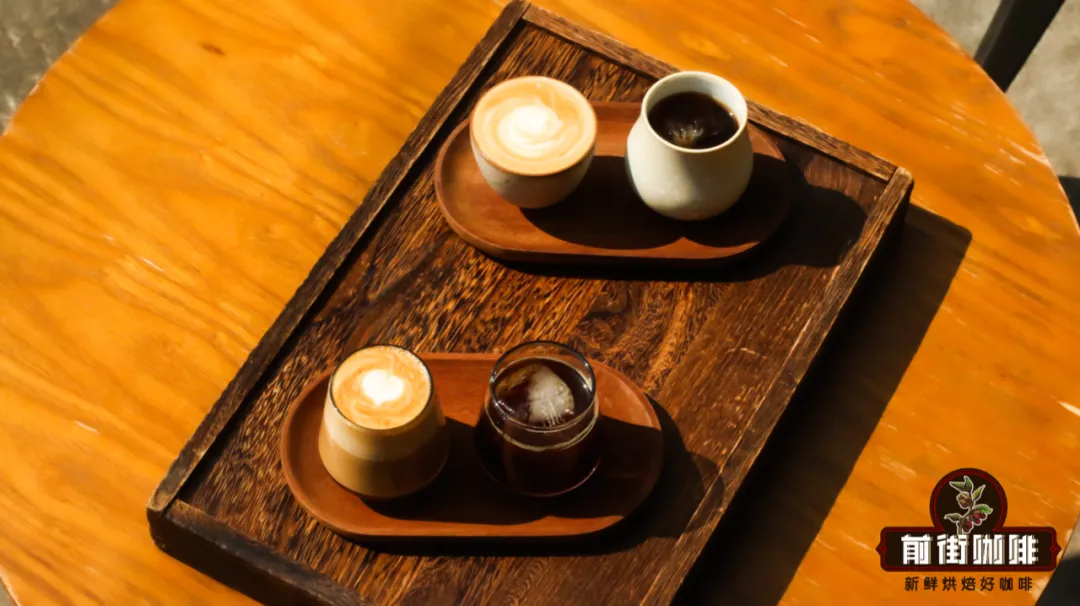
The origin of Combo can be traced back to the concept of combination meals in the food and beverage industry, which was later adopted by the coffee sector and gradually formed its own unique definition. Such set meals are usually thoughtfully designed—not only considering the flavor pairing of the coffees but also focusing on the overall dining experience. For example, some Combos might pair a strong Espresso with a light pour over coffee, allowing customers to experience the charm of various brewing methods in a single order.
Ideas for Creating a Coffee Combo
When crafting a Coffee Combo, baristas usually consider several key factors:flavor balance, brewing method pairing, and customer taste preferences. First, flavor balance is core—each coffee in the combo should achieve harmony among acidity, sweetness, and bitterness. For example, you could pair an African bean with prominent fruity acidity with a South American bean that is rich and low in acidity, creating a layered and complex profile.
Secondly, the pairing of brewing methods is also important. Common combinations might include pour over, espresso, and cold brew, each highlighting different characteristics of the coffee beans. Pour over showcases delicate flavors, espresso delivers a bold intensity, and cold brew offers a refreshing finish. Lastly, the customer’s taste preferences are also a key factor—baristas will adjust the combo content based on feedback to ensure the best possible tasting experience.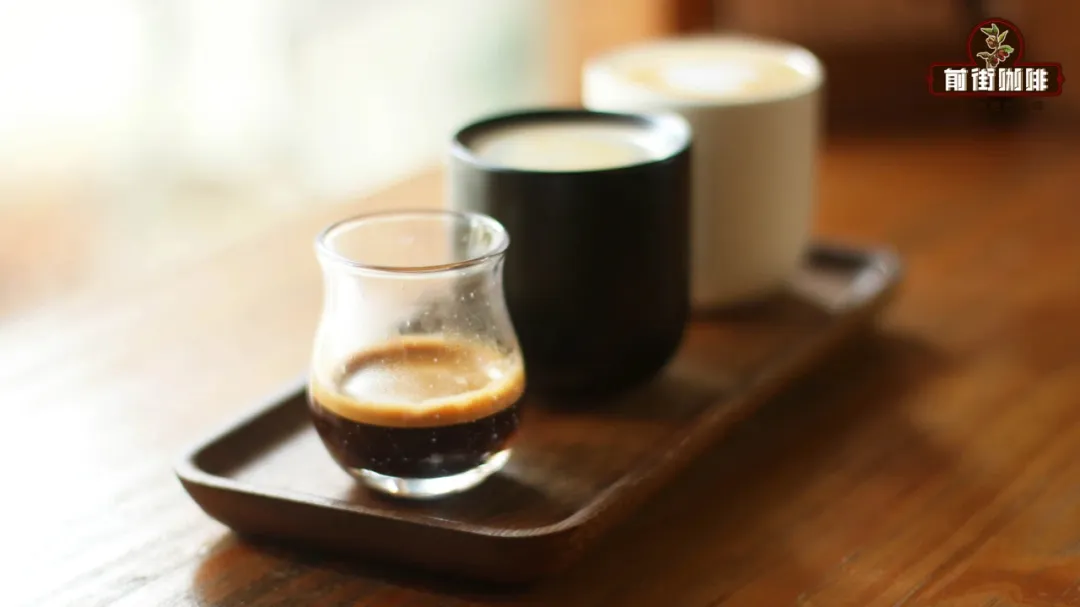
What is a Coffee Set?
Compared to Combo, a Coffee Set generally leans more toward a complete coffee experience package. Though the use of this term in the industry is relatively flexible, generally speaking, a Set places more emphasis on the overall cohesion and completeness of the offering. For instance, a Coffee Set might include a main coffee, a paired drink (like tea or juice), and a small snack, forming a complete afternoon tea set.
In certain contexts, a Set may also specifically refer to a themed coffee offering—such as a limited-edition combo designed for a particular season or holiday. Such Sets often incorporate elements aligned with the theme, such as holiday specials or seasonal fruits, providing a more distinctive experience for customers. The usage of Set typically leans more toward casual gatherings or social occasions, emphasizing the overall ambiance and enjoyment.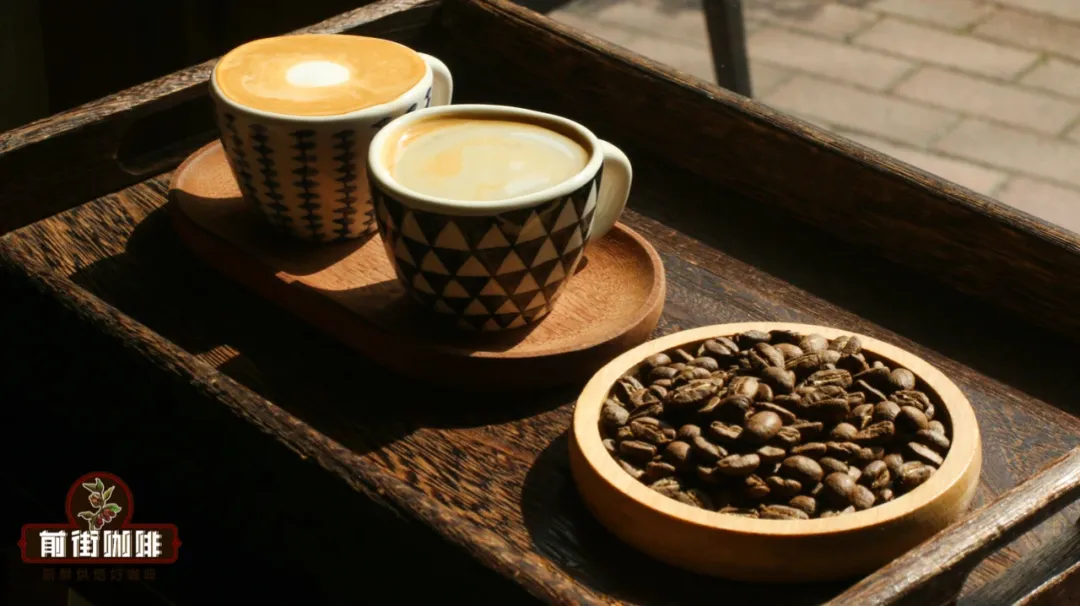
Practical Differences in Application
In the actual operation of coffee shops, the difference between Combo and Set often depends on the shop's own definition and market positioning. Some shops may view Combo as a more affordable combination option, emphasizing diversity and value for money; whereas Set may be positioned as a higher-tier experience, focusing on overall quality and service.
For customers, understanding the difference between the two helps in selecting the coffee combo that best suits their needs. If you wish to sample multiple styles of coffee in one go, Combo may be the better choice; if you prefer a full coffee experience that includes paired drinks and snacks, then Set might be more in line with your expectations.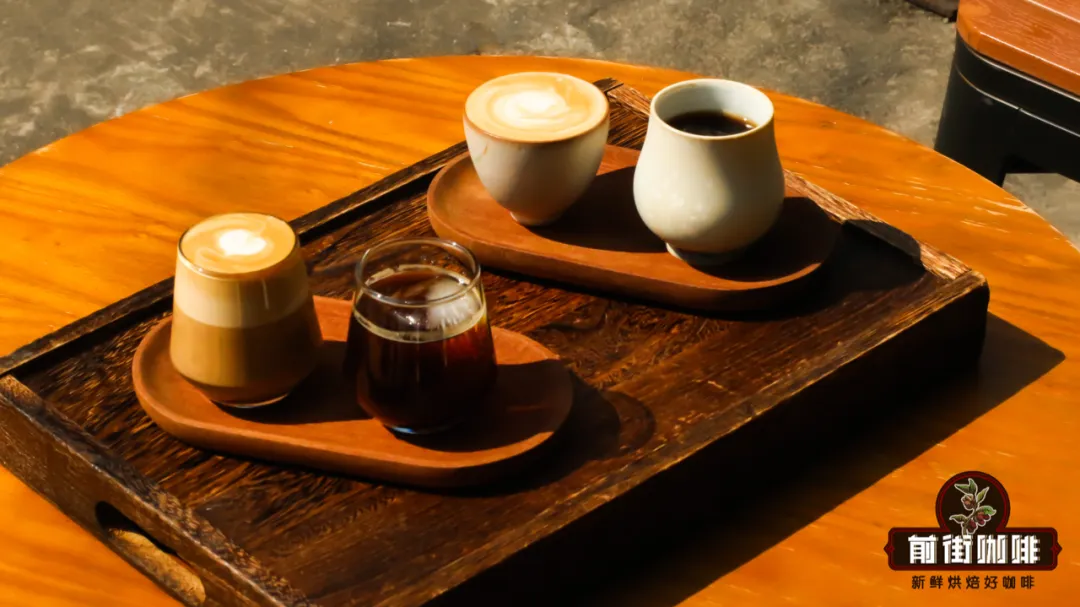
Overall, whether it’s a Coffee Combo or a Coffee Set, both are creative combinations designed by coffee shops to meet the varying needs of customers. Understanding their definitions and characteristics allows you to order more confidently and enjoy a richer coffee experience. The next time you walk into a coffee shop, feel free to choose the combo that best suits your taste and explore the endless possibilities of coffee.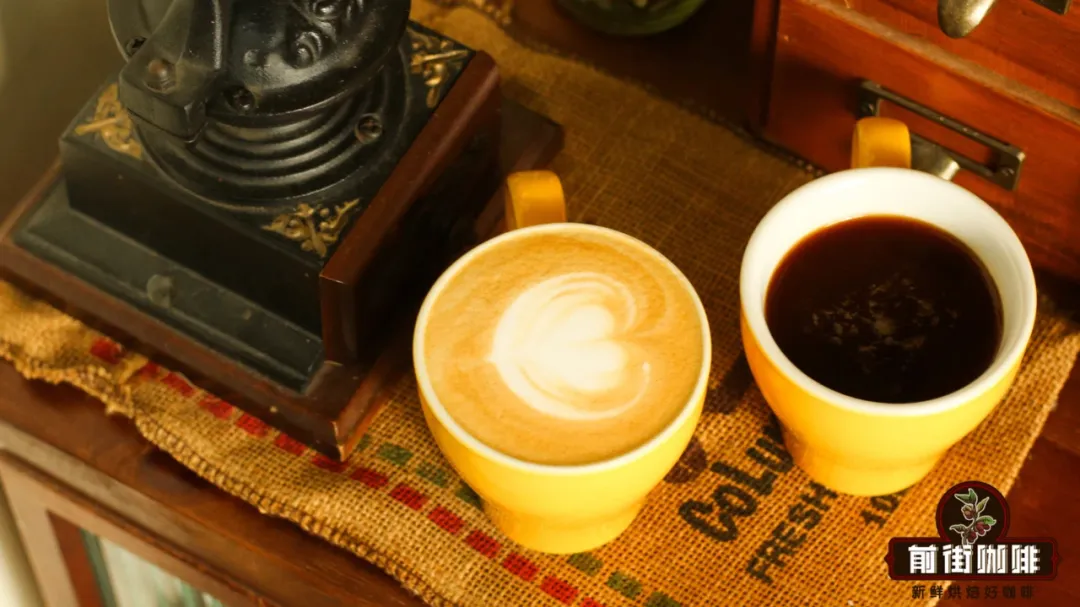
The above content is compiled by CoffeeHunters, a coffee news website.


