







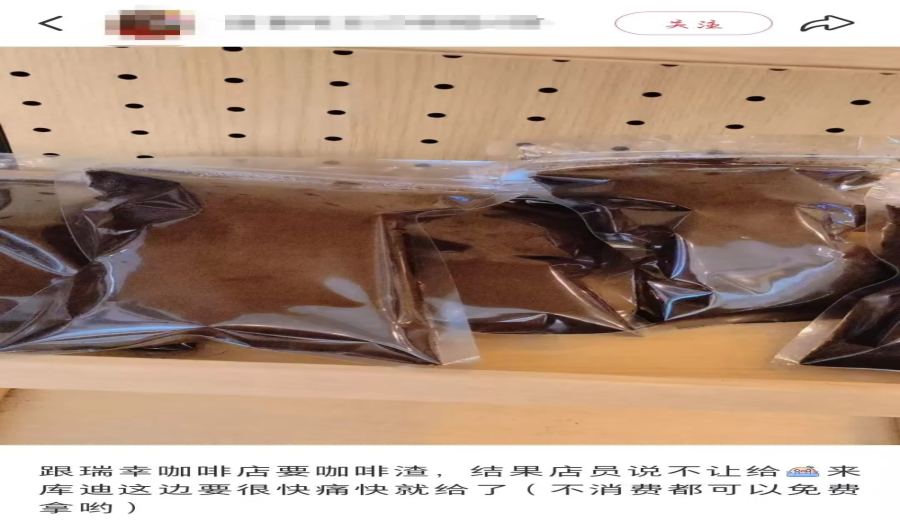
Introduction:Coffee grounds are not just kitchen waste; to many, they are also a natural cleaner, deodorizer, and composting aid. But when you ask cafés for them, some brands are happy to provide, while others flatly refuse. Why does Luckin firmly deny requests, while Cotti hands them out generously? This article delves into the differences in how chain cafés handle coffee ground disposal, reveals potential penalties staff may face, and offers practical advice on how to properly use coffee grounds.
As coffee becomes a staple in many people’s daily lives, used coffee grounds are not only waste but are also favored by DIY enthusiasts and eco-conscious individuals for their versatile uses. From promoting plant growth in compost to deodorizing refrigerators and cleaning oil stains, the uses of coffee grounds are endless. However, getting these “by-products” for free is not something every café is willing to accommodate.
Recently, some customers shared their experiences: when asking Luckin stores if they could get coffee grounds, they were turned down by the staff. But when they visited a nearby Cotti store, they were able to get several pre-packaged bags of coffee grounds without even making a purchase. This inconsistent treatment sparked curiosity and discussion, turning the question “Why does Luckin refuse, but Cotti provides?” into a hot topic.
In fact, aside from Luckin, most chain brands—including Starbucks, Manner, some community-based cafés, and Cotti—usually offer leftover coffee grounds for free upon customer request. Some even pre-package the grounds, place them in visible spots inside the store, and provide simple usage instructions for customers to take.
However, Luckin seems to be an exception in the industry.Many customers report that regardless of whether they make a purchase, whenever they ask Luckin stores for coffee grounds, they are almost always refused by staff citing “company policy.”This uniformly negative response has left many puzzled, even suspicious of hidden reasons.
Regarding this phenomenon, an insider from Luckin revealed that it is actuallyan explicit company rule. Moreover, under in-store surveillance, if a staff member is found giving away coffee grounds that should be discarded to a customer, it could be considered a violation. According to the employee, at best, the staff might be reprimanded by the store manager or auditor,and at worst, they could face fines or other penalties. As a result, most staff prefer to refuse rather than risk violating the rules.
As for why Luckin has implemented such a rule, there are various speculations online. One of the more widely circulated theories is that in the past, a consumer who re-brewed coffee grounds obtained from a café experienced discomfort after drinking it and subsequently sought compensation from Luckin. This led the brand to ban the provision of coffee grounds altogether to avoid similar risks. However, this claim has not been officially confirmed, nor is there any supporting news report, leaving its authenticity in question.
Still, many netizens have shared amusing anecdotes, such as someone asking a Cotti barista for coffee grounds only to say they wanted to use them to make cold brew at home. There was also a former Starbucks employee recalling a customer who complained about the coffee tasting bad and having too much sediment, then taking the packaged coffee grounds back to question the barista about their brewing skills. These cases make one wonder if some truly believe coffee grounds can be re-brewed like tea leaves.
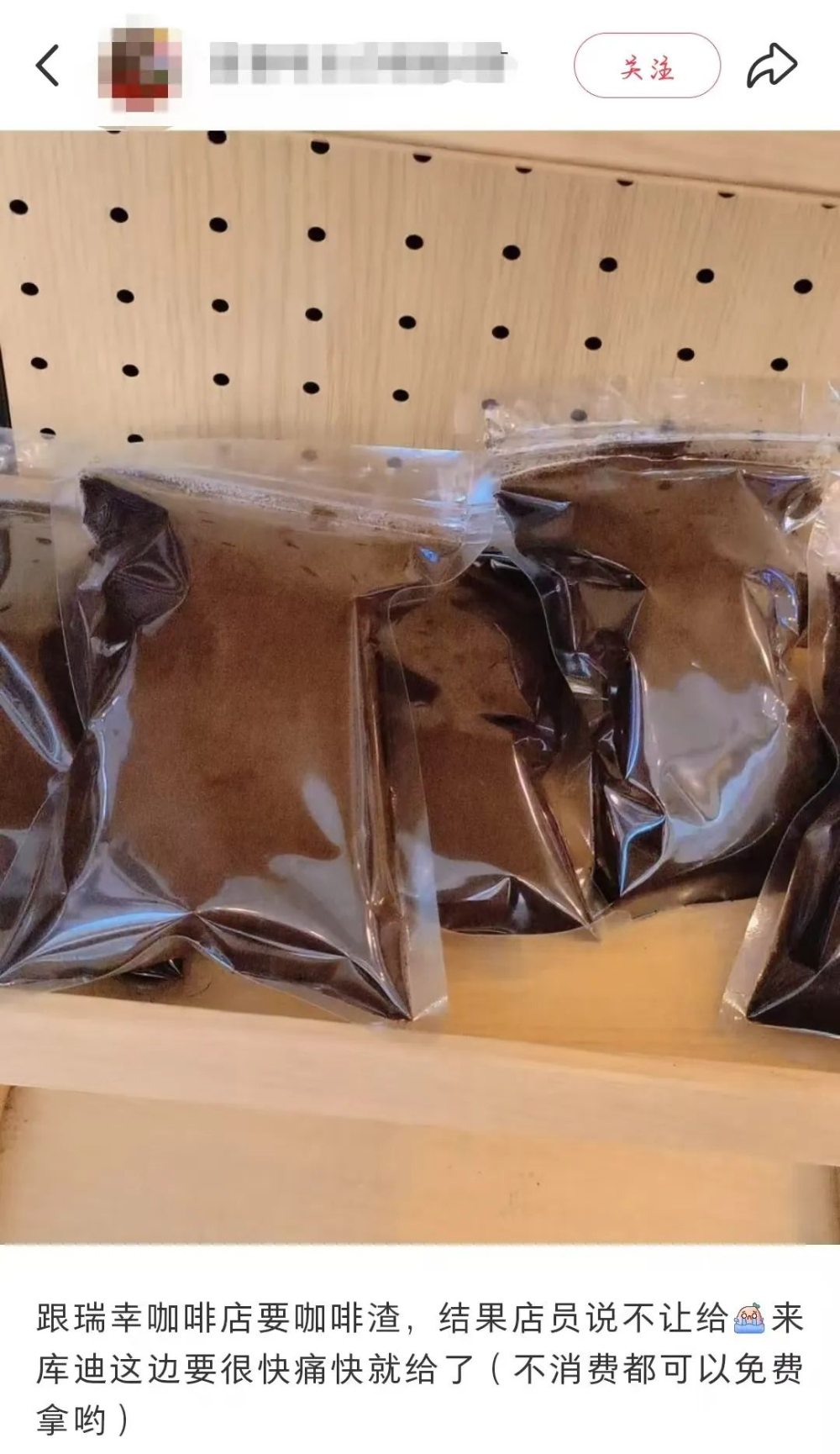
Industry insiders point out that coffee grounds are inherently residual material from the roasting and extraction process,and are neither recommended nor suitable for re-brewing and consumption. Not only is the flavor completely gone, but improper storage or contamination with foreign matter could also pose health risks. Therefore, even though some consumers may try it out of thriftiness or curiosity, the industry generally believes that warnings are necessary to prevent accidental ingestion or misuse.
For those looking to make good use of coffee grounds at home, professional coffee organizations suggest that they are excellent for household cleaning—such as removing odors from cutting boards or scrubbing oil stains. They can also serve as natural deodorizers, placed in shoe cabinets, refrigerators, or closets to absorb moisture and smells. Additionally, for gardening enthusiasts, coffee grounds are a high-quality organic compost material that can help improve soil pH and aeration.But remember: coffee grounds must never be re-brewed for drinking, in order to protect your health.
In conclusion, although the policies of Luckin and Cotti regarding the provision of coffee grounds differ greatly, the underlying reasons involve not only corporate risk management and the impact of past incidents, but also the actual work pressures and compliance standards faced by staff. For consumers, understanding the proper uses of coffee grounds—and avoiding misconceptions and misuse—is the more important takeaway.
The above content is compiled by CoffeeHunters, a coffee news website.


