








Introduction:Cleanliness is one of the key indicators in evaluating the quality of specialty coffee, but many coffee enthusiasts have misconceptions about its definition. This article delves into the two core meanings of cleanliness: first, the absence of negative or defective flavors, and second, the clarity and distinctiveness of positive flavors. Through cupping standards and real tasting experiences, we will help you understand how to assess the overall quality of coffee through cleanliness and master the key points of evaluation.
In the specialty coffee evaluation system, cleanliness plays a pivotal role. However, many coffee lovers have varying degrees of misunderstanding about this concept. Some believe that cleanliness means the flavor is one-dimensional, or that the brewed coffee looks clear and transparent—these ideas are actually quite different from the true definition.
In fact, cleanliness is not only about whether a coffee has negative or defective tastes, but also closely related to the clarity of positive flavors. This indicator can directly reflect the overall quality level of the coffee and is an indispensable part of cupping evaluations.

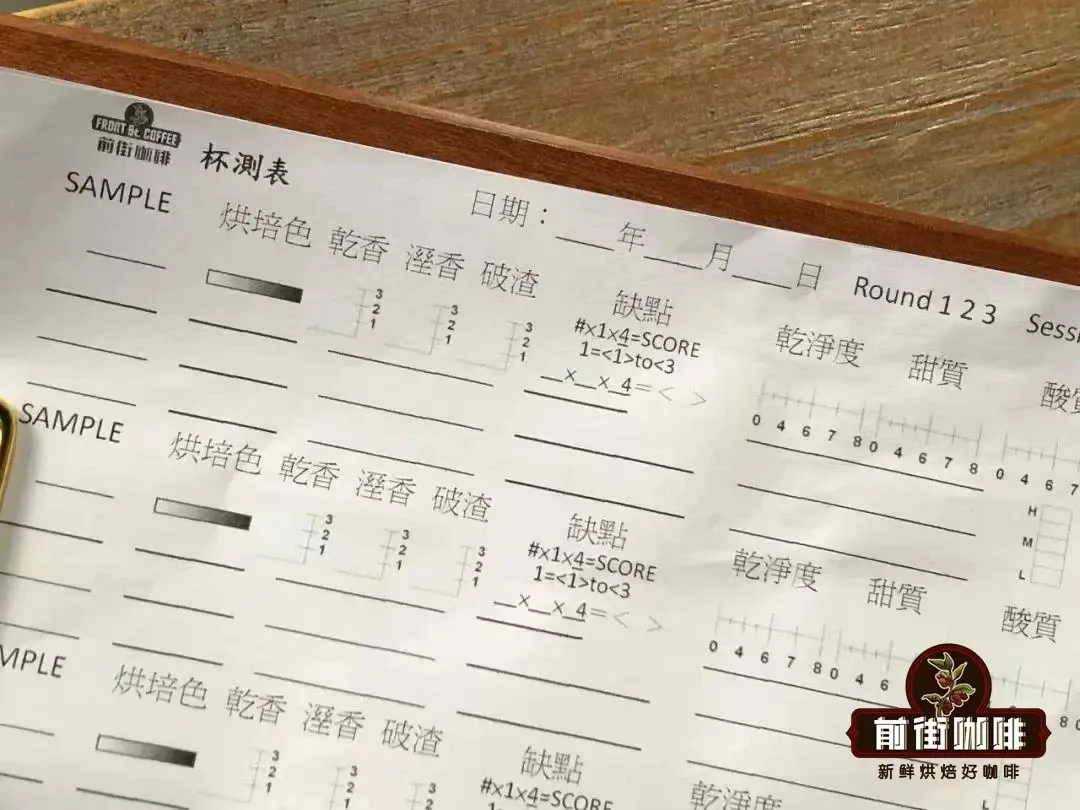
According to professional cupping standards, whether it’s the SCAA or COE score sheets, “Clean cup” (cleanliness) is an important scoring item. For a coffee to score high in cleanliness, the primary requirement is that it must have absolutely no negative or defective flavors.
These negative flavors may stem from any stage of the process—planting, processing, roasting, or brewing. For example, unripe cherries mixed in can bring about the smell of dry hay or roasted sunflower seeds; beans that have been in a high-humidity environment for too long during processing are prone to moldy tastes; overly intense roasting may lead to burnt or bitter notes; and high extraction rates or using overly fresh beans may also result in unpleasant sensations such as astringency, bitterness, or dryness.
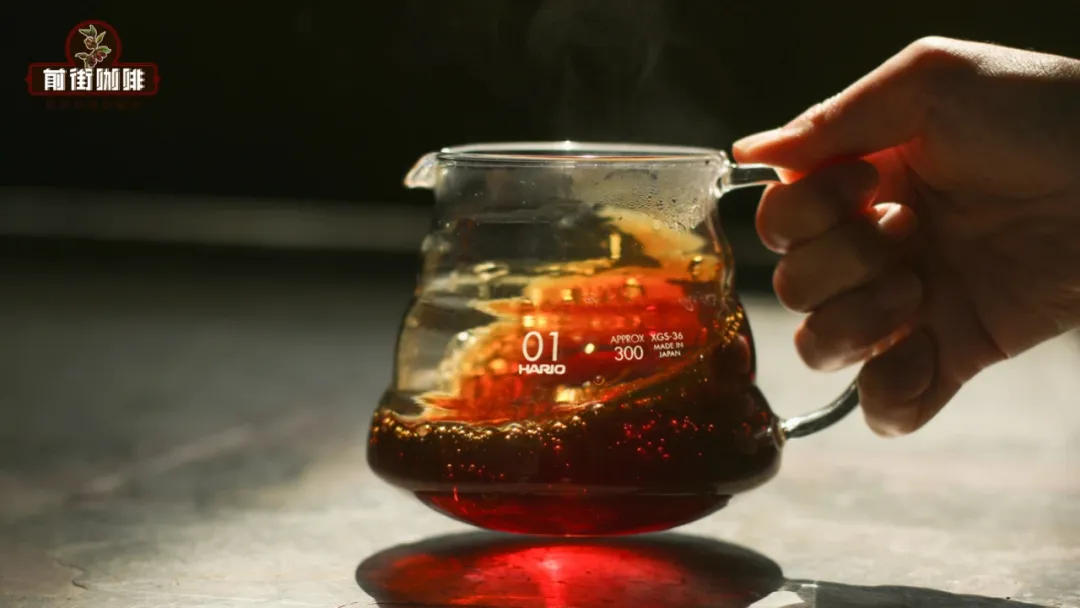
These defects not only severely impact the drinking experience but also interfere with our ability to discern the positive flavors of the coffee. Therefore, when judging whether a coffee is clean, the first thing to consider is whether it has basic purity—that is, the absence of any unpleasant flavors.
Once it is confirmed that the coffee has no negative characteristics, the evaluation of cleanliness moves to the second level—the clarity of flavors. This is the key factor that truly distinguishes the quality level of coffee.
If, upon tasting, we cannot clearly associate the flavors with anything specific, or even struggle to describe the general category, then the cleanliness of that coffee will naturally not be very high. On the other hand, if we can roughly identify that the flavors belong to categories such as berries, tropical fruits, or white floral notes, the cleanliness score will improve.
The highest level of cleanliness performance is when you can distinctly taste specific flavors in the coffee—such as orange, citrus, cherry tomato, or jasmine—and these flavors are clear and unmistakable, with no negative flavors interfering. This kind of performance is like “crystal-clear” water, so pure that you can see all the details at the bottom.
It’s worth noting that high cleanliness does not mean the flavor profile is one-dimensional or lacks complexity. In fact, many complex and flavor-rich specialty coffees can also demonstrate excellent cleanliness. The key lies in the clear boundaries between various flavors and the absence of defective tastes.

In practical tasting, evaluating cleanliness can start with the following steps: first, pay attention to any off-flavors or unpleasant textures; second, try to identify the main flavor categories; and finally, observe whether those flavors are clear, persistent, and free from muddiness.
In summary, the reason cleanliness has become a key indicator in specialty coffee evaluation is that it directly reflects the overall quality of the coffee. The higher the quality of the coffee, the more likely it is to demonstrate outstanding cleanliness.

Understanding the true meaning of cleanliness not only helps you evaluate coffee more accurately, but also allows you to make wiser decisions when selecting coffee beans or adjusting brewing parameters. Through continuous practice and comparison, you will gradually develop a keen sensitivity to cleanliness.
The above content is compiled by CoffeeHunters, a coffee news website.


