








Introduction:In recent years, the tea beverage industry has placed increasing emphasis on ingredient transparency. Once praised for using A2 milk, HeyTea no longer allows most outlets to accommodate requests to “remove the tea base,” affecting customers sensitive to caffeine. This change involves considerations of cost control, store policies, and supply chain agreements, while also reducing an option for consumers seeking high cost-performance combinations. This article analyzes the reasons behind the policy and offers practical alternatives.
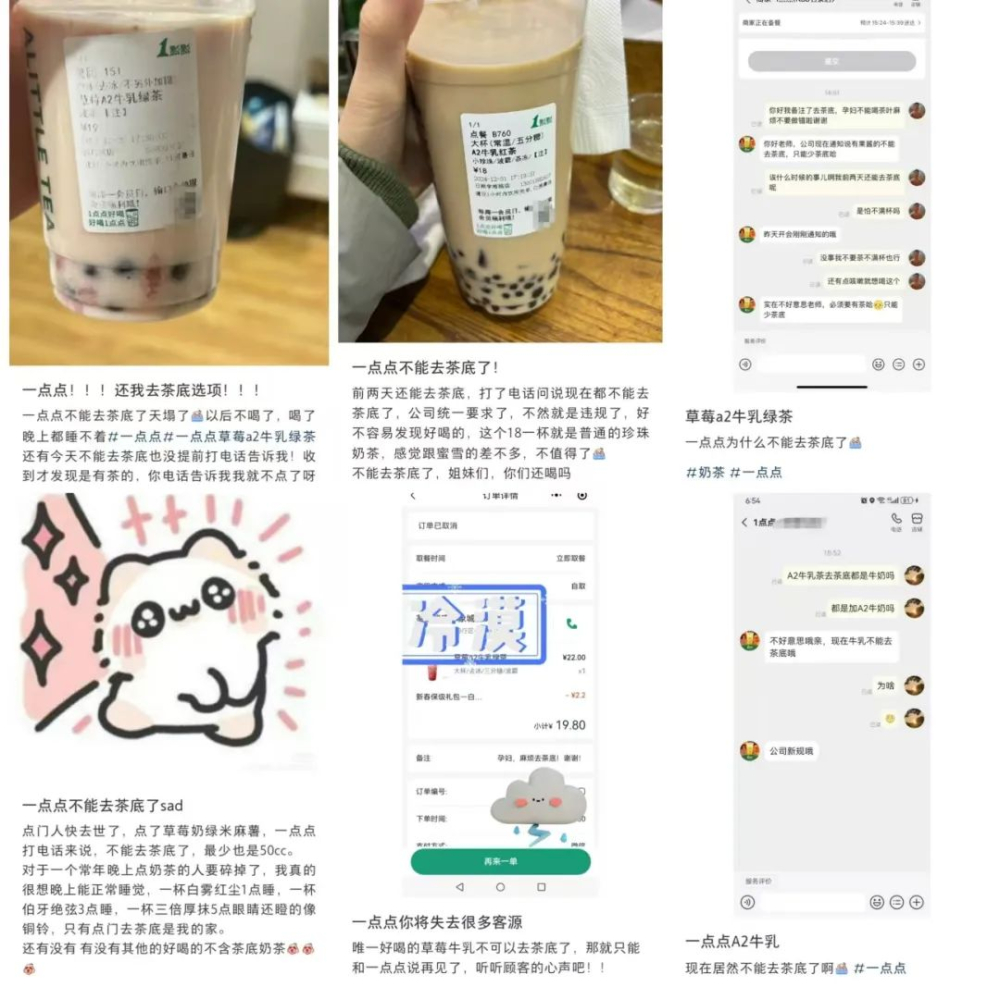
Following the Iceberg Latte incident, consumer attention to the ingredients in milk tea has significantly increased, particularly regarding the use of non-dairy creamer and base milk. Against this backdrop, HeyTea, which had long used A2 milk in its drinks, earned praise from many customers and was seen as a rare clean player in the industry. However, many regulars have recently discovered that the option to customize drinks by requesting “no tea base,” once available through special instructions, is now no longer accepted by stores.
In the past, HeyTea allowed customers—such as pregnant women or children—who are sensitive to caffeine to request the removal of the tea base and its replacement with milk. This flexible measure was well received by many consumers; some even transformed original milk tea into fruit-flavored milk beverages and shared their personalized recipes on social media. However, this customer-friendly option has now been discontinued.
According to store staff, the cancellation of the “no tea base” option is mainly due to the increased usage of A2 milk for such orders, which raises the cost per drink. When customers opt to remove the tea base, the tea portion of the drink must be replaced with additional milk, thereby increasing ingredient expenses. Additionally, some customers have noticed that in certain regions, large-sized milk drinks without tea are even cheaper than A2 fresh milk sold at convenience stores, and they can still add toppings, making this combination attractive to some.

The industry speculates that this policy adjustment may also be related to supplier agreements. Internal sources indicate that there are relevant cooperation terms between the brand and milk suppliers, leading to a recent unified enforcement of the policy against accepting “no tea base” requests. Moreover, some believe that if customers only purchase milk-based drinks without tea, it is akin to directly buying raw ingredients—an uncommon practice in the food and beverage industry. Similar to how ice cream is not sold as a standalone ingredient, the brand may have implemented this ban to prevent staff from conducting unauthorized operations that could result in penalties.
For the average consumer, this change may have little impact, but for those who are sensitive to caffeine—especially those prone to insomnia after drinking tea at night—the loss of the “no tea base” option is undoubtedly a significant drawback. Many users have expressed the hope for more flexible product designs, such as introducing drinks specifically tailored for caffeine-sensitive individuals, allowing them to still enjoy milk-based tea options without a tea base and made primarily with A2 milk.
Experts suggest that customers sensitive to caffeine, besides looking forward to brands offering alternatives, might also consider other low-caffeine or caffeine-free beverages, such as plant-based milk drinks, or directly purchasing certified low-caffeine teas. Additionally, if they still wish to enjoy HeyTea’s milk series, they can choose items with lighter tea flavors and reduce steeping time to lower caffeine intake.
In summary, HeyTea’s decision to cancel the “no tea base” option, while based on considerations of cost and supply chain management, has presented a dilemma for certain groups of consumers. Understanding one’s own needs and seeking suitable alternatives can help enjoy delicious drinks while also taking health and comfort into account.
The above content is compiled by CoffeeHunters, a coffee news website.


