







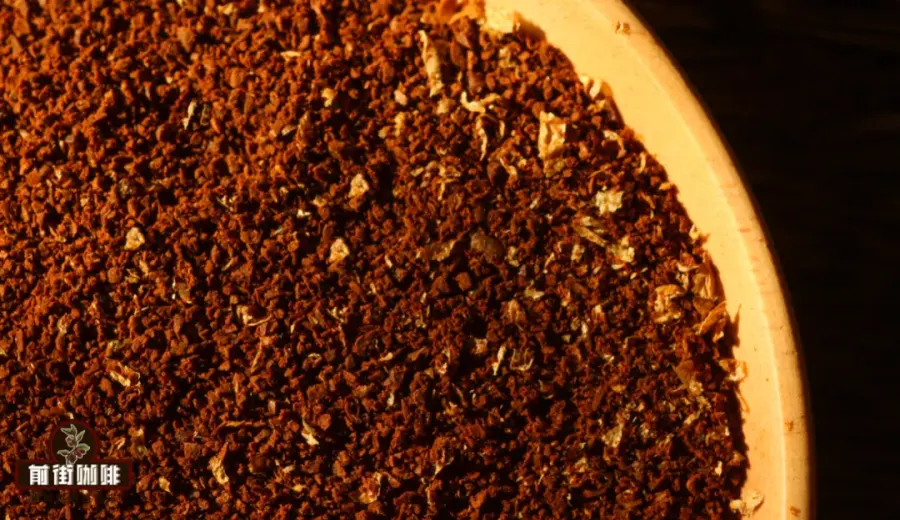
Introduction:When grinding coffee, have you often noticed white fragments mixed in with the coffee grounds? These commonly misunderstood fluffs are actually coffee silver skin, and their residue is closely related to the processing method. This article delves into the core differences between washed and natural coffee, using real photos to show you how silver skin remains under different processing methods, and offers practical brewing tips and cleaning methods to help everyone from beginners to advanced enthusiasts better understand the true nature of the coffee in their hands.
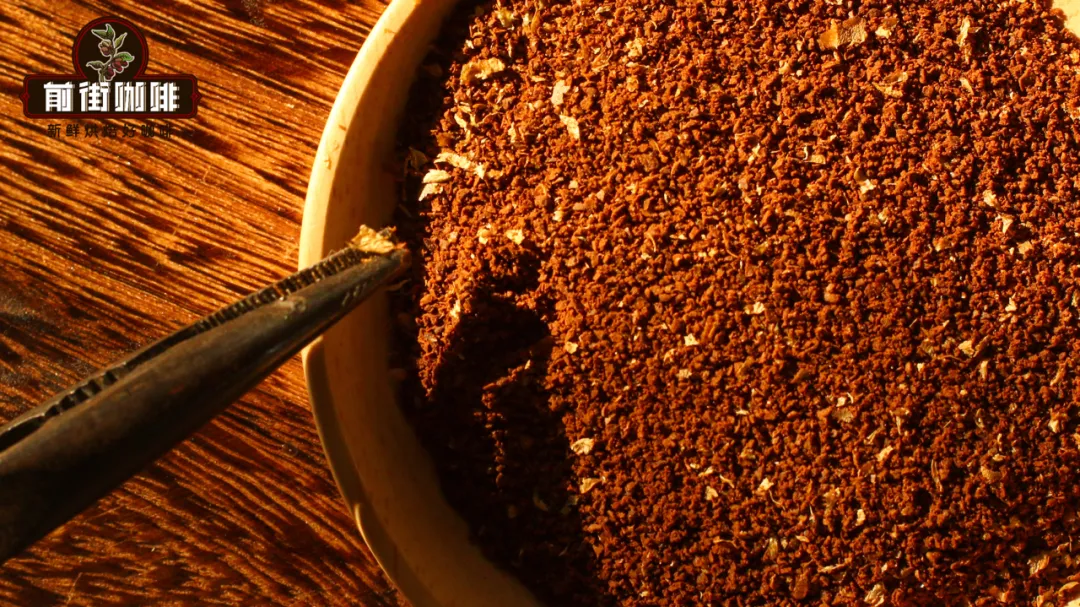
Have you ever had this experience: when grinding coffee beans, you always find some tiny white fragments mixed in with the coffee grounds? These seemingly insignificant things often make people wonder if they need to be picked out, and what exactly they are? In fact, these white fluffs are the “silver skin” from the coffee beans, a thin film that may still adhere to the surface of the bean after processing.
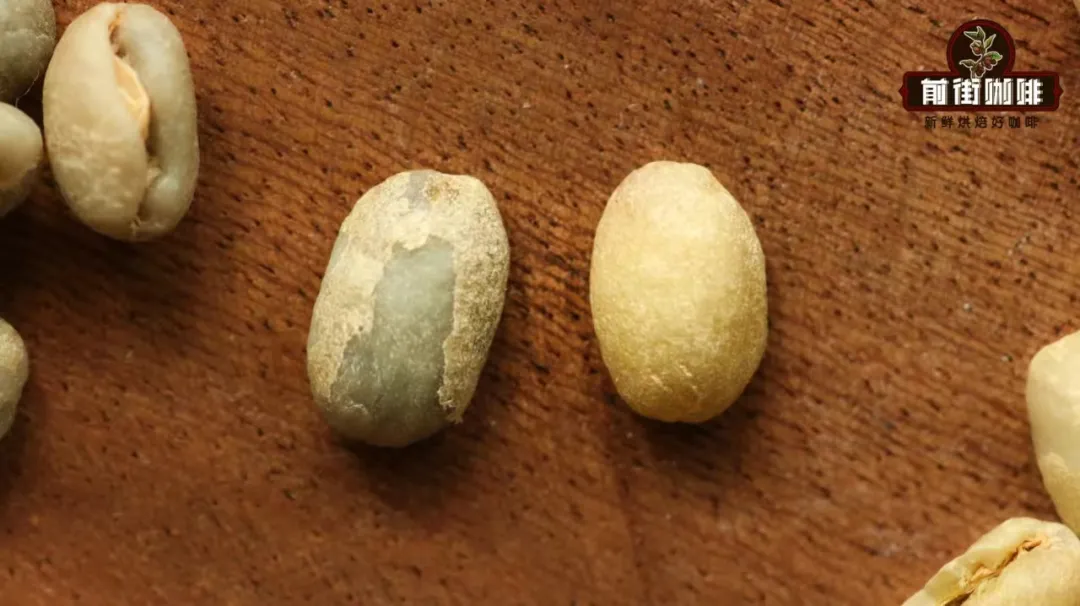
Silver skin (also known as silverskin or chaff) is a small part of the outermost layer of green coffee beans, a thin film located inside the pulp layer. It usually falls off after roasting. However, during the grinding process, if it doesn’t fully detach, it can easily mix into the coffee grounds, forming the white fragments we see. This is not just an aesthetic issue but may also affect extraction and flavor.
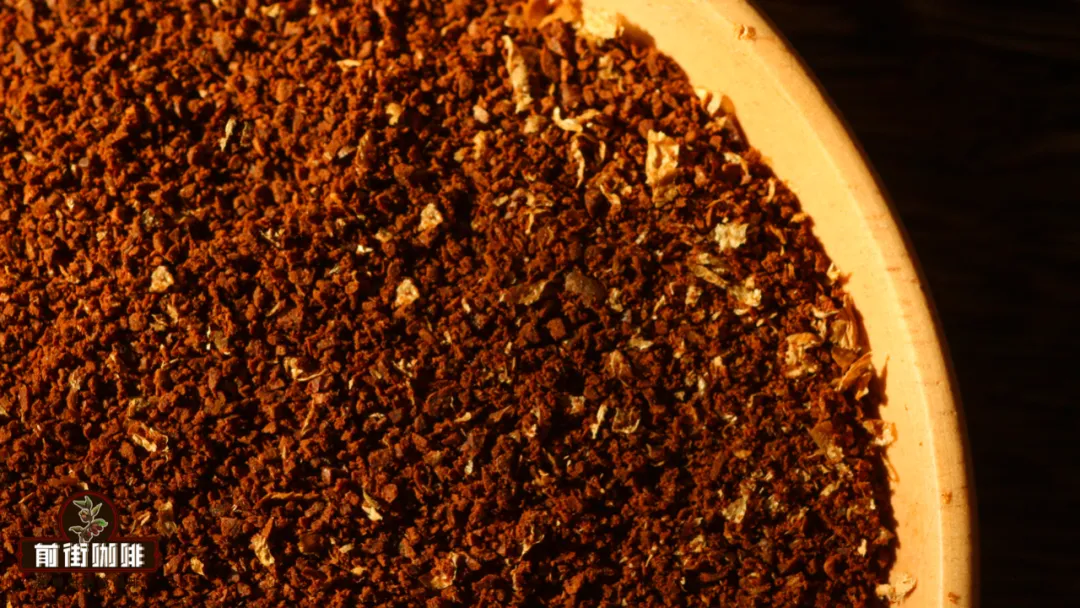
Among the many questions asked, “Why is there something white in my coffee grounds?” is one of the most common. These fragments are mainly related to the coffee’s processing method, especially the two mainstream methods—washed and natural—which show significant differences in silver skin residue and handling.
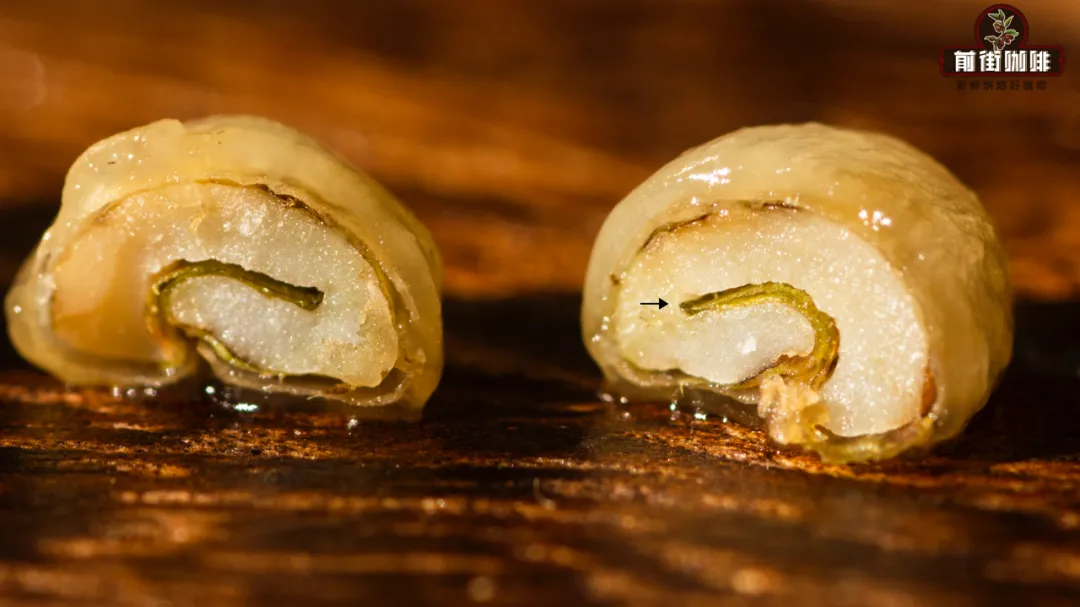
Let’s start with silver skin itself. Silver skin is a thin, dry film that remains tightly attached to the surface of the bean after the husk is removed. It doesn’t have much flavor on its own, but it can become fragile during roasting and fall off during grinding. If a large amount remains, it may not only affect the purity of the coffee but could also clog filters, impacting the flow rate and evenness of extraction.
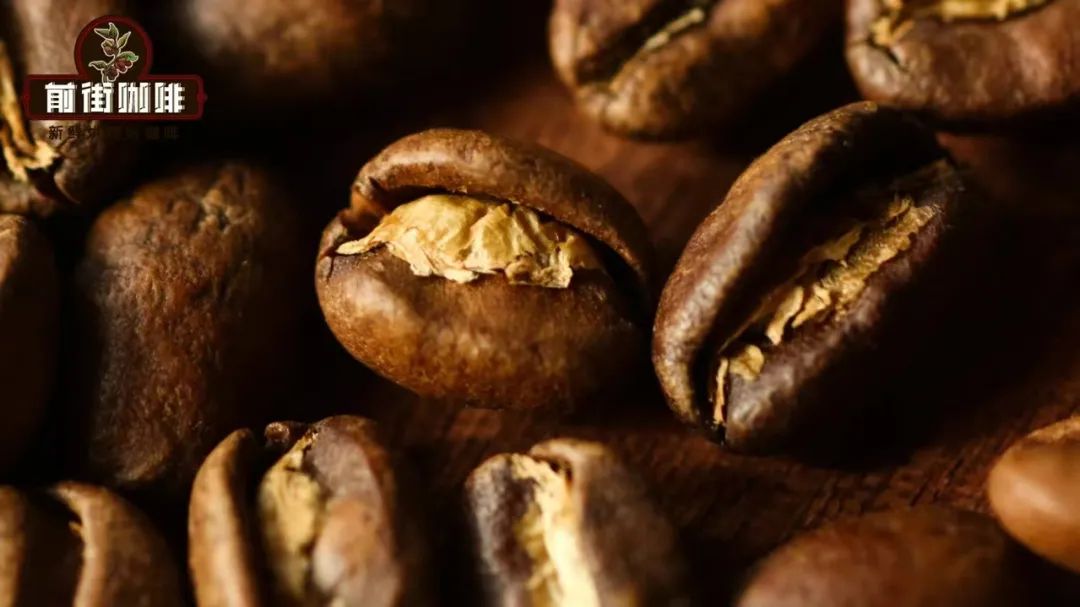
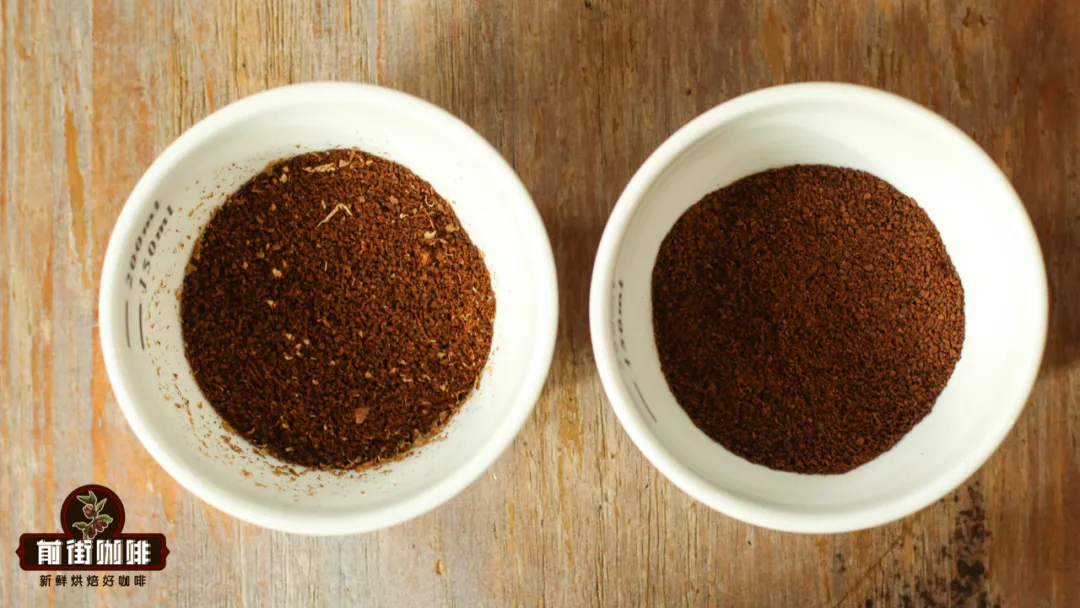
In the [washed processing method], coffee beans go through rigorous steps such as pulp removal, fermentation, washing, and drying. During this process, the silver skin mostly falls off during the washing stage, so washed beans usually have less silver skin residue. This is why many washed coffees produce noticeably fewer white fluffs after grinding compared to natural beans.
In contrast, the [natural processing method] retains the coffee fruit for a longer time, including parts of the pulp layer and the silver skin. While this method gives the coffee a richer fruity tone and sweetness, it also makes the silver skin more likely to stick tightly to the beans, and even harder to completely remove after drying. Therefore, when you grind natural beans, you’re more likely to see more white fragments.
But this doesn’t mean natural beans are of lower quality—it’s just a difference in processing characteristics. In fact, many specialty coffee enthusiasts prefer the rich flavor layers of natural beans, and even if there’s slightly more silver skin, it doesn’t affect the overall experience. The key is understanding the source of these white fluffs and handling them appropriately.
So, what actual impact does this silver skin have on extraction and flavor? Generally, a small amount of silver skin won’t significantly interfere with extraction, but if there’s too much, it might affect the speed of water flow, especially when using fine grinds or pour over methods. Additionally, some users might feel that silver skin affects the purity of the coffee, especially when they see unidentified fragments in the coffee bed, which can cause psychological concerns.
Here are a few practical suggestions for dealing with these white fragments. First, before grinding, you can gently shake the coffee bean bag to let some loose silver skin naturally fall off. Second, choosing the right grinder is also important—some grinders, due to their design, are more likely to grind silver skin into finer particles. It’s recommended to choose models with stable burrs and even distribution.
During brewing, if you notice a lot of silver skin residue, it’s advisable to use paper filters, which can effectively catch most of the silver skin fragments. If you’re using a French press, you can let the coffee sit for a moment before pouring, allowing the heavier silver skin to settle at the bottom, then carefully pour out the clear coffee liquid from the top.
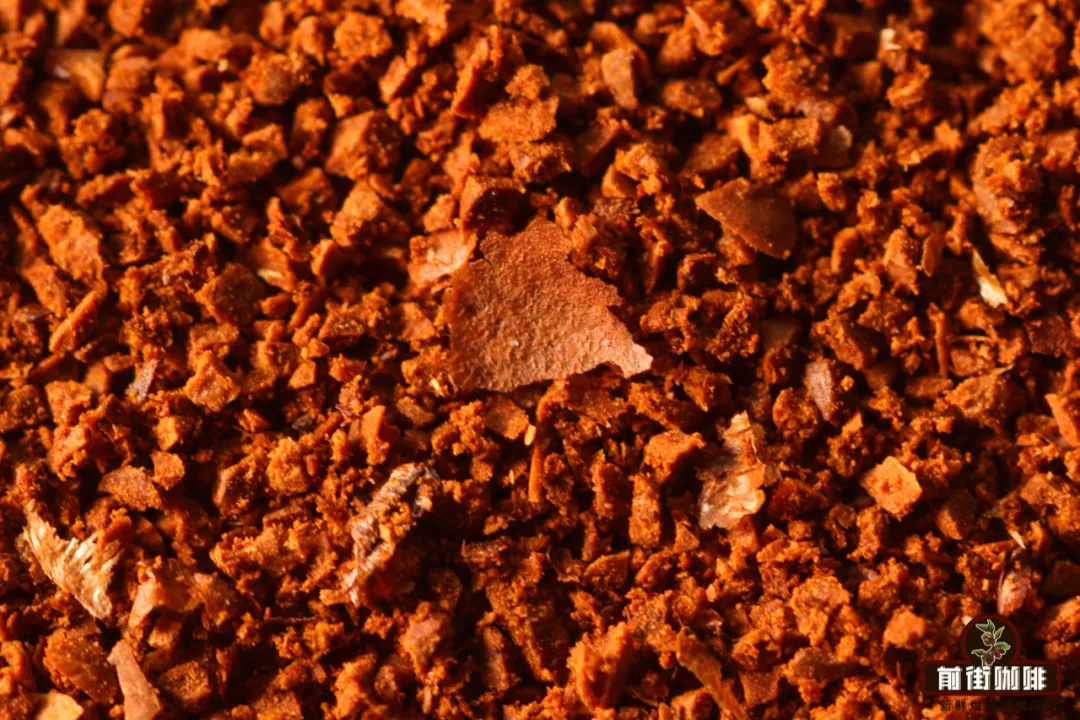
Additionally, some coffee enthusiasts choose to perform a “silver skin removal” process themselves after roasting, especially in home roasting scenarios. This can be done by gently shaking the roasted coffee beans to let the silver skin naturally fall off, then using a sieve to filter and collect it. But this step isn’t necessary, and care should be taken not to shake too vigorously, which could damage the beans.

In summary, the white fluffs in coffee grounds mainly come from residual silver skin, and their amount is closely related to the processing method. Washed beans are usually cleaner with less silver skin, while natural beans may retain more due to their processing characteristics. Understanding these differences can help you make more appropriate decisions when selecting beans, grinding, and brewing, and allow you to enjoy each cup of coffee with greater peace of mind.
Whether you’re a beginner just starting with pour over or an experienced coffee enthusiast, mastering this basic knowledge will help you better understand the processing and presentation logic behind the beans as you taste your coffee, further enhancing your overall coffee experience.

The above content is compiled by CoffeeHunters, a coffee news website.


