







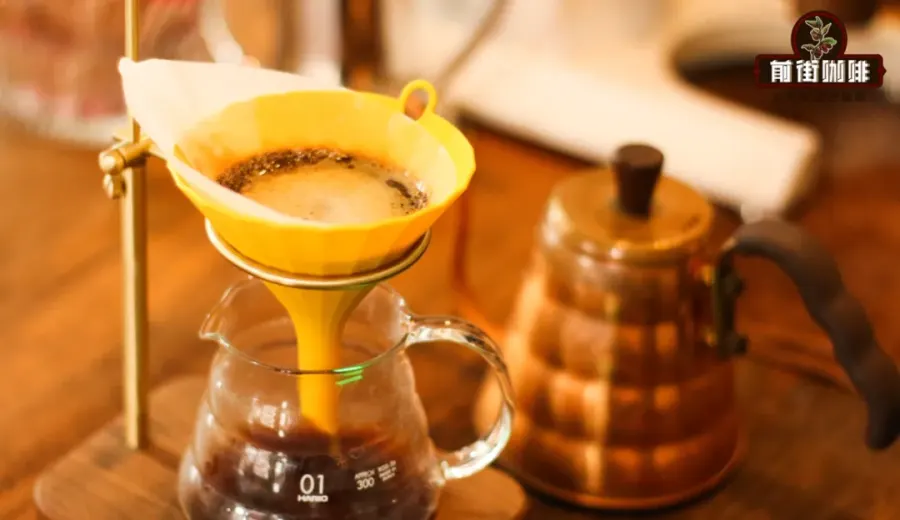
Introduction:A standard IKEA funnel priced at just 3.99 RMB went viral after a coffee competition contestant used it to make it to the finals, earning it the nickname "competition-grade filter." Many coffee enthusiasts rushed to buy one, only to encounter issues such as slow flow rate and over-extraction. This article takes an in-depth look at the material properties of this affordable tool, common usage misconceptions, and the correct choice of filter paper, helping you understand the brewing principles behind its popularity—and offering practical tips so you too can brew great coffee using the right method.
This IKEA funnel, which stirred up conversation in the coffee community, was originally just an ordinary kitchen item. However, it gained fame when a contestant used it as a filter during a competition, advancing all the way to the finals and securing sixth place. While the final result was also closely tied to the quality of the coffee beans, the affordable funnel used by the contestant undoubtedly became the center of attention.
After the episode aired, this IKEA funnel, originally priced at just 3.99 RMB, quickly sparked a buying frenzy within the coffee community. Many wanted to personally experience whether this so-called "competition-grade filter" was truly as magical as people said. Even though it looks no different from a regular kitchen funnel, its low price and usability made it a new favorite among many pour-over beginners.

However, as more users tested it in practice, negative reviews began to emerge—especially regarding unusually slow flow rates and a tendency to cause over-extraction, which negatively affected the final flavor of the coffee. Some users who tried it themselves noticed similar issues, and further investigation revealed that the problem lay in how well the filter paper adhered to the funnel.
After multiple attempts and adjustments, we found that most users directly use commercially available standard-sized filter papers. However, these filter papers fit too tightly against the inner rim of the IKEA funnel, leaving almost no gap for the brewed coffee to flow through. This leads to reduced flow rate, longer extraction time, and ultimately over-extraction.

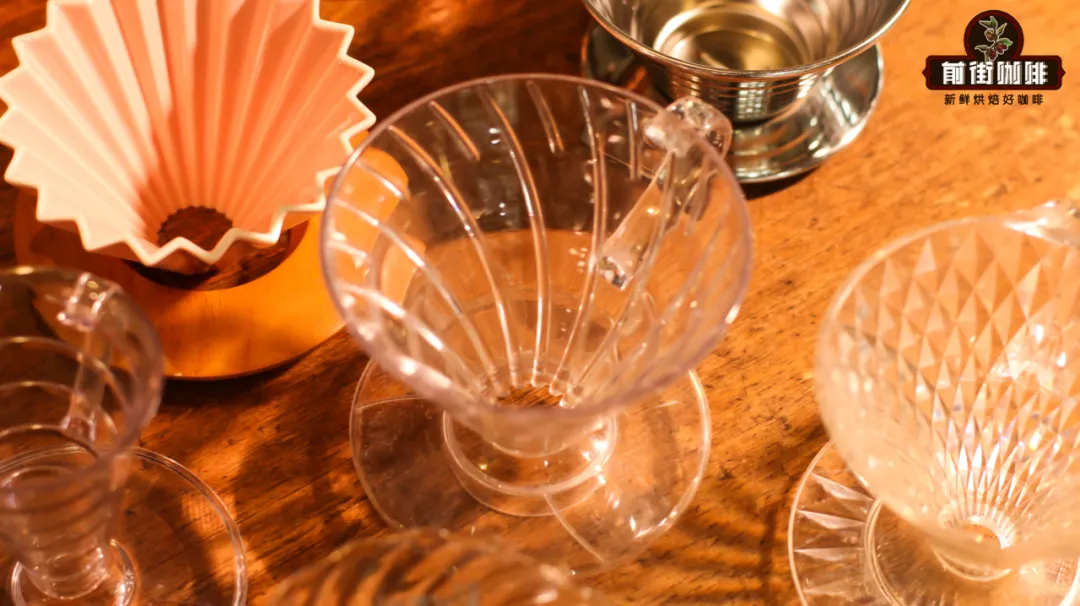
In fact, the design principle of a filter cone includes ridges or grooves specifically meant to create a gap between the filter paper and the cone itself—this allows the filtered coffee to have a smooth path downward. Insufficient gaps not only slow down the flow but also lead to uneven extraction, affecting the overall taste.
So, what kind of filter paper is best suited for the IKEA funnel? Based on testing, it’s recommended to choose thinner and more flexible filter papers, while avoiding standard sizes that completely seal against the inner edge of the funnel. You can opt for slightly smaller sizes or specially cut filter papers designed to fit the round shape of the funnel—ensuring there’s a gap between the filter paper and the metal walls. This will effectively improve flow performance.
Additionally, you can try slightly folding or adjusting the filter paper so it doesn’t sit completely flush against the funnel wall, leaving an appropriate channel for the brewed liquid. This helps enhance overall brewing efficiency and prevents coffee grounds from releasing too many impurities due to prolonged soaking.
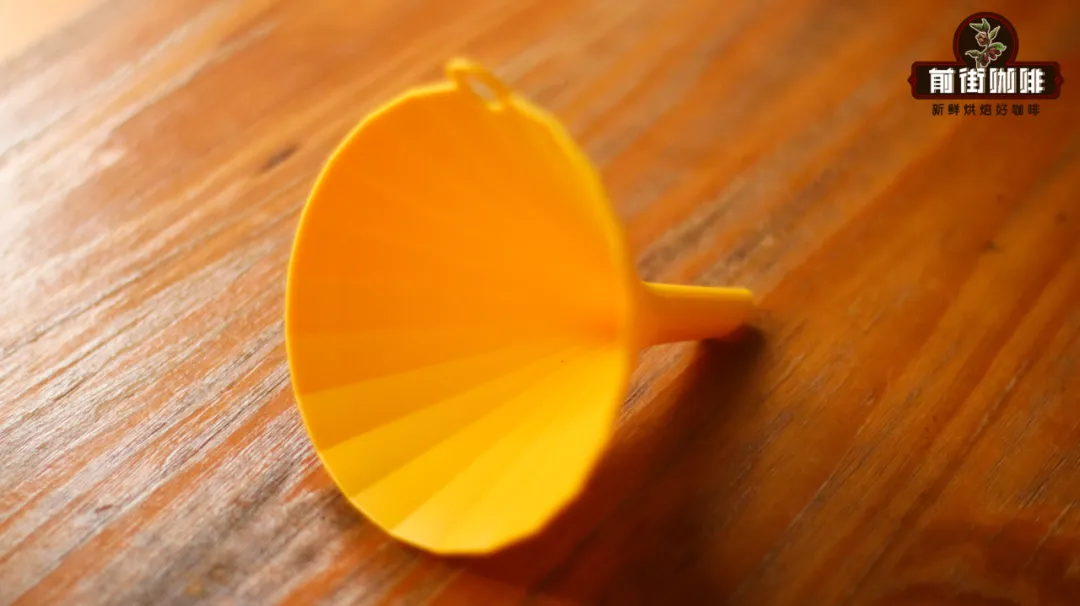
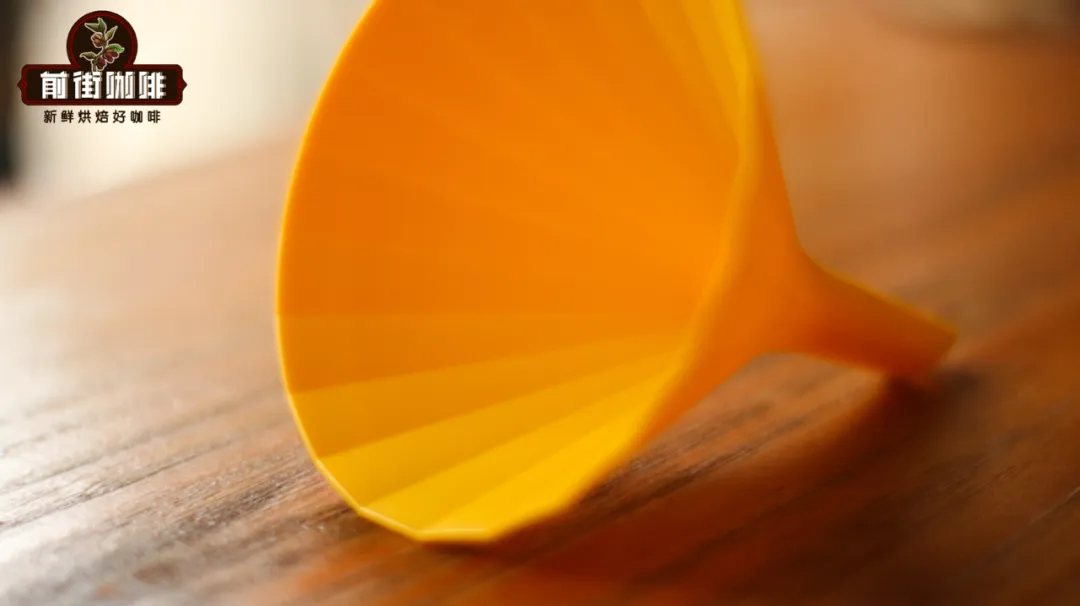
According to official IKEA information, this funnel is made from food-grade PP (polypropylene), with a heat resistance of up to 100°C—making it entirely safe for brewing coffee with hot water. However, since it wasn’t originally designed to be a coffee filter, a bit more effort in adjustment is needed during actual use to unlock its full potential.
From this incident, we can also reflect on the fact that pour-over coffee performance doesn’t solely depend on high-end equipment. More importantly, it’s about understanding the design logic and usage techniques behind each tool. The reason this contestant stood out in the competition was not just luck—it was largely because he refocused everyone on the fundamental principles of coffee brewing, rather than blindly chasing expensive gear.
In summary, this 3.99 RMB IKEA funnel can indeed serve as a temporary substitute for a coffee filter, but if you want stable and satisfactory brewing results, choosing the right filter paper and adjusting the fit are crucial. For budget-conscious beginners wanting to try pour-over, it’s definitely a tool worth experimenting with—but remember to test and find the most suitable filter paper and brewing method to truly enjoy the pleasure of hand-brewed coffee.
The above content is compiled by CoffeeHunters, a coffee news website.


