







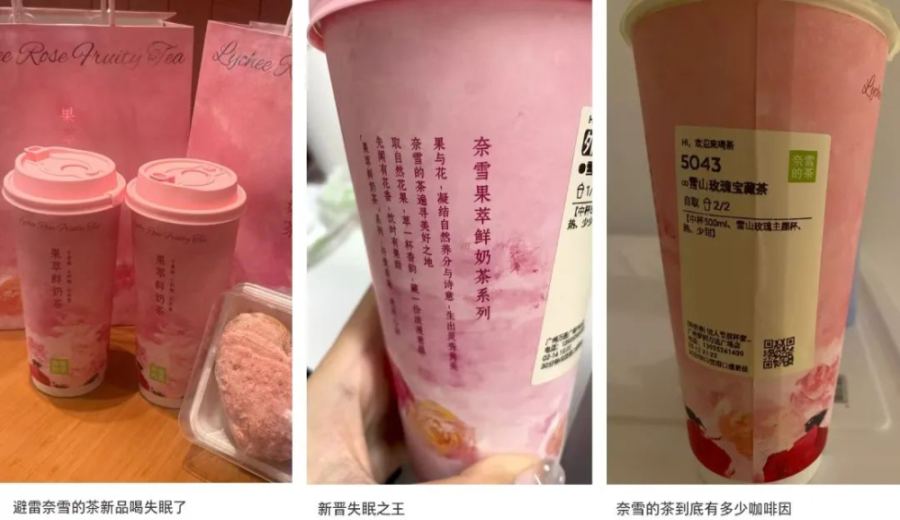
Introduction:This Valentine’s Day, Nayuki launched a rose-inspired limited-edition drink, but it received a wave of negative reviews due to its unusual taste and suspected caffeine overdose. Many consumers complained of heart palpitations and insomnia after drinking it, even jokingly calling it the “new king of sleeplessness.” This article delves into the formulation of this rose milk tea, analyzes actual consumer feedback, and explores the potential impact of caffeine in tea drinks on sleep, helping readers avoid common pitfalls in beverage choices.
As a key marketing occasion for both tea and coffee brands, Valentine’s Day attracts numerous companies to launch limited-time offerings each year. Nayuki was no exception this year, centering its campaign around roses by creating the Mountain Treasure Tea series along with themed merchandise, aiming to attract romantic couples with a dreamy ambiance. However, the new release sparked widespread discussion, with many customers reporting strange flavors and even physical discomforts such as heart palpitations and insomnia.
Nayuki’s Valentine’s limited-edition products this time featured a romantic pink color scheme, focusing on the Mountain Treasure Tea series, which included two drinks: “Snow Mountain Rose Treasure Tea” and “Snow Mountain Rose Amber Treasure Tea,” along with two plush toys—a rose planter and a hugging rose—as purchase incentives. According to official information, the “Snow Mountain Rose Treasure Tea” combines double-petal rose hydrosol, lychee, Dian Hong black tea, and milk; the amber version additionally includes peach gum for extra texture.
On the surface, these ingredient combinations may seem harmonious, but they actually triggered strong backlash from many consumers. Numerous netizens on social platforms expressed disappointment with the taste of the rose milk tea, with comments such as “takes scraping your tongue to get the taste out,” “like scooping out the filling of a flower cake and mixing it with milk,” and “I’d rather lose my sense of taste,” indicating that the flavor fell far short of expectations. Moreover, some consumers even mocked it as “the worst-tasting drink ever,” showing its poor market acceptance.
An even more serious issue lies in the post-drinking reactions.Many customers reported experiencing heart palpitations, increased heartbeat, and even being unable to sleep all night after drinking the rose milk tea in the afternoon.Since the brand did not publicly disclose the caffeine content of the drink, many unknowingly consumed it during the day only to suffer from insomnia at night. Based on real experiences shared by multiple “insomnia victims,” they remained in an excited state well into the night after having the drink in the afternoon, unable to fall asleep. Some described the sensation as similar to the reaction after consuming other high-caffeine brands (such as Pocari Tea), which was hard to bear.
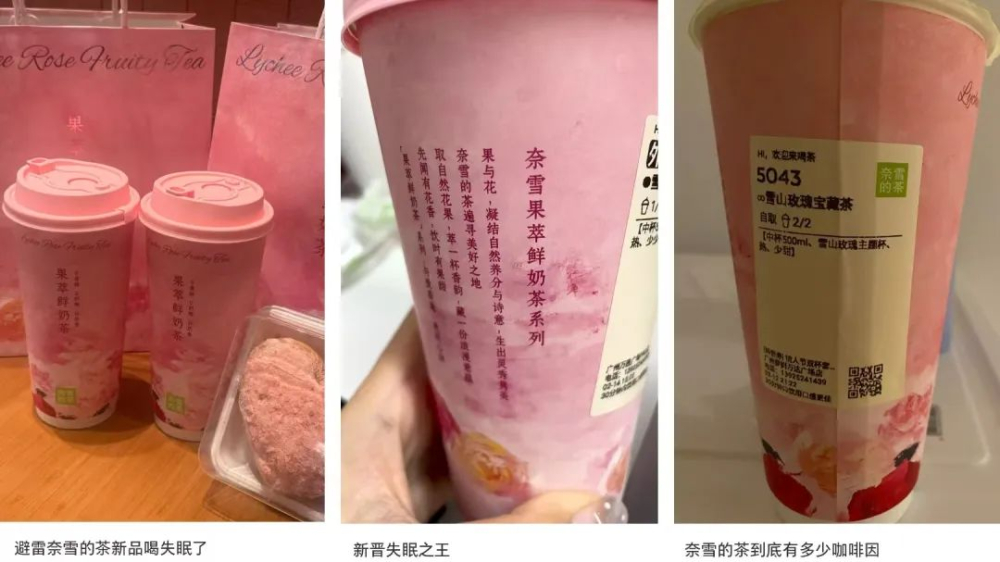
Experts point out,that generally, commercial milk teas using a high proportion of black tea base can contain 30 to 50 milligrams of caffeine per cup. If additional tea extract components (such as plant-based stimulants in rose hydrosol) are added, the effect on sensitive individuals may be even stronger.Especially for those with slower caffeine metabolism or heightened sensitivity to tea stimulants, drinking in the afternoon could still lead to difficulties falling asleep or light sleep issues at night.
This incident has also sparked discussions about whether tea drink brands overly focus on appearance and packaging during holiday marketing while neglecting the essential flavor of their products. Although many consumers mentioned that their main motivation for purchasing was the cute limited-edition plush toys, reviews like “great merchandise, but the drink is terrible” were common, showing there’s still room for adjustment in product development and market positioning.
Overall, although Nayuki’s Valentine’s rose-themed drink caught attention visually and through marketing, its poorly balanced flavor and potential caffeine risks led to a reputation downfall. For consumers, when selecting holiday-limited tea beverages, it is advised to pay attention to the ingredient labels, especially the sources and amounts of caffeine, to avoid affecting nighttime sleep quality. At the same time, brands are reminded that beyond innovation, they should place greater emphasis on consumers’ actual drinking experience and health safety.
The above content is compiled by CoffeeHunters, a coffee news website.


