







Introduction:Stepping into a coffee roasting facility, it’s common to see stacks of jute sacks filled with green coffee beans, each printed with information about their origin. What’s the story behind this packaging method? Why do most coffee-growing regions around the world choose sacks for shipping? How much does a sack of green beans weigh? This article delves into the historical evolution of green coffee bean packaging, the unique advantages of jute material, and analyzes sack weight specifications—giving you insight into this longstanding packaging tradition and the practical reasons behind it.
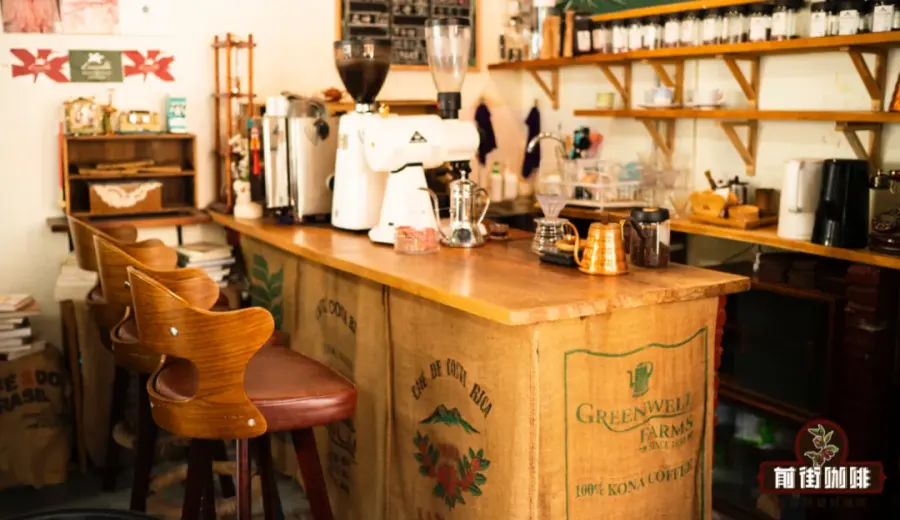
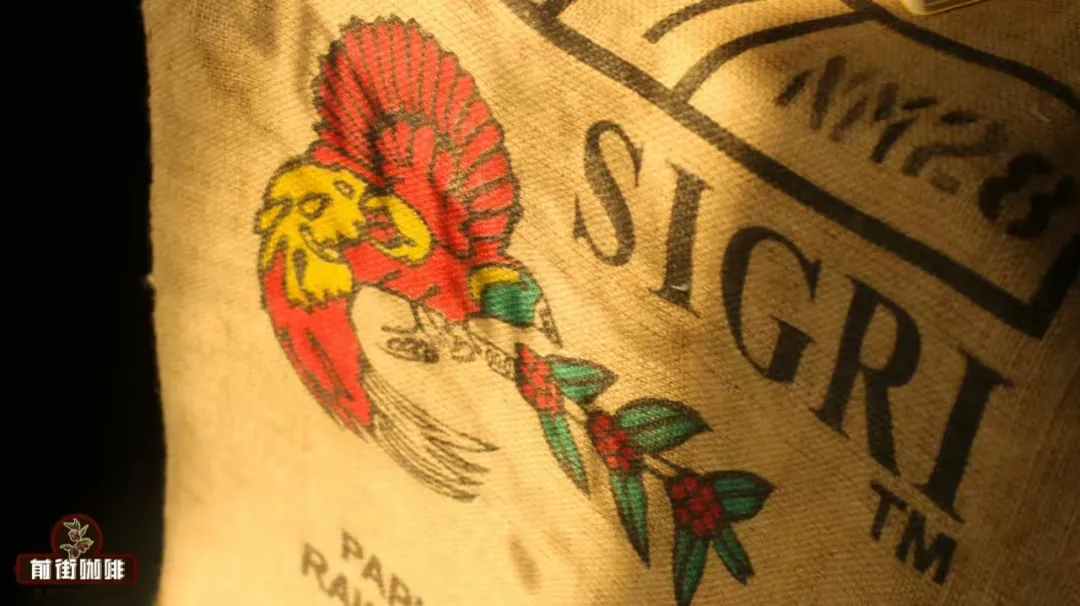
Walk into any professional coffee roasting studio, and you’ll easily spot a few rugged burlap sacks in the corner, clearly stamped with the name of the producing region and the estate’s insignia. This scene is almost ubiquitous throughout the global coffee supply chain. From the highlands of Ethiopia to the mountain farms of Colombia, the vast majority of green coffee beans wear their first “outfit”—a sack—before making their long journey across the seas.
But have you ever wondered why coffee-growing regions around the world universally favor sacks? What makes them stand out among numerous modern packaging materials and become the mainstay for transporting green coffee beans? And how many beans does each sack actually hold? Below, we’ll take an in-depth look at the historical background of green coffee bean packaging, the practical characteristics of jute sacks, and the current diverse trends in packaging choices.
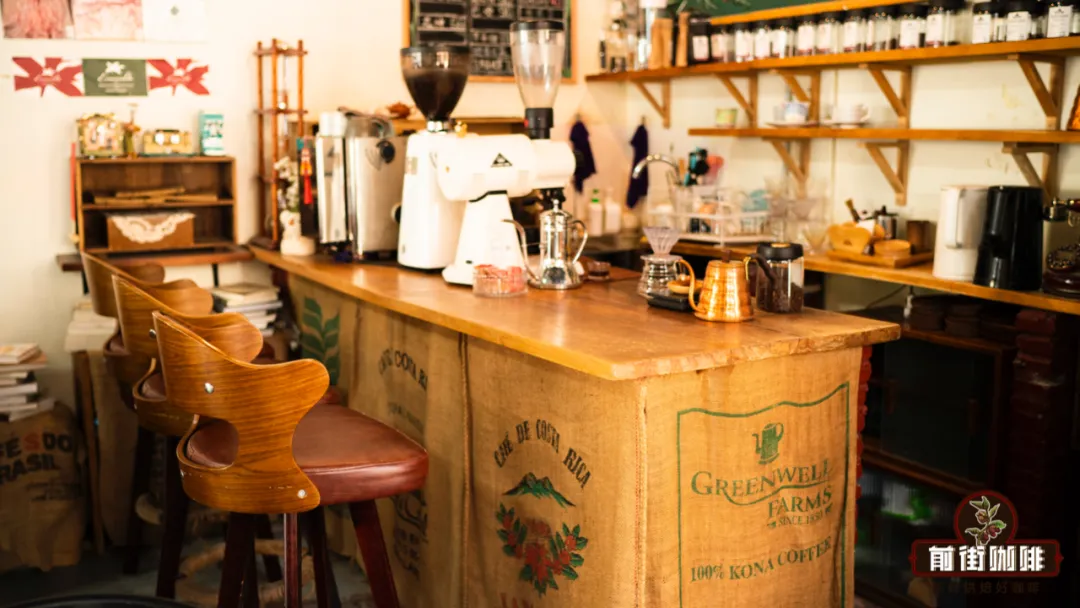
Currently, sacks are undoubtedly the most mainstream form of packaging for green coffee beans. Whether they come from Central and South America, Africa, or Asia, sacks are almost always used as the primary storage and transport containers when exporting green beans. When roasters purchase large quantities from green bean suppliers, these beans are usually kept as-is and shipped directly in sacks—unless purchased in smaller amounts, in which case alternative repackaging methods might be used.
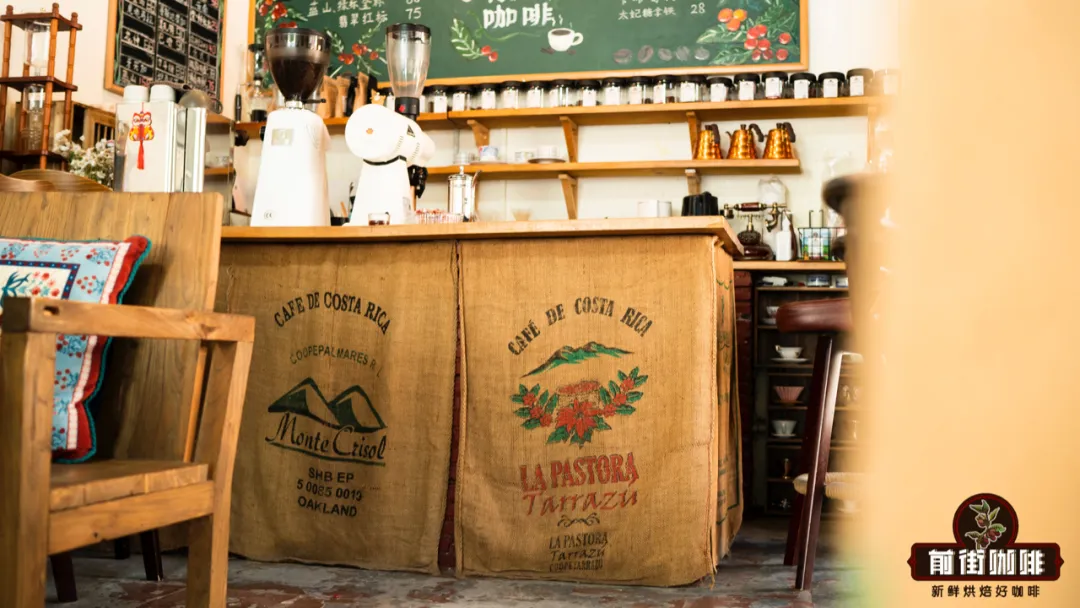
Interestingly, once these sacks have fulfilled their transport role, their sturdy material and distinctive patterns often lead roasters to repurpose them—as part of storefront décor or even transformed into merchandise. For instance, the counter and walls of some coffee shops feature various sacks from different origins, sparking curiosity among customers: “Why are green coffee beans from so many regions around the world packed in sacks?”
The answer isn’t solely about cost—though sacks are indeed economical—but more importantly, green coffee beans are a key commodity in international agricultural trade. Their quality control depends not only on growing conditions and post-harvest processing, but also critically on preservation during transit. Therefore, selecting the right packaging material directly impacts the condition and flavor potential of the beans when they reach the roaster.
The sacks used today for storing green coffee beans are primarily made from jute, a natural plant fiber originating from South Asia. In the region, especially India, jute is hailed as “golden fiber,” not only because of its high economic value, but also due to its low production costs and ease of cultivation—making jute sacks highly cost-effective and well-suited for the demands of bulk agricultural transportation.
Moreover, jute fibers are characterized by their long strands and high tensile strength, resulting in sacks with excellent load-bearing capacity. Green coffee beans are typically packed in standard weights of either 60 kilograms or 70 kilograms per sack. Jute sacks can securely hold this weight and are unlikely to break during stacking and transport—a crucial factor in the logistics of bulk commodities.

Even more critical is that jute sacks offer good breathability and moderate moisture absorption. During long sea or land voyages, the biggest concern for green coffee beans is moisture and mold. The woven mesh structure of jute fibers allows for appropriate air circulation, effectively reducing the risk of trapped moisture inside the sack and helping maintain the beans’ dry state—thereby minimizing the chances of mold and quality deterioration.
Additionally, sacks provide effective cushioning. During transport, cargo often undergoes frequent shaking and impact, and the soft texture of sacks offers shock-absorbing properties, reducing the likelihood of coffee beans breaking due to external forces. This makes the overall transport process safer and facilitates subsequent manual handling and warehouse management.
Of course, not all green coffee beans are packaged in sacks. With the rise of the specialty coffee market, an increasing number of high-end or unique coffee varieties are adopting different packaging strategies. For example, certain premium Blue Mountain coffees may be stored and transported in oak barrels to preserve more of their original flavor characteristics; some rare or high-value beans may also be vacuum-sealed and shipped by air, ensuring freshness and quality are fully delivered to the roaster.
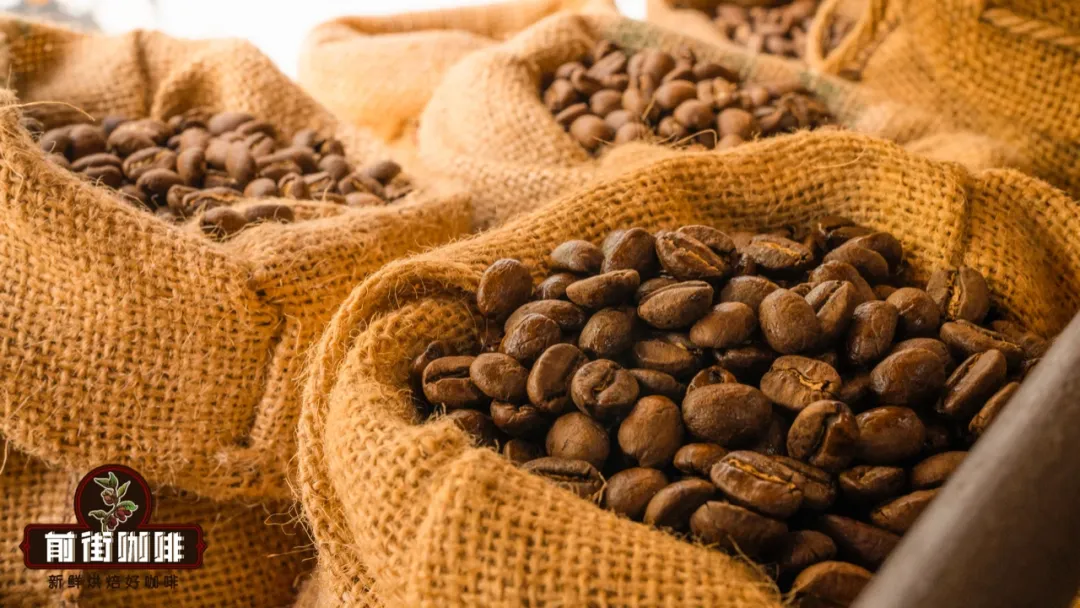
In summary, the reason sacks have become the global standard for green coffee bean packaging is not just because they are economical, but also because their material properties meet multiple needs of bulk agricultural products during transit: pressure resistance, breathability, moisture absorption, and cushioning—all of which directly affect the final quality of the beans. The common standard specifications of 60 or 70 kilograms per sack also make logistics and warehousing operations more standardized and convenient.
Next time you see a coffee sack hanging in a café or hear someone talk about the origin and transport of coffee, you’ll already understand the hidden wisdom behind this unassuming packaging.
The above content is compiled by CoffeeHunters, a coffee news website.


