







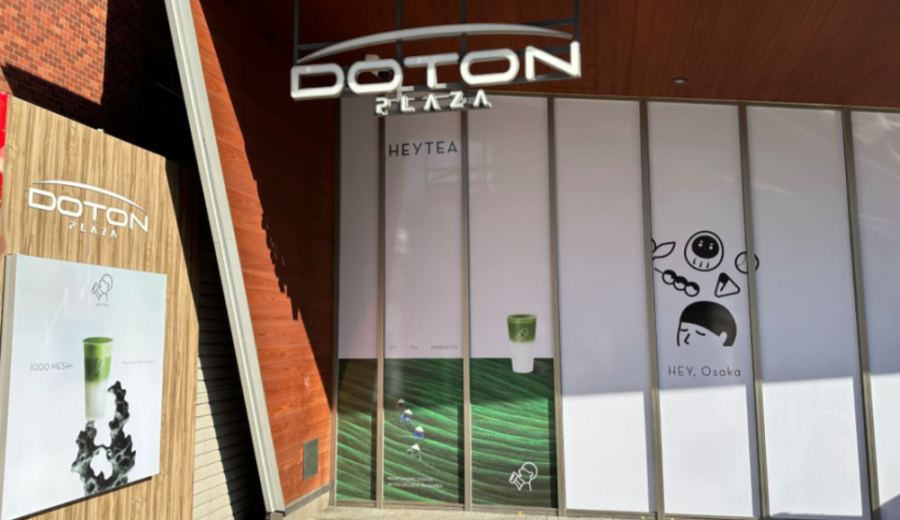
Introduction:HEYTEA’s first store in Japan’s Osaka Dotonbori officially opened on February 15, but what truly sparked discussion was the drink pricing leaked via the official mini-program — each cup is priced at around 950 to 1,250 yen, equivalent to 45 to 60 RMB, nearly double the domestic price. Many local consumers were shocked by the high cost, with some even using the analogy “you could buy five kilograms of rice for the price of four HEYTEA drinks” to describe how expensive it is. What exactly is behind such high overseas pricing? And are Japanese consumers willing to pay? This article will take an in-depth look.
As a representative of China’s new-style tea beverage brands, HEYTEA has recently officially entered the Japanese market, choosing the bustling Dotonbori area of Osaka for its first store, which officially opened on February 15. However, compared to the store’s opening, what really sent online discussions soaring was the pricing list prematurely revealed on the official mini-program — most drinks were priced between 950 and 1,250 yen, converting to roughly 45 to 60 RMB, nearly more than double the price of the same drinks in China.
Once the news broke, many Japanese netizens expressed shock, with some even comparing the prices to local goods. One noted that the cost of four HEYTEA drinks could buy about five kilograms of rice, sparking heated discussion. Many wondered whether such pricing is reasonable in Japan, where both the cost of living and rent are high, and whether local consumers would actually be willing to pay these prices.
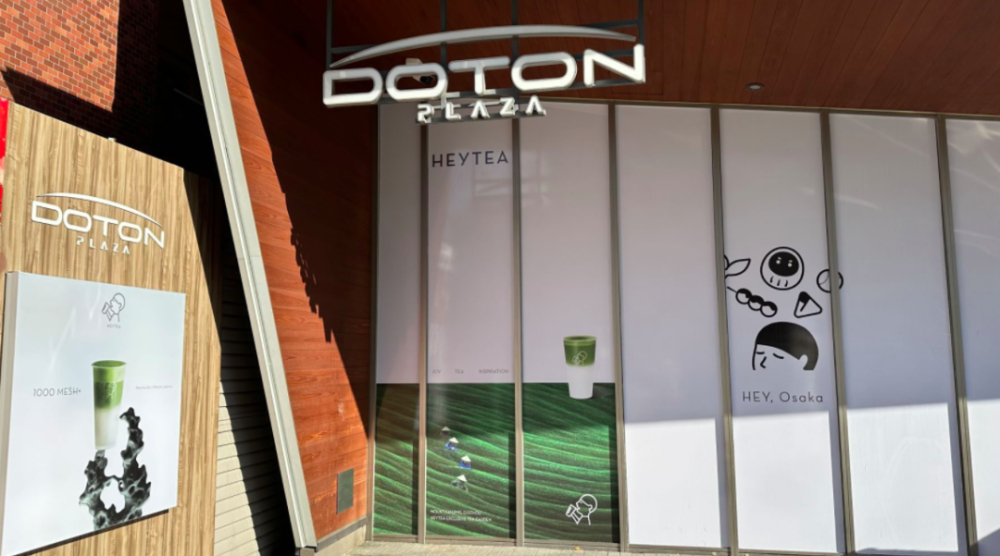
In fact, signs of HEYTEA’s impending entry into Japan had already emerged by the end of last year. At that time, some Japanese netizens spotted a store near Osaka Dotonbori bearing the HEYTEA brand logo, and subsequent recruitment information led many fans to speculate that this might be HEYTEA’s first Japanese store.
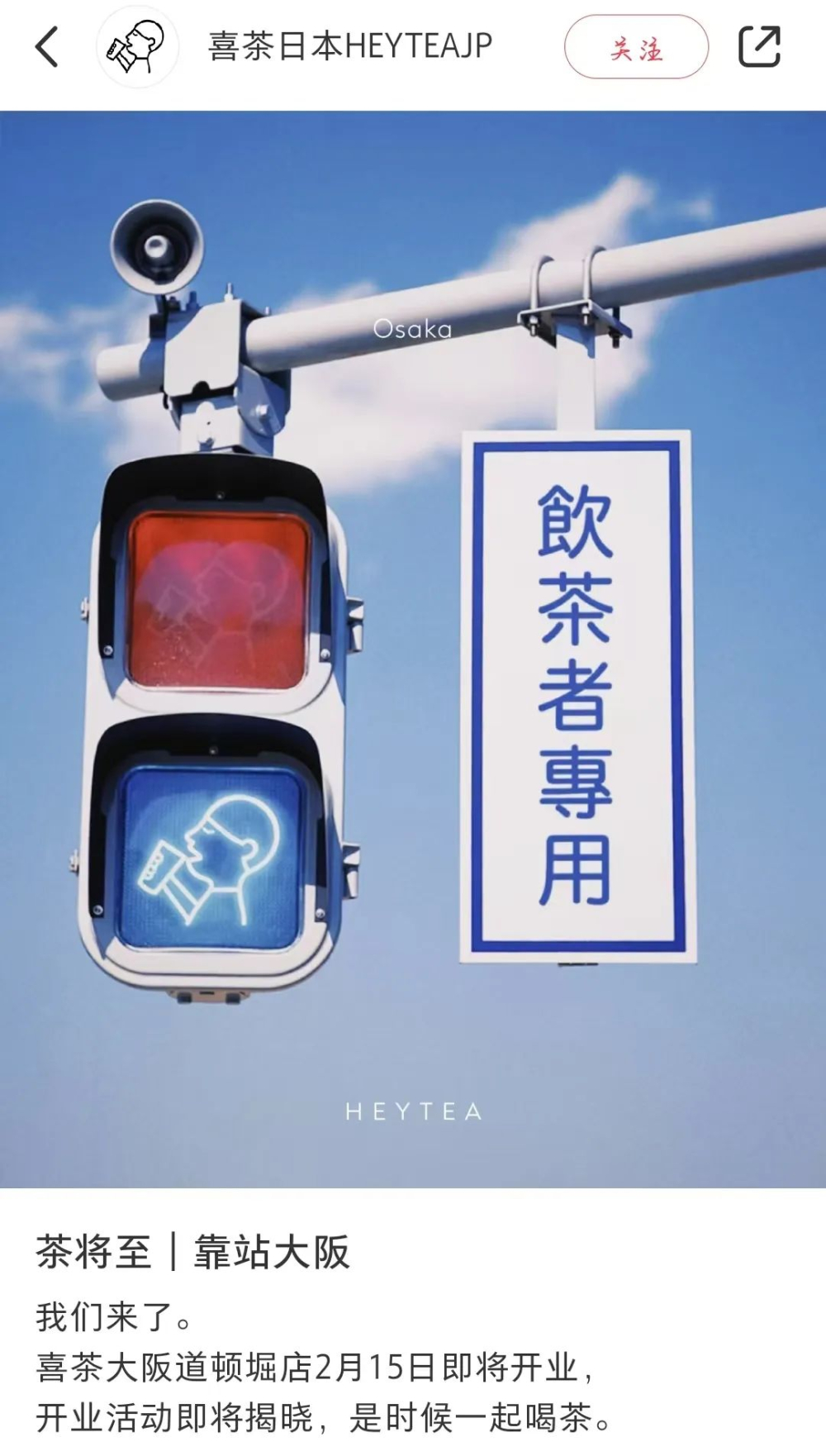
Soon after, HEYTEA officially confirmed the news, announcing that the Osaka flagship store would open on February 15 and welcoming everyone to come and experience it. Subsequently, details about the new store — including drink options, store design, and merchandise — began leaking on social platforms, further piquing public curiosity.
However, when consumers actually saw the pricing list on the mini-program, most were surprised. The range of drinks currently offered at the Osaka store is not as comprehensive as in China, and is mainly divided into four categories: Matcha series, fruit teas, milk teas, and original liquid teas, with the selection noticeably more limited.
The pricing of these drinks mostly falls within the 950 to 1,250 yen range, converting to approximately 45 to 60 RMB. The cheapest option is the plain Lü Yàn tea, priced at 550 yen (about 26 RMB). In comparison, a regular HEYTEA drink in China typically costs between 8 and 28 RMB, and even in remote areas with high logistics costs, rarely exceeds 30 RMB. The Japanese pricing is significantly higher, leaving many netizens saying it’s hard to accept.
Industry insiders analyze that overseas stores often face additional costs such as importing raw materials, transportation, staffing, and high rents, and thus need to raise prices to maintain operational profits. However, this reasoning has not fully convinced local consumers.
For example, HEYTEA’s popular drink “Qianmu Nongmocha Latte” varies in price globally due to exchange rates and market strategies, generally ranging from 34 to 58 RMB. Among them, the U.S. stores have the highest prices, at about 7.99 USD (around 58 RMB), while the Osaka store in Japan is priced at 1,150 yen (about 54 RMB), also on the higher end among overseas markets.
If compared with Japan’s domestic beverage brands, HEYTEA’s price advantage becomes even less obvious. Some netizens posted comparisons of the pricing lists of Mixue Ice Cream & Tea and COCO in Japan, finding that HEYTEA’s prices are almost nearly double, prompting comments like “twice as expensive as a regular bubble tea shop” and “a Starbucks drink is only about 500 yen.”
Some Japanese netizens even used everyday examples to illustrate: “The money for four HEYTEA drinks can buy you five kilograms of rice,” helping many locals gain a more tangible sense of just how high the prices are, and causing some consumers who were initially looking forward to HEYTEA’s arrival in Japan to reconsider.
Some international students in Japan also said that although they had been excited about HEYTEA coming to Japan, upon learning the actual prices, they generally felt the cost was too high to become a regular purchase. Many bluntly stated that they’d rather spend that money on a filling and affordable bowl of Japanese ramen than shell out over a thousand yen for a single milk tea.
The above content is compiled by CoffeeHunters, a coffee news website.


