







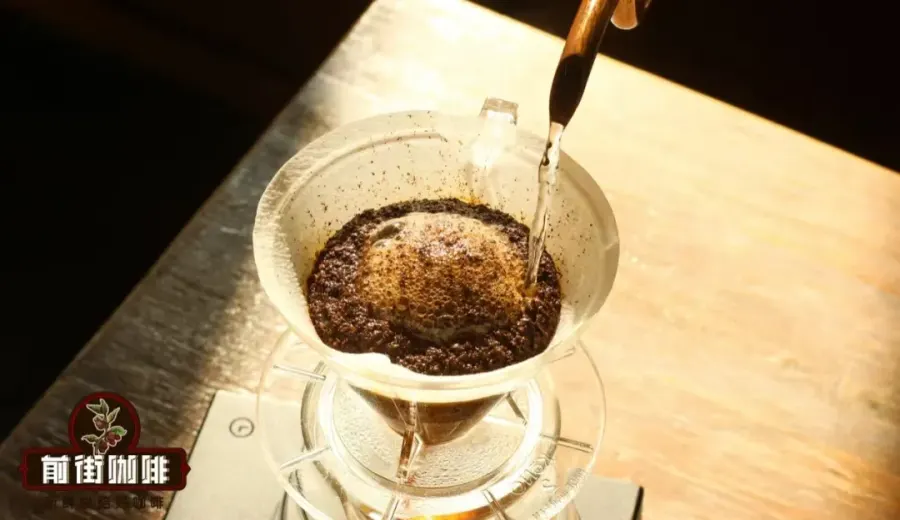
Introduction:The grind size plays a crucial role in the flavor profile of pour over coffee. Many brewers often encounter uneven extraction or imbalanced flavors due to improper grind coarseness. This article delves into how to adjust the optimal grind parameters based on bean characteristics, roast level, and processing method, and provides practical tips to help you enhance the complexity and balance of your pour over coffee through observation and adjustments.
In the world of pour over coffee, grind size is often the most overlooked yet critically important factor. Many coffee enthusiasts frequently face issues such as lackluster flavors, overly thin body, or excessive bitterness, which are often closely related to the coarseness of the coffee grounds.
A certain coffee brand has consistently emphasized that grind size is not only one of the variables affecting coffee extraction efficiency, but also a key factor in determining the final flavor presentation. The right grind coarseness allows water to fully interact with the coffee grounds, extracting the desired balance of acidity, sweetness, and bitterness. Conversely, it may lead to over-extraction or under-extraction.
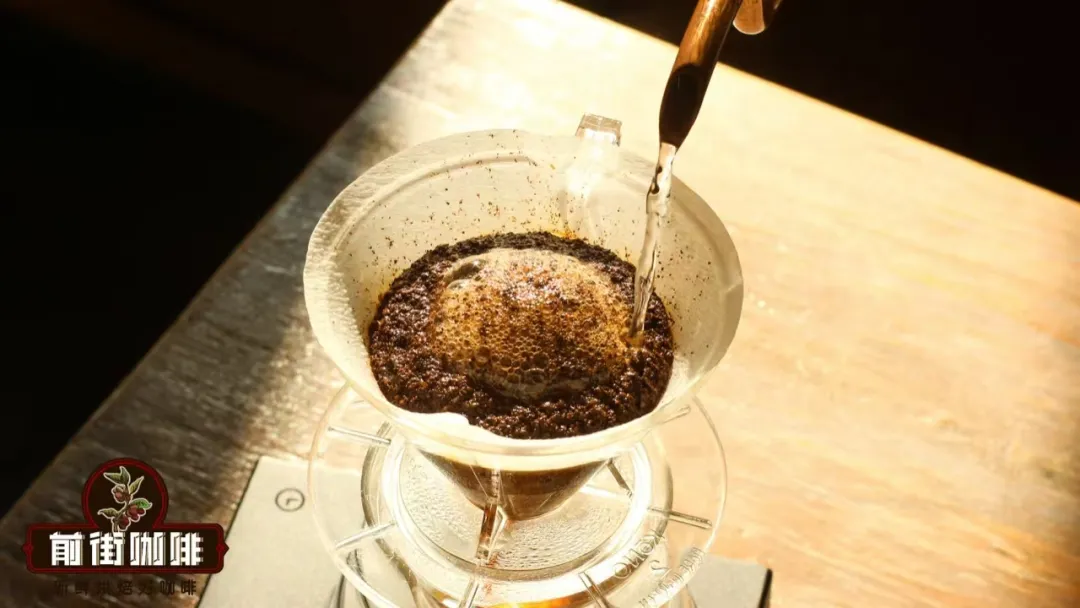
The coarseness of coffee grounds directly affects the speed of water flow and contact time. A coarser grind, similar in size to white sugar, allows for faster water flow and is suitable for light to medium-light roasted beans, helping to avoid overly sharp bitterness from over-extraction. A finer grind, akin to sea salt granules, extends the contact time between water and coffee, extracting more flavor compounds, and is suitable for medium-dark to dark roasted beans. However, care should be taken to avoid over-extraction that can result in burnt, bitter notes.
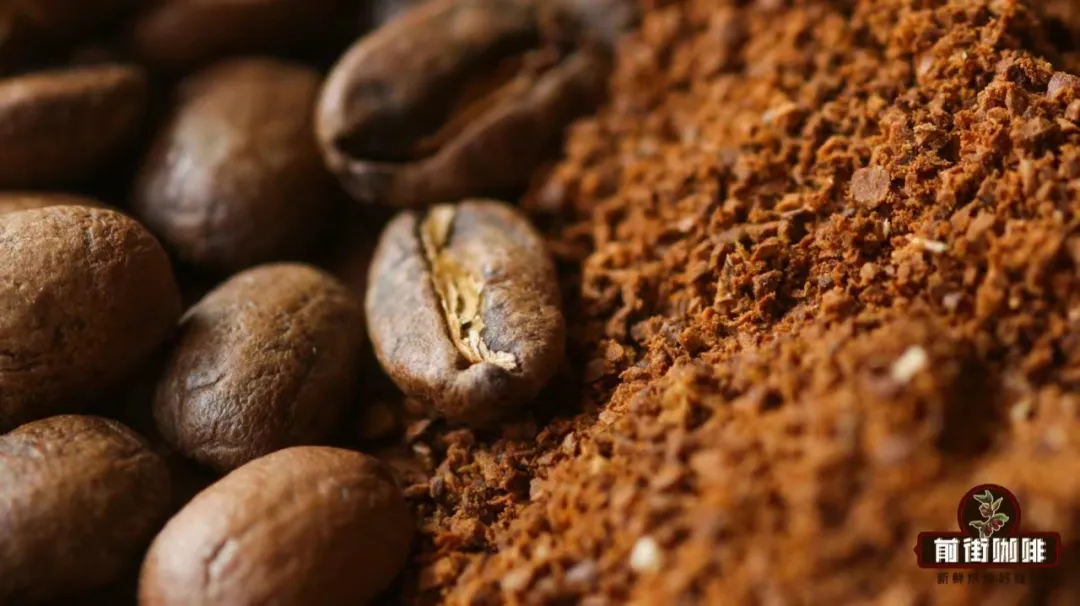
Different roast levels also have varying grind size requirements. Light roast beans usually exhibit higher acidity and complex aromas, so a slightly coarser grind is recommended to preserve their bright fruitiness and floral notes. Medium roast beans, with a more balanced acidity and bitterness, can use a medium-fine grind to bring out a richer mouthfeel. As for dark roast beans, due to more pronounced caramelization, a finer grind is advised to enhance their bold, rich body and sweetness.

Beyond roast level, the coffee bean processing method also influences grind size selection. For example, naturally processed beans, which typically have intense flavors and prominent fruitiness, suit a slightly coarser grind to maintain their freshness. Washed beans, known for their clean taste and bright acidity, can have their grind adjusted according to roast level. Honey-processed beans, with higher sugar content, should use a medium grind depending on the flavor profile you wish to emphasize.
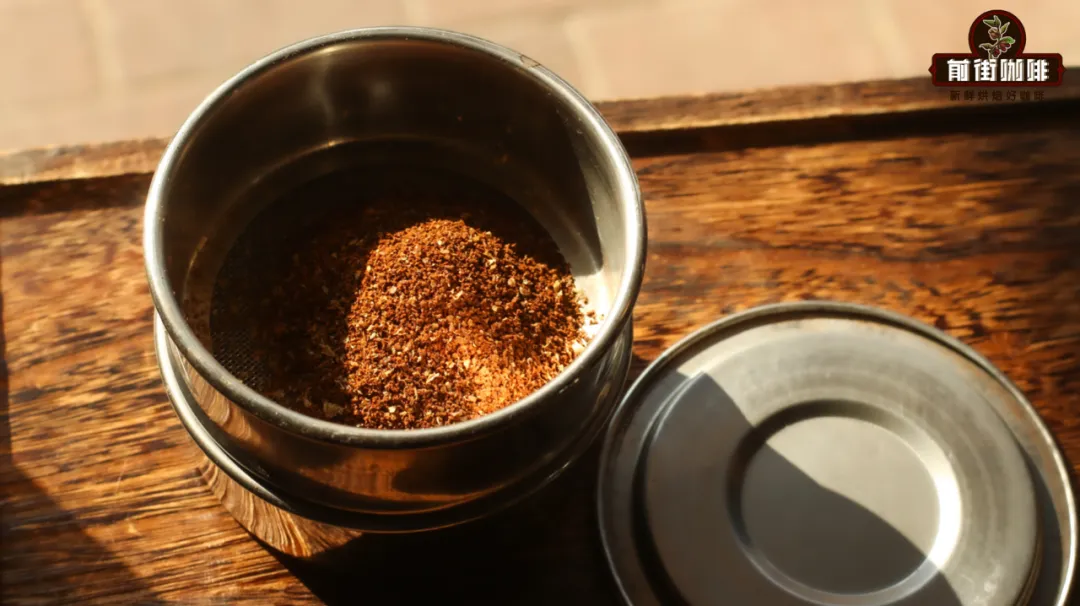
In practice, how can you tell if the grind size is appropriate? A simple method is to observe the brew time and flow rate. Generally, the ideal pour over brew time is around 2 to 3 minutes. If the water flows too quickly and the brew time is too short, the grind may be too coarse and should be adjusted finer. Conversely, if the water flows too slowly and the brew time is too long, the grind may be too fine and should be adjusted coarser.
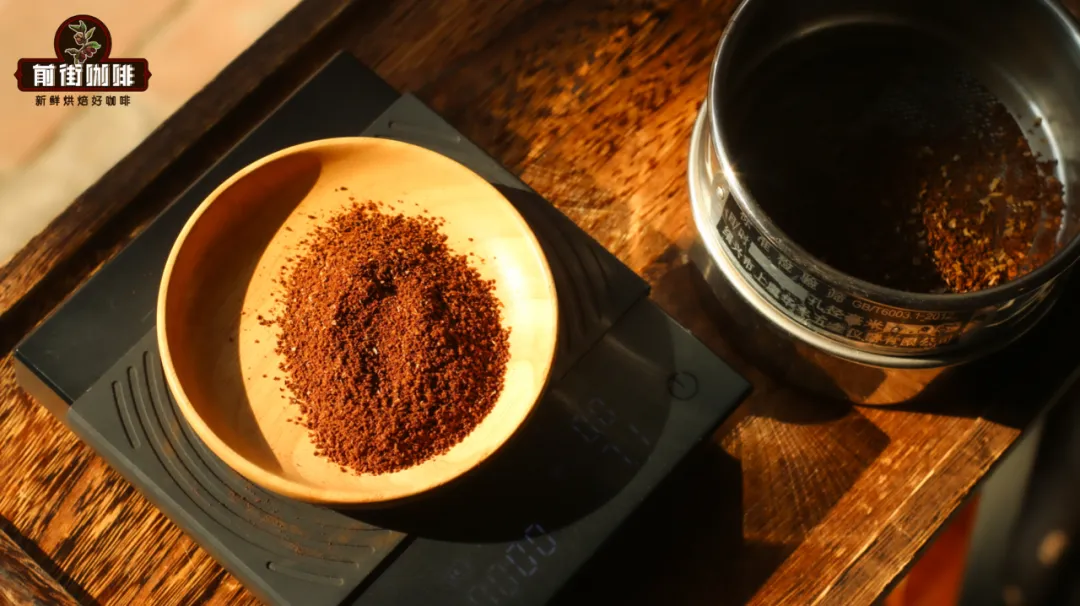
Additionally, flavor expression is also an important indicator of grind size suitability. If the coffee tastes sharp or overly bitter, it may be due to over-extraction caused by a too-fine grind. If the flavors are dull or lack complexity, it may be due to under-extraction from a too-coarse grind. Through continuous experimentation and fine-tuning, you can gradually identify the grind parameters that best suit your taste and the specific beans you’re using.
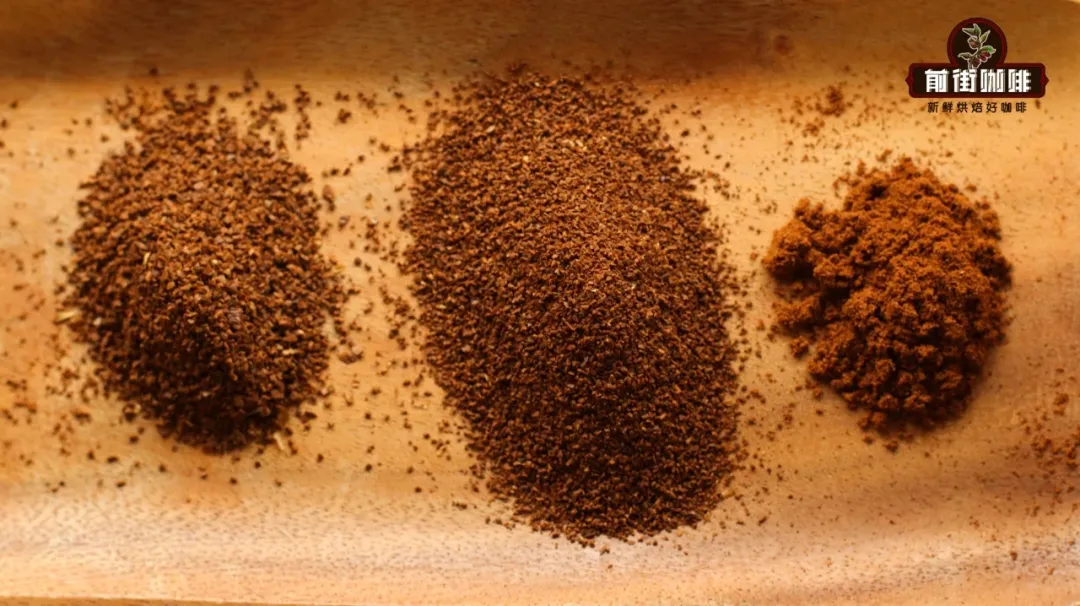
During the process of adjusting grind size, it’s recommended to make only small changes at a time, such as adjusting the grinder setting by one notch, and to record each adjustment along with the corresponding flavor changes. This not only helps you more accurately understand the relationship between grind size and flavor, but also builds up your own brewing data, improving the consistency and quality of your pour over coffee.

In summary, there is no absolute standard for pour over coffee grind size. It needs to be comprehensively considered based on factors such as the bean's roast level, processing method, personal taste preferences, and brewing conditions. Through systematic observation, adjustment, and recording, you will gradually find the grind parameters that work best for you, allowing every cup of pour over coffee to showcase its optimal flavor profile.

The above content is compiled by CoffeeHunters, a coffee news website.


