Introduction:When you’ve grown accustomed to mainstream coffee origins like Yirgacheffe and Mandheling, why not turn your attention to lesser-known, unique-origin beans? These under-the-radar regions may not be famous, but they often hold delightful surprises — from distinctive fruit notes to rich layered profiles — that can refresh your pour over experience. This article will guide you on how to select single-origin beans from niche regions and share practical tips on flavor assessment and bean selection, helping you find your next coffee favorite.
Have you reached a point in your coffee journey where you find yourself cycling through the same familiar origin names — such as Yirgacheffe, Mandheling, or Blue Mountain? These well-known regions certainly have their own charm, but the global coffee map is far more expansive than what’s commonly available in the market. By shifting your gaze slightly toward the fringes, you can often uncover unexpected gems. So-called niche origins typically refer to coffee-growing areas with limited production and lower visibility, yet they boast exceptionally unique flavor profiles. What they lack is simply the chance to be discovered by more people.
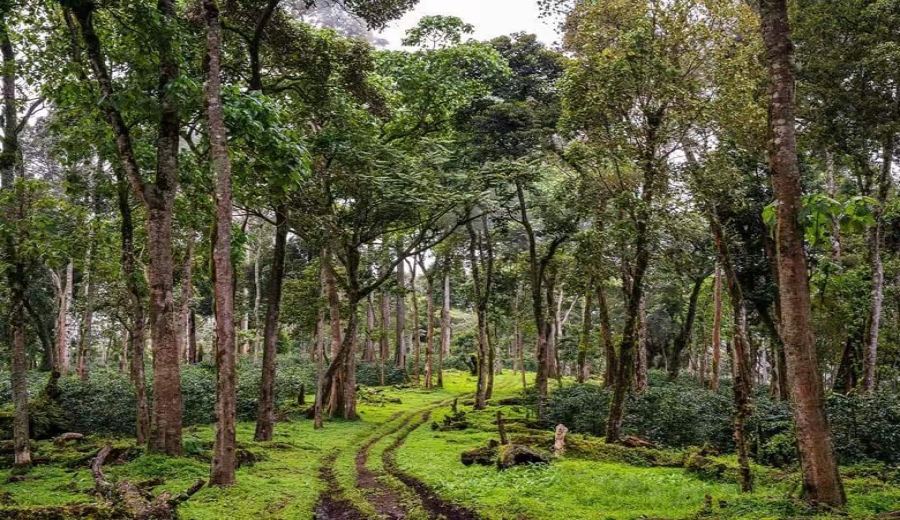
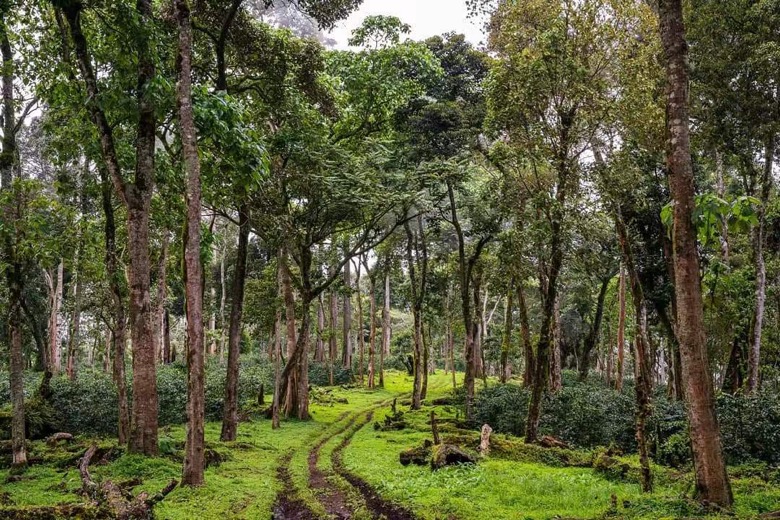
The distinction between mainstream and niche is often not due to differences in quality, but rather influenced by market circulation and commercial promotion. For example, the Guji region in Ethiopia was once overlooked, but today, the Hambela area within Guji produces Huika coffee beans celebrated for their intense strawberry jam aroma and oolong tea-like finish, making them a favorite among flavor enthusiasts. It’s worth noting that Guji neighbors Yirgacheffe, not only sitting at higher altitudes but also surrounded by denser forests — natural conditions that together shape its distinctive coffee character.
If you’re looking to try niche-origin beans, here are some recommended directions to start: First, consider geography. Areas adjacent to well-known origins often share similar terroir and thus exhibit comparable flavor potential. The relationship between Guji and Yirgacheffe is a prime example — choosing such regions usually lowers the risk of disappointment while increasing the chance of discovering something special. Second, pay attention to coffee variety. Some lesser-known regions still grow traditional and stable varieties like Typica or Bourbon, which typically deliver clear, approachable flavors. Lastly, don’t overlook the reputation of processing stations and exporters. When information is scarce, reliable intermediaries often serve as an important guarantee of quality.
Following these selection principles, a certain brand’s Colombian Huila beans are worth considering. Although Huila isn’t the most famous among South American origins, its volcanic soil and high altitude produce coffee with nutty and caramel sweetness, soft and balanced acidity, and lingering sweetness even when cooled — making it a solid everyday choice. Its relatively accessible price also makes it perfect for coffee lovers wanting to broaden their origin horizons.
For those wanting to explore further, consider small-batch beans from boutique farms with detailed origin information. Take Panama’s Boquete region, for instance, one of the birthplaces of the renowned Geisha variety. A certain brand’s Panamanian Geisha showcases the region’s signature delicate floral notes and honey-like sweetness. Though pricier, this bean is a prime example of “the more obscure the origin, the more distinctive the flavor” — every sip lets you taste the correlation between cost and cup profile.
The joy of tasting niche-origin coffees lies not only in the flavor variations in the cup, but also in continually expanding your understanding of coffee. Each time you try a new origin, start by researching its altitude, latitude, and primary processing methods to form preliminary flavor expectations. Then, after tasting, reflect on how the cup reflects its growing conditions. Whether your guesses are right or wrong, this process deepens your coffee knowledge and opens up both your selection options and your appreciation for finer nuances.
The above content is compiled by CoffeeHunters, a coffee news website.