Introduction:Explore the flavor secrets of East African highland coffees, from Ethiopia to Kenya. This elevation-ascending origin map, shaped by unique geography, nurtures captivating floral and fruity profiles. Discover how different processing methods and roast levels bring out layers of citrus, berries, and dark berries, and master brewing parameters to build your own coffee tasting map — starting with a fruity Americano.
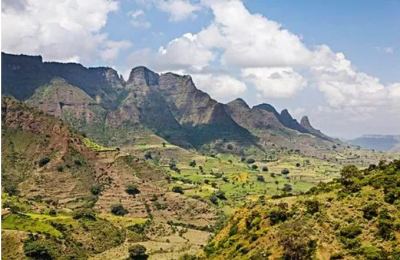
In the world of fruity and floral coffees, the East African highlands are undoubtedly a golden region that can’t be overlooked. Stretching from Ethiopia southward to Kenya, this equator-hugging plateau — where altitude rises steadily and day-night temperature differences are pronounced, with abundant sunshine by day and cool nights — allows coffee cherries to slowly accumulate sugars and acidity. This creates a distinctive, refreshing floral-fruity aroma. If you want to deeply experience what a truly layered fruity Americano tastes like, following this origin map is the best entry point.
First, we arrive in Ethiopia, the country hailed as the birthplace of coffee, which boasts diverse microclimates and a rich variety of genetic cultivars. Its fruit-forward expressions could be considered a microcosm of the entire coffee world. Take Yirgacheffe, for example — this region lies in the northwest of Sidamo, at an average altitude of about 2,000 meters, with coffee trees mostly planted on semi-shaded slopes. The area’s highly representative washed processing technique results in coffee with a clean and bright profile, featuring vibrant citrus acidity and elegant jasmine floral notes, along with a clean and crisp mouthfeel. It’s the go-to choice for many fruity-floral coffee lovers just starting out.The classic expression of Yirgacheffe, such as its fresh lemony tones, can reproduce the delicate flavors akin to a floral-fruit tea when extracted at the right temperature.It’s ideal for light to medium roasts, using water around 90°C and medium-fine grind to fully highlight its native fruit characteristics.
Heading further east takes you into the Guji zone, which has recently risen as a rising star of East African coffee thanks to its varied microclimates and innovative processing techniques. The altitudes here are generally higher than those of Yirgacheffe, coupled with significant day-night temperature variations, fostering an explosive fruitiness. In particular, the sun-dried beans from this area often carry intense, exuberant berry and tropical fruit aromas — the moment you open the bag, you can smell the complex layers of passionfruit intertwined with rose. For instance, a well-known brand’s Huakui comes from the Guji’s Hanni region and uses hand-selected coffee cherries, slowly fermented and ripened on raised drying beds, resulting in a sweet, juicy mouthfeel. Even when brewed as a black coffee Americano, its sweetness and fruitiness remain vividly bold.It shows even more fruity drink vibes when served cold, making it a representative of refreshing summer coffees.Compared to the clean washed profile of Yirgacheffe, Guji’s sun-dried processing presents another bold and passionate stroke.
Crossing the border into Kenya, its coffee regions are mainly concentrated around Nyeri and Thika. The fertile volcanic soil and the unique double-fermentation washed process create a distinctly different dark berry flavor profile. Kenyan beans are famed for their SL28 and SL34 varieties — these heirloom cultivars exhibit extremely high acidity and complexity, often showcasing flavors like blackcurrant, dark plum, and mulberry, with balanced sweetness and acidity in layered profiles.Their washed process involves double fermentation, further enhancing the richness of the fruit flavors and the continuity of the aftertaste.When brewed into an Americano, the acidity is bright yet not overwhelming, resembling berry jam dissolved in water, and the aftertaste often carries a hint of fresh tomato-like acidity, adding an unexpected twist to the overall flavor.
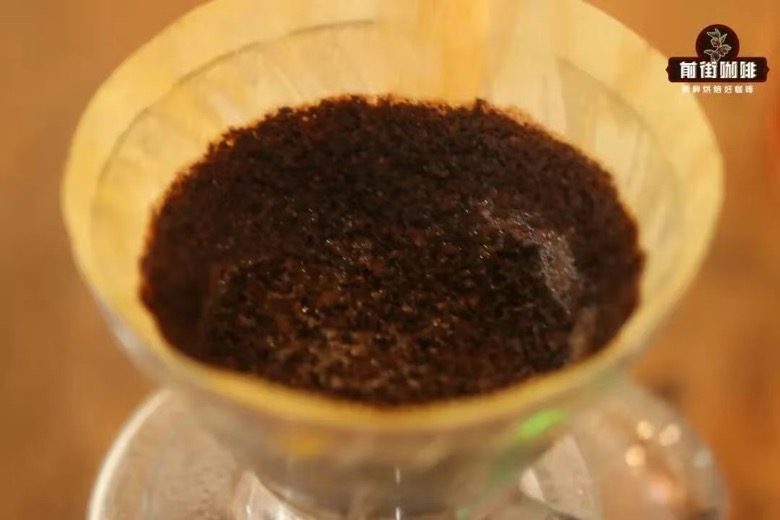
Through this East African origin map, you can not only taste the unique personalities of coffees from each area but also enjoy the fun of comparative tasting. For example, brew washed Yirgacheffe and sun-dried Guji Huakui side by side into Americanos — one with citrus freshness, the other with intense berry richness, and the flavor differences will be immediately clear. Add in the deep berry tones of Kenya, and you’ll experience the full spectrum of East African fruity flavors, from refined to bold to full-bodied. When brewing, it’s recommended to use light to medium roasted beans, control the water temperature around 90°C, pair with a medium-fine grind, and follow the standard Americano brewing process to clearly bring out the unique aromas and layers of each origin.
In summary, an origin map isn’t just a display of geographical locations — it’s a detailed flavor map. The freshness and layering of Ethiopia, the richness and lingering aftertaste of Kenya — each origin, under the combined influence of natural environment and processing techniques, shapes a one-of-a-kind aromatic expression in the cup. Keep this East African fruity route in mind, and future bean selection will naturally become more directed. Fruity flavors won’t be just a happy accident — they’re the already-written answers from each origin.
The above content is compiled by CoffeeHunters, a coffee news website.