Introduction:Even within the Arabica species, the prices of commercially available coffee beans can vary by tens or even hundreds of times — from affordable commercial beans to sky-high auction lots. Each price tier possesses its own unique value and flavor profile. This article will guide you through the spectrum of coffee bean pricing, analyzing the differences from entry-level to top-tier auction beans, and offering practical purchasing advice to help you find the beans that best suit your needs and budget.
In the world of coffee, beans labeled as “Arabica” can span an extremely wide price range — from the common, inexpensive beans found on supermarket shelves to premium auction beans that sell for astronomical prices per pound. Understanding the differences between each price range not only helps you get more value for your money but also enables you to find the beans that best match your taste preferences.
The most basic tier is commercial-grade Arabica beans. These beans typically come from large-scale farms at low altitudes and are harvested and processed using mechanical and industrial methods. Their flavor profiles are relatively simple, but they generally offer a clean and defect-free cup, making them commonly used in instant coffee, drip bags, or canned coffee. Although they lack complex flavor layers, they are a cost-effective choice for those who drink coffee in large quantities daily.
The next step up is specialty-grade Arabica beans. These beans usually score above 80 points in cupping evaluations. Not only are their origins and farms clearly indicated, but the processing methods are also specified in detail. Coffee in this category begins to exhibit distinct regional characteristics, with recognizable notes ranging from fruity to nutty profiles. This is also often the first step for many beginners entering the world of specialty coffee.
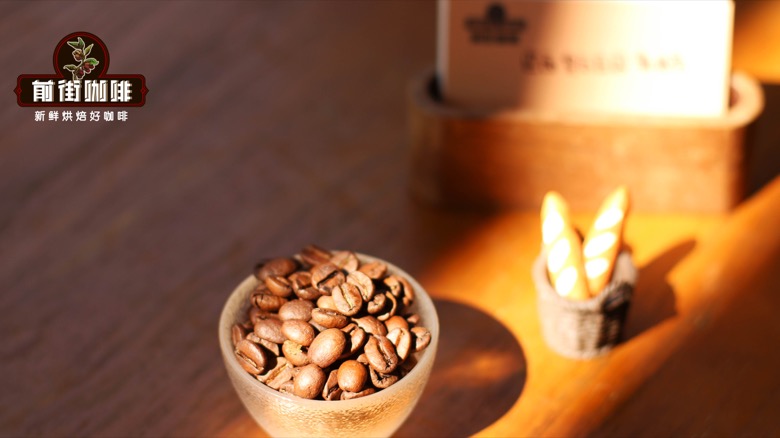
Going even higher are Micro-lot and Single Estate coffee beans. These beans typically come from specific sections of a mountain or farm that enjoy optimal sunlight and microclimatic conditions. They are carefully handpicked during harvest and undergo more meticulous processing, resulting in concentrated and complex flavors. Due to their limited production, these beans naturally command higher prices, but for coffee enthusiasts seeking intricate flavor details, they are a worthwhile investment.
At the very top of the pricing spectrum are auction-grade coffee beans, such as the renowned Panamanian Geisha. These beans are often extremely rare, come with unique backstory elements, and demonstrate outstanding cupping scores, which is why they can sell for hundreds or even thousands of dollars per pound at international auctions. Such coffees represent the pinnacle of flavor expression and serve as symbols of collection and connoisseurship, best savored on special occasions.
However, in practical brewing applications — especially when making espresso or milk-based drinks — a higher price doesn’t necessarily translate to a proportional increase in flavor. The high pressure used in espresso extraction and the fat content in milk can mask some of the more delicate flavor notes. Using expensive auction beans for espresso can sometimes feel like “drinking fine liquor from a champagne glass” — their full potential may not be fully realized. Therefore, a more rational approach is to choose beans in layers based on intended use.
For everyday “staple beans,” it’s recommended to opt for cost-effective specialty blends, such as a mix of Brazilian and Ethiopian beans. These provide stable notes of nuts and chocolate and perform well whether brewed as Americano or milk coffee. They are also relatively affordable, making them ideal for daily consumption. If you want to explore the characteristics of a single origin, Brazilian Cerrado beans are known for their creamy texture and nutty sweetness, while Queen Estate beans also deliver solid performance in this category, making them excellent value choices.
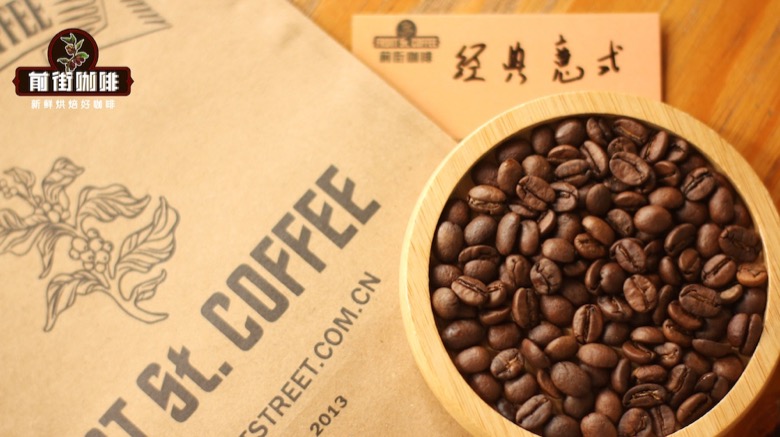
Moving into the “flavor layer,” consider specialty-grade single-origin beans. For example, coffee from Colombia’s Huila region offers clear layers of caramel and fruit notes, and even when directly brewed as espresso, it delivers a refined flavor profile. It also performs steadily in milk-based drinks. It’s advisable to allocate your budget wisely across three levels: choose larger-sized packs for staple beans to reduce the per-unit cost, go for smaller packs of flavor beans to regularly try different origins, and reserve auction-grade top-tier beans for special moments. This allocation strategy is more practical than simply chasing high prices.
To truly understand this pricing ladder, it’s recommended to conduct side-by-side tastings: brew a staple bean and an upgraded bean within the same week, and the subtle differences will become more apparent. Remember, price is not an absolute indicator of quality, but rather a composite reflection of rarity, cultivation and processing costs, as well as flavor intensity. Finding your personal “sweet spot” price that matches both your taste and budget is the key to truly grasping the spectrum of Arabica coffee pricing.
The above content is compiled by CoffeeHunters, a coffee news website.