Introduction:Yirgacheffe coffee beans are renowned for their distinctive floral and fruity aromas, as well as their bright acidity, making them a top choice for many coffee enthusiasts as their first step into specialty coffee. This article delves into this Ethiopian washed-processed coffee, covering everything from the geographical environment and climate conditions of the producing region to the intricate flavor profile and the evolution of processing methods — helping you fully grasp the charm of Yirgacheffe and find your own preferred flavor characteristics.
For nearly a century, many people have been accustomed to adding sugar and milk to their coffee, a habit largely associated with the strong bitterness of dark-roasted beans such as Mandheling, Brazil, Colombia, and Blue Mountain. However, Yirgacheffe coffee beans, with their small bean size and light roast process, showcase a refreshing, bright fruit acidity along with a rich bouquet of floral and fruity aromas, opening up a new horizon in the way coffee is enjoyed.
The African continent is not only vast in area but also has an average elevation of 750 meters, earning it the nickname "the plateau continent." The land is crisscrossed with mountains, volcanoes, lakes, and rivers. Straddling the equator, it maintains an average annual temperature of over 20°C, characterized by a typical tropical climate. This region is not only rich in natural resources but also home to numerous renowned coffee-producing countries, including Ethiopia, Kenya, and Tanzania. Among them, Ethiopia is recognized as the birthplace of coffee and is the largest Arabica coffee producer in Africa.
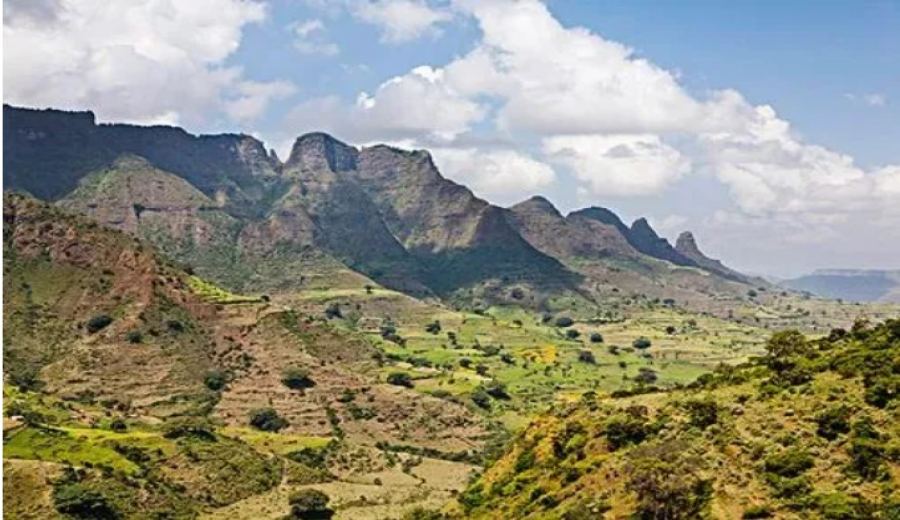
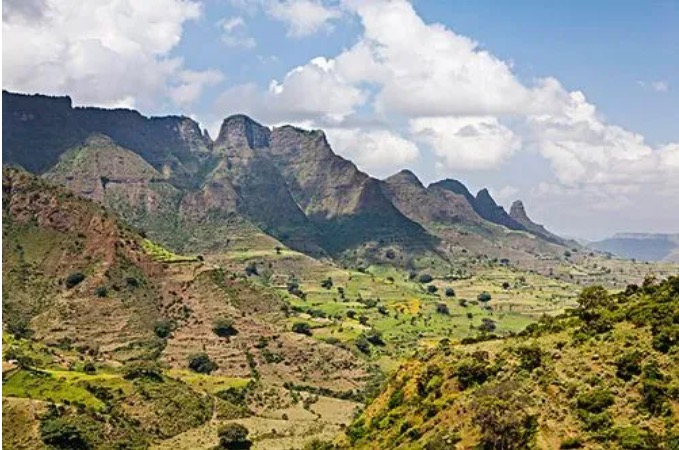
The reason Ethiopian coffee enjoys such high global renown lies in its abundance of unique native coffee varieties, as well as its exceptional geographical and climatic conditions. The country is located in the northeastern part of Africa, with a terrain dominated by highland plateaus. Approximately two-thirds of the nation’s area consists of the Ethiopian Highlands, particularly the central and western highland regions which are core zones. The East African Rift Valley runs through the entire country, and the mountainous areas have an average elevation close to 3,000 meters, while the national average elevation reaches as high as 2,450 meters.
Due to its high-altitude characteristics, Ethiopia maintains an average annual temperature of about 16°C, with significant diurnal temperature variations. Its climate is broadly divided into a dry season and a wet season, with an average annual rainfall of approximately 1,237 millimeters. Moreover, the country has over 50 volcanoes, along with abundant water resources and a high-altitude mountainous environment, creating ideal conditions for coffee cultivation.
Currently, Ethiopia is divided into 12 states and 2 autonomous administrative regions, featuring 10 major coffee-growing regions, several of which are internationally renowned, such as Sidamo, Jima, Harrar, Guji, and Yirgacheffe. Notably, both Guji and Yirgacheffe were originally part of the Sidamo region, but due to their distinct flavor profiles, they later became independent, dedicated producing areas.
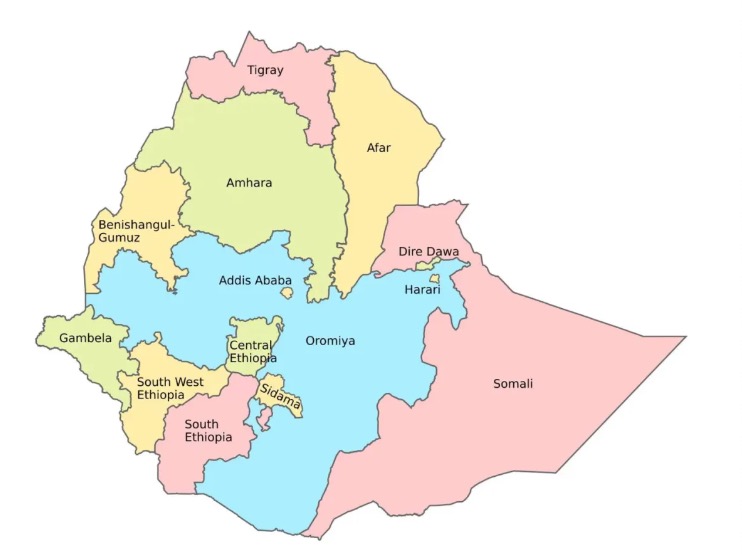
Administratively, Yirgacheffe is a small town within the Southern Nations, Nationalities, and Peoples' Region of Ethiopia. Its terrain is rugged and its ecology diverse. To the west of the region lies Lake Abaya, which has been a wetland environment since ancient times, providing ample water sources. Coupled with a mild climate and stable rainfall, it creates a microclimate that's perfect for coffee growth. The coffee-growing areas here generally lie at elevations between 1,750 and 2,200 meters, with fertile soil and ample sunlight — offering ideal growing conditions for coffee trees. Many entry-level specialty coffee enthusiasts are impressed by the washed Yirgacheffe beans launched by a certain coffee brand, whose flavor profile often features delicate jasmine floral notes, bright lemon acidity, and pronounced fruit tones like orange and berries, resulting in a refreshing and layered taste.
However, the Yirgacheffe producing region is not limited to the town itself but also encompasses surrounding sub-regions such as Wenago, Kochere, and Gedeb. Among them, Wenago is located about 26 kilometers north of Yirgacheffe town, Kochere about 25 kilometers to the south — both are smaller-producing areas; Gedeb is a township approximately 60 kilometers from Yirgacheffe town, each showcasing different microclimates and flavor traits.
Since Ethiopia’s economy is primarily agriculture-based, local coffee farming mostly consists of small-scale garden-style agriculture (garden coffee). Farmers typically grow coffee trees alongside other crops around their homes, taking care of planting and harvesting themselves. After harvest, the beans are either purchased by middlemen or delivered by the farmers themselves to nearby processing stations. As a result, many coffee products are branded under the names of sub-regions or processing factories (often village names), such as Yirgacheffe Kochere beans or Yirgacheffe Gedeo Farmers Cooperative beans launched by a particular coffee brand.

In the early days, the Yirgacheffe region mainly used the traditional natural (sun-dried) processing method, allowing coffee cherries to dry naturally in the sun, preserving the full flavor of the fruit pulp. However, as the demand for higher coffee quality grew, processing techniques gradually evolved.
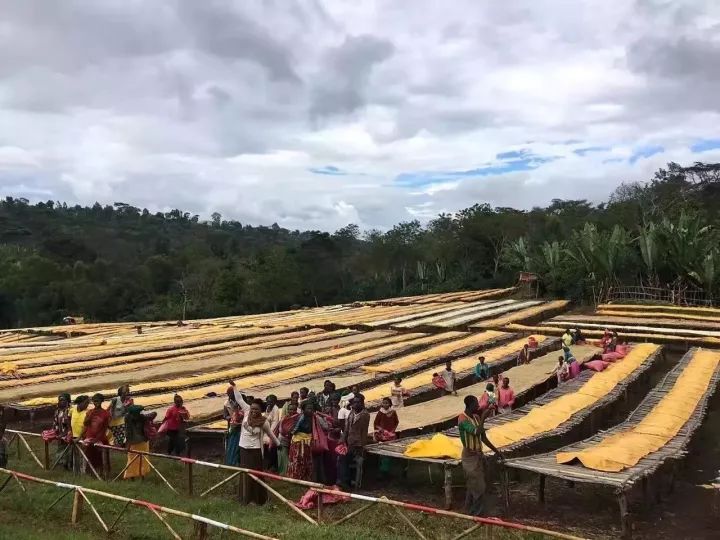
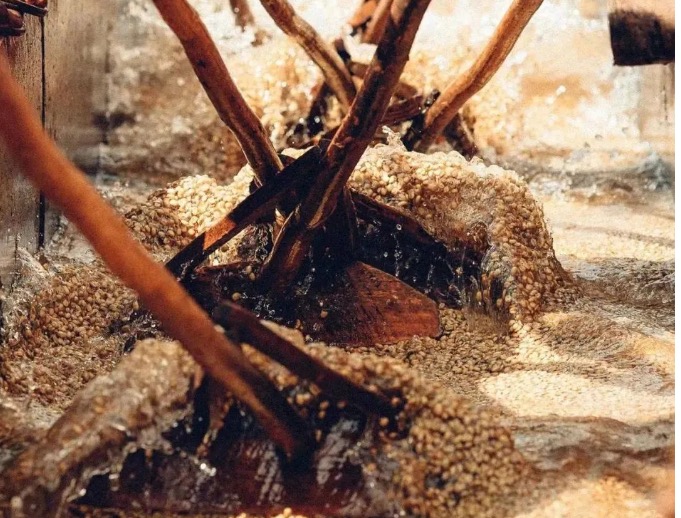
In 1972, the Ethiopian government introduced washed processing technology originating from Central America in an effort to improve overall coffee quality. A dedicated washed coffee processing plant was established in the Yirgacheffe area. By removing the fruit flesh and mucilage layer, followed by a strict washing and fermentation process, washed Yirgacheffe revealed a completely different set of flavor characteristics — bright white floral notes, fresh lemon acidity, and a clean tea-like sensation reminiscent of green tea. Compared to Sidamo coffee beans, although both offer fruity and acidic notes, washed Yirgacheffe presents a clearer layering. It is precisely for this reason that the region gradually stood out, becoming an independent and highly regarded specialty coffee origin.
To this day, Yirgacheffe still primarily produces washed coffee beans. However, with the evolution of the specialty coffee trend, local producers have also begun experimenting with more diverse processing methods, including refined natural (sun-dried), anaerobic slow natural (sun-dried), and other innovative techniques, further expanding the flavor possibilities of the region and bringing a richer taste experience to coffee lovers.
The above content is compiled by CoffeeHunters, a coffee news website.