







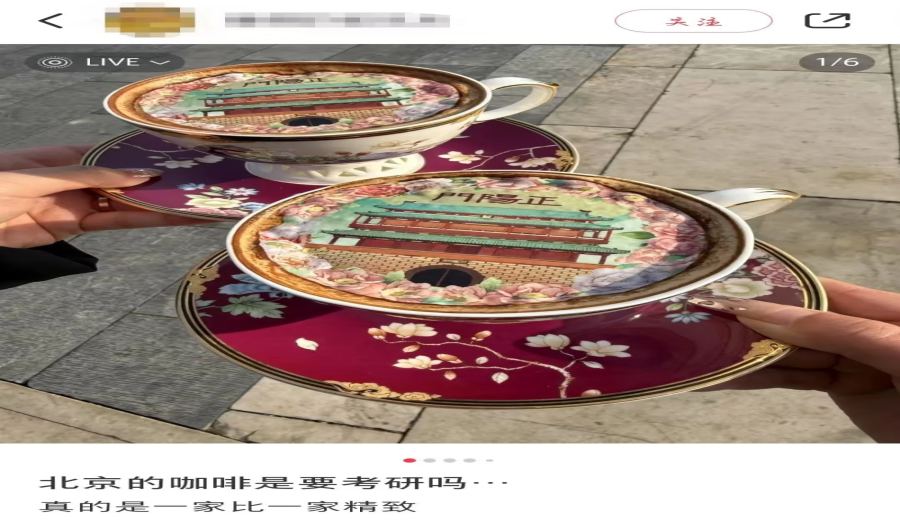
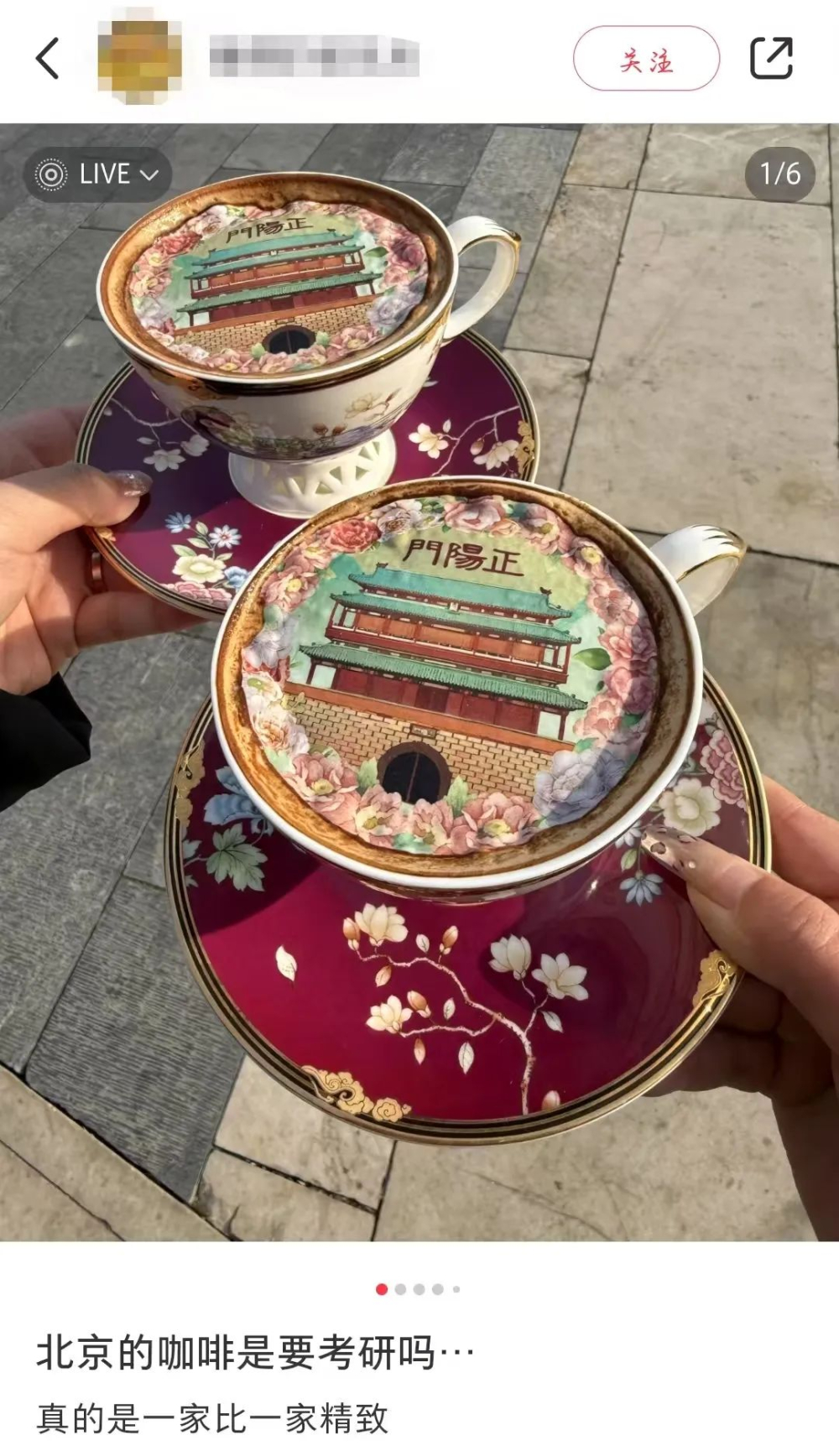
Introduction:When a latte features an exquisitely printed pattern of Beijing’s Zhengyangmen Gate Tower, this "postgraduate-level" printed coffee instantly sparked heated discussion on social media. The edible rice paper printing technology expands latte art beyond traditional milk foam designs, but it has also raised consumer concerns about food safety and taste impact. This article delves into the production principles behind this creative decoration, exploring whether it enhances the coffee experience or is merely a photo-worthy gimmick, while offering practical observation tips to help readers judge.
Recently on social media, a latte adorned with a pattern of Beijing’s Zhengyangmen Gate Tower became a hot topic. With its intricately printed, lifelike edible ink design floating on the coffee’s surface, this meticulously crafted beverage left many netizens in awe of the barista’s craftsmanship. However, some consumers expressed unease over the colorful liquid patterns, questioning whether such creativity is an extension of culinary art or simply a visual gimmick to attract photos.
This so-called "postgraduate-level" printed coffee actually employs a printing technique that combines edible rice paper with food-grade ink. The rice paper itself is made from natural starch,melts in the mouth and is harmless,and is commonly used in traditional dessert packaging or as a barrier layer in medicine. When combined with food-grade ink, it can print clear, edible patterns on drinks like lattes—ranging from scenic architecture to portrait sketches, and even brand logos.
In shared posts by coffee enthusiasts around the world, such customized latte designs are no longer novel. Baristas create various patterns based on holidays, local elements, or customer preferences to print on the drink’s surface. Some shops opt to gently place the rice paper patterns on top of the foam, while others use professional food printers to directly “print” the designs onto the liquid, crafting a coffee experience that’s both visual and interactive.
However, this creative decoration has drawn polarized opinions. Supporters argue that such designs not only elevate the artistic value of coffee but also serve as eye-catching highlights on social media—especially fitting as souvenirs or limited-edition event items. Critics, on the other hand, point out that although the rice paper is edible,most patterns are purely for display and often need to be fished out before drinking,which can detract from the overall taste and raise food safety concerns, such as whether colorants or additives exceed safe limits.
From a technical standpoint, the key to edible rice paper printing lies in the selection of ink and the control of printing precision. Professional food-grade inks must pass rigorous food safety certifications to ensure they don’t release harmful substances under high temperatures or in liquid environments. The thickness and flexibility of the rice paper also require testing to ensure the pattern remains stable on the coffee’s surface without dissolving prematurely or affecting the drink’s appearance.
For consumers, determining whether such creative coffee is worth trying can be guided by several practical considerations: first, observe whether the pattern is clear and evenly colored—excessively vibrant or blurry designs may indicate quality issues; second, ask the shop whether the materials used are food safety certified; finally, decide based on your personal taste preference whether you’re comfortable with decorative patterns on the liquid’s surface, as the balance between visual appeal and actual flavor varies for each drinker.
In summary, edible rice paper latte art opens up new possibilities for creative coffee decoration, showcasing the diverse facets of coffee culture whether as holiday exclusives, brand marketing, or artistic expression. However, while pursuing visual wow-factor, consumers should also maintain rational judgment regarding food safety and actual flavor to truly enjoy a coffee experience that’s both beautiful and high-quality.
The above content is compiled by CoffeeHunters, a coffee news website.


