







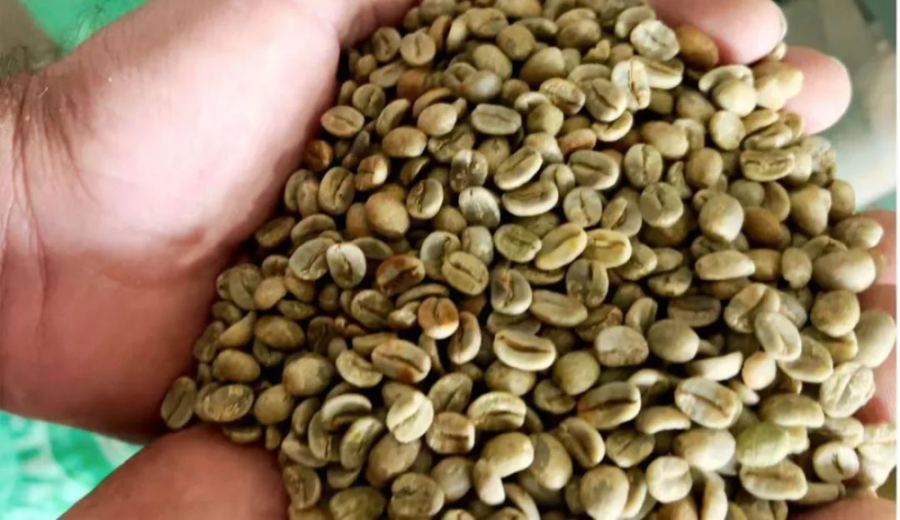
Introduction:The world’s largest coffee-producing country, Brazil, has recently seen its spot coffee prices surge to a 26-year high, driven by drought conditions and tariff policies. This article delves into the current state of Brazil’s coffee-growing regions, conflicting production forecasts, and how macroeconomic factors are collectively shaping market trends and future outlooks.
As a key player in global coffee supply, Brazil’s spot coffee prices have risen dramatically in recent times, hitting a 26-year record high. Behind this surge is the ongoing impact of prolonged drought and high temperatures, which have drastically reduced coffee yields. Added to that are uncertainties stemming from potential U.S. port strikes and fluctuating tariff policies, painting a challenging picture for overall market supply prospects.
According to local Brazilian statistics, the prices of domestic coffee-related products have cumulatively risen by nearly 33% from December of last year to November of this year. At the same time, coffee spot prices have also been climbing steadily.The average price per 60-kilogram bag has reached 2,100 to 2,200 Brazilian reais.This marks a multi-year high. On December 10, futures prices on the New York Stock Exchange even briefly touched a high of $426 per bag, while U.S. C-market coffee futures prices rose to 348.3 cents per pound.
Industry experts point out that since coffee is an agricultural crop, its yield recovery typically requires a relatively long cycle.As a result, at least until 2026, the average price of Brazilian coffee is expected to remain at a high level.Actual performance will still depend on climatic conditions in 2025.
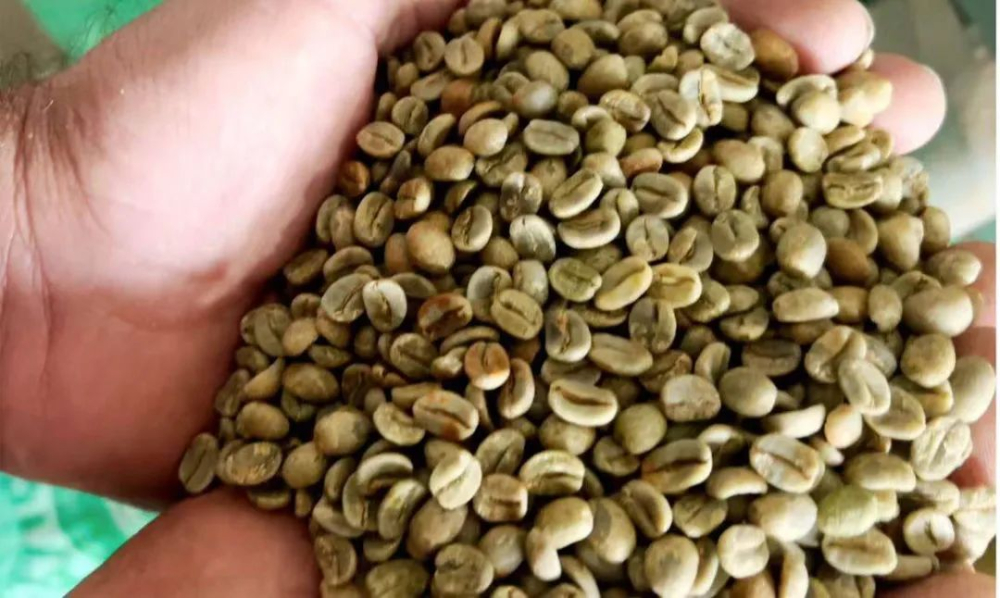
It is worth noting that Brazil is not only the world’s largest coffee producer but also the second-largest coffee consumer globally, second only to the United States. Even against the backdrop of soaring coffee prices, market demand continues to show steady growth. To meet domestic demand, Brazil has begun importing coffee beans from abroad, though this strategy may impact the future volume of coffee available for export.
Focusing on the production regions, key Brazilian coffee-growing areas such as Minas Gerais and São Paulo have been hit hard by prolonged high temperatures and drought, leading to widespread leaf drop in coffee trees and, consequently, a decline in overall yield. Additionally, Brazil’s coffee harvest follows a distinct pattern of “on” and “off” years, where the yield during “on” years is typically significantly higher than during “off” years. However, this year was expected to be an “on” year with a more abundant harvest, yet the effects of global climate change seem to have disrupted this pattern, resulting in lower-than-expected actual yields.
This production challenge is directly reflected in pricing. In January of this year, the average price of a 60-kilogram bag of coffee beans was around 700 to 750 Brazilian reais, but by November, the average had soared to approximately 1,805 reais,breaking the highest record since February 1998.As of December, prices show no signs of stabilizing, with the current average price for a 60-kilogram bag of coffee beans ranging between 2,100 and 2,200 reais. On December 11, the closing price for a 60-kilogram bag of coffee beans on the New York Stock Exchange even reached 2,561.78 reais.
Faced with high market uncertainty, the international coffee trading company Neumann Kaffee Gruppe (NKG) recently released its latest report on Brazil’s coffee industry. The report predicts that the final production of Brazilian Arabica coffee for the 2025/26 season could reach 40 million bags (each bag weighing 60 kilograms), a figure significantly higher than the earlier estimate of 34.4 million bags by another trader, Volcafe. However, NKG also emphasized that it is “still too early” to accurately assess the actual output of Brazil’s 2025/26 coffee crop, as numerous variables remain in play.
Additionally, the monetary policy of the Brazilian Central Bank has also had some impact on the market. Recently, the bank announced an interest rate hike, raising the benchmark rate to 12.25%, which led to a slight appreciation of the Brazilian currency, the real. Nevertheless, the U.S. dollar remains strong, with the exchange rate still exceeding 1 U.S. dollar to 6 Brazilian reais. Meanwhile, a series of tariff policies proposed by U.S. President-elect Trump have further heightened uncertainty in the foreign trade sector.
Furthermore, some U.S. ports are facing the threat of strikes, prompting domestic and international traders in the U.S. to expedite their trade activities to avoid potential strike and tariff risks. It has been reported that container throughput at U.S. ports in December is expected to increase by 14.3% year-on-year. This has indirectly boosted U.S. purchasing power for Brazilian coffee, further supporting the upward trend in Brazilian coffee prices. With multiple factors interacting, coffee prices are unlikely to see a significant drop in the short term.

The above content is compiled by CoffeeHunters, a coffee news website.


