







Introduction:The popular topping at Mixue Ice Cream & Tea — the egg custard — has quietly been replaced with a white milk custard, sparking intense consumer discussions about flavor, cost, and health. Is this formula change an upgrade in healthiness or a compromise to consumer taste preferences? This article delves into employee responses, production differences, flavor changes, as well as the pros and cons of the new custard, helping readers understand the brand’s strategy and make informed choices.
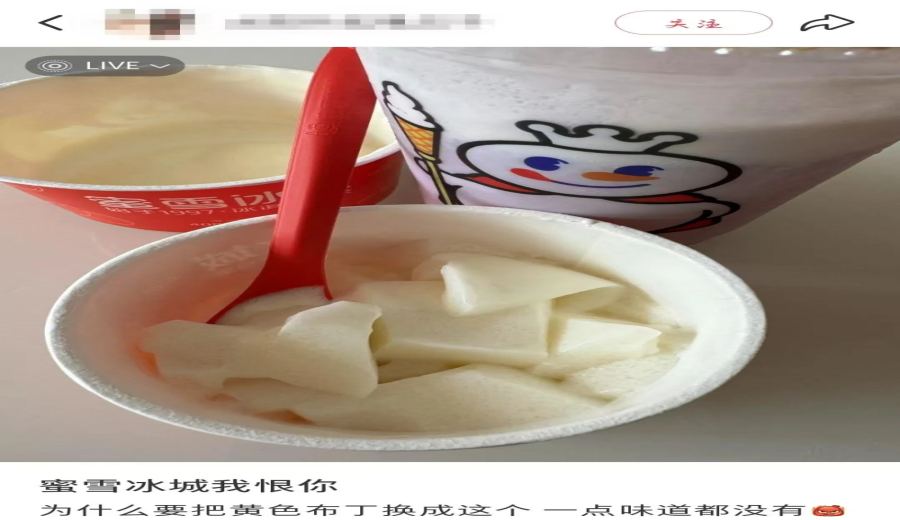
Recently, one of Mixue’s classic toppings — the egg custard — was unexpectedly replaced by a milky-white milk custard without prior notice, surprising many customers accustomed to its original flavor and even causing dissatisfaction. Some consumers on social media platforms expressed that they were expecting a yellow custard rich in eggy aroma, but instead received a white custard resembling milk jelly with a noticeable milkiness, both in texture and taste vastly different from before.
This new custard has quickly drawn polarized reactions among customers. Some feel the milk custard is too bland, lacking depth, with a prominent milkiness that makes it less flavorful and enjoyable compared to the previous egg custard. Others suspect the brand made the change to reduce production costs. However, according to some Mixue store employees, the reality may differ somewhat from what consumers assume.
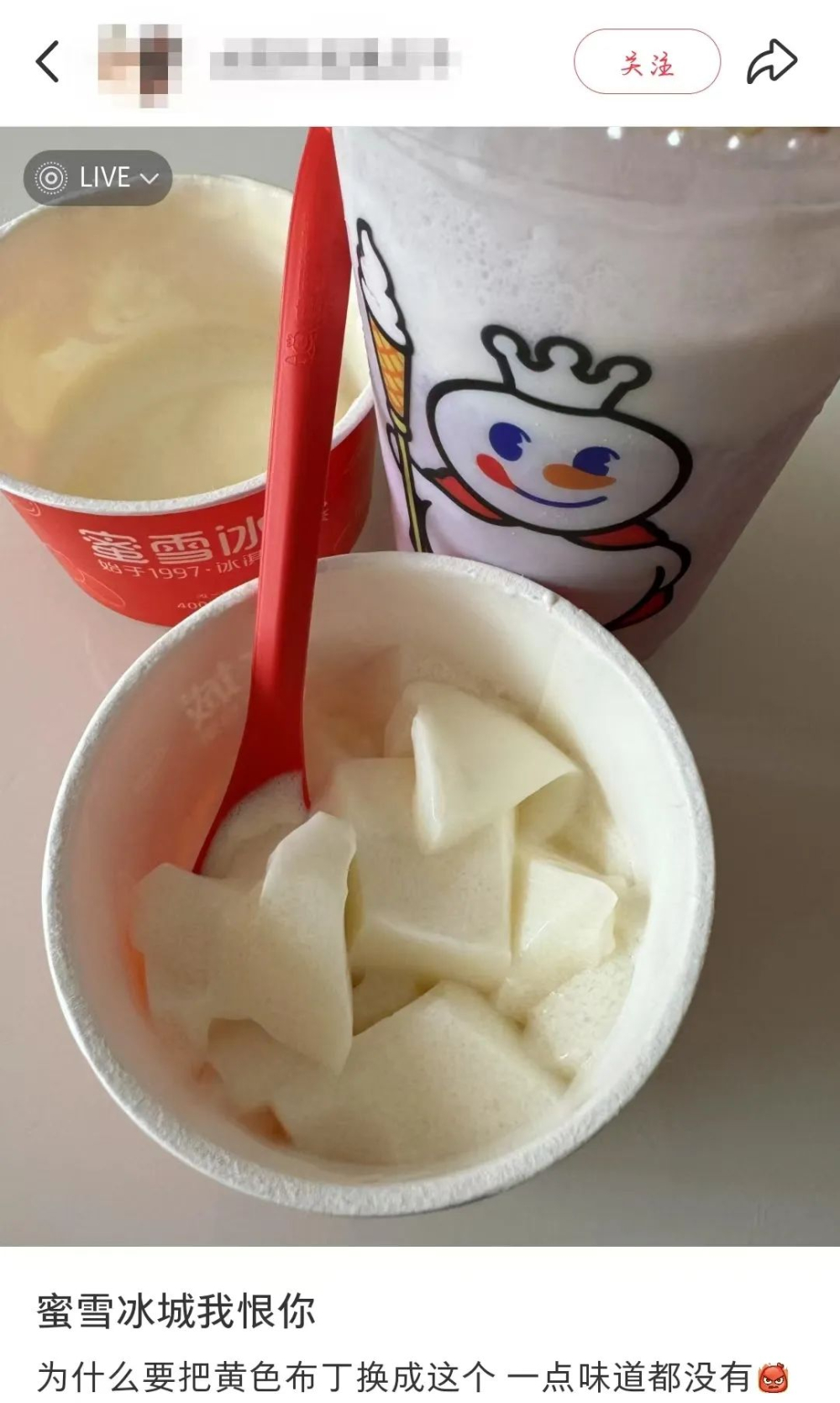
According to insider employees, Mixue’s original yellow custard was made by mixing egg custard powder with water in a specific ratio. But not long ago, the brand’s headquarters issued a new notice upgrading the egg custard powder, resulting in the milky-white milk custard now served to customers. Since some stores still have remaining stock of the old custard powder, traditional yellow custard can still be found in certain regions, but once the old supply runs out, the new milk custard formula will be fully implemented.
It’s worth noting that employees emphasize that although the public generally believes the brand changed the formula to cut costs, in reality,the production cost of the new milk custard is actually slightly higher than that of the old version. This is because, in addition to water, the new custard also requires the addition of fresh milk during mixing to achieve its richly milky white texture. While this adjustment enhances the naturalness of the flavor, it also increases ingredient costs, shortens shelf life, and raises the risk of product waste.
Moreover, some employees have privately pointed out that if you carefully compare the ingredient labels of the two custards, it’s not hard to see thatthe milk custard contains significantly fewer types and amounts of food additives than the previous egg custard. A former staff member responsible for preparing the toppings recalled that in the past, when making the egg custard, simply mixing the custard powder with hot water would release a strong artificial fragrance, whereas the new milk custard has almost no such chemical scent, offering a flavor closer to natural milk. As for the “excessive milkiness” mentioned by some consumers, it’s likely due to the added fresh milk rather than a quality issue.
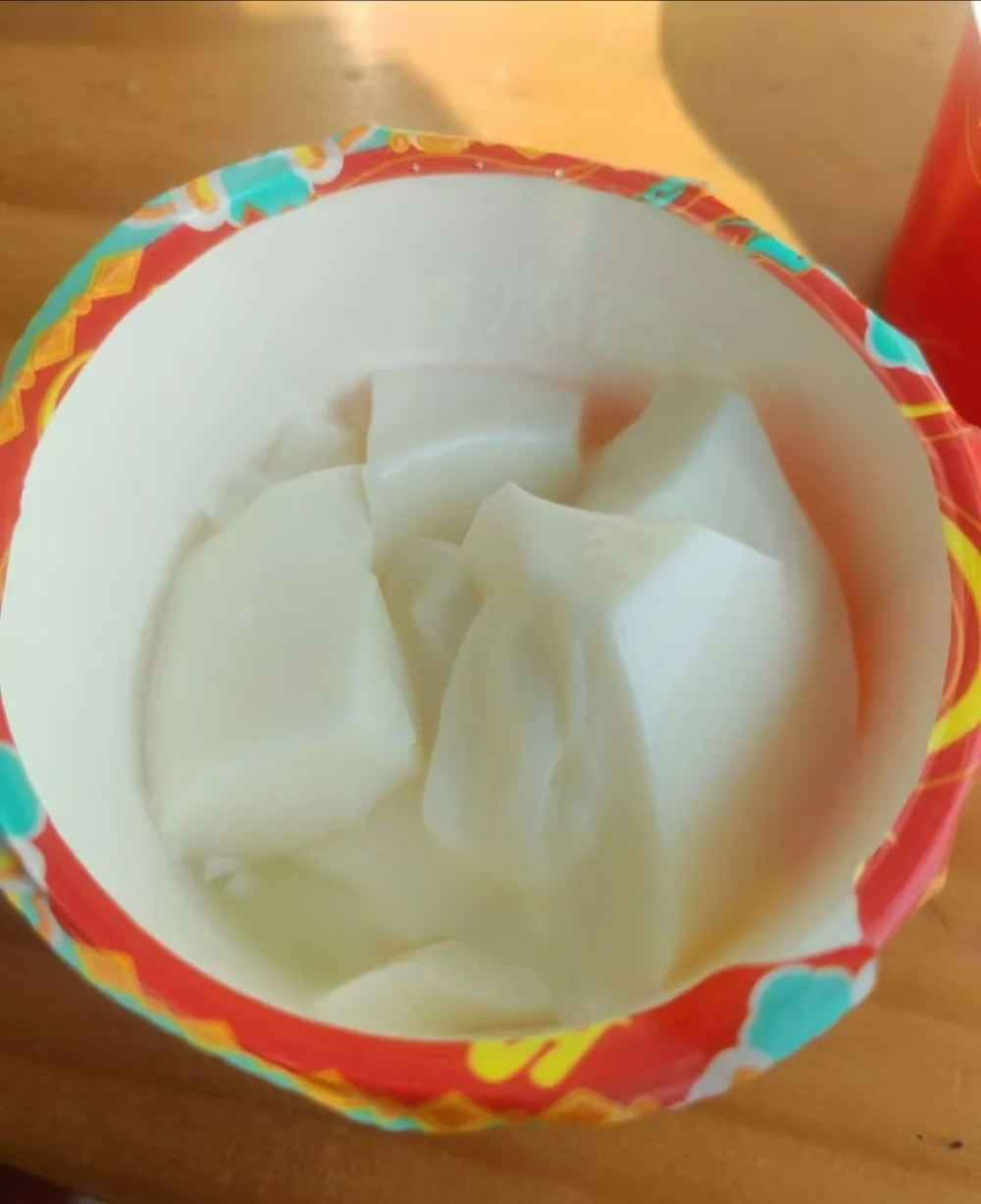
However, since the formula change happened recently, some staff are not yet fully familiar with the new preparation process, occasionally forgetting to add the fresh milk, which results in a milk custard that tastes weak and has a firmer texture. To address this, some employees suggest that if customers find their milk custard “lacking milk flavor” or tasting off, they should proactively ask the staff whether a key step — adding the fresh milk — was missed during preparation.
This formula adjustment of Mixue’s toppings also reflects a broader trend in the current tea drink market: increasing consumer attention to food additives, with more people preferring beverages with simpler ingredients and more natural flavors. Against this backdrop, in addition to upgrading the custard formula, Mixue is also gradually adjusting the recipes of other toppings, aiming for a healthier and more transparent direction, so that customers can enjoy their treats with greater peace of mind.
Overall, Mixue’s custard “color change” controversy is not just a simple matter of taste alteration, but involves the brand’s trade-offs between cost control, health considerations, and consumer experience. For consumers, understanding the actual differences behind these formulas can lead to more informed purchasing decisions or more constructive feedback to the brand.

The above content is compiled by CoffeeHunters, a coffee news website.


